90 practical guides
Drums & instruments
Build a playable setup, record it clearly, and practise with purpose.
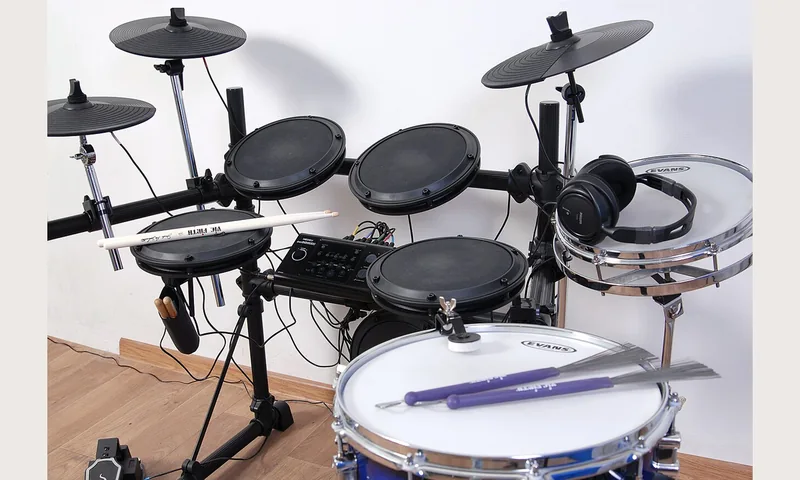
Set a drum trigger threshold without losing ghost notes
Separate quiet intentional hits from unwanted trigger noise.
Read the guide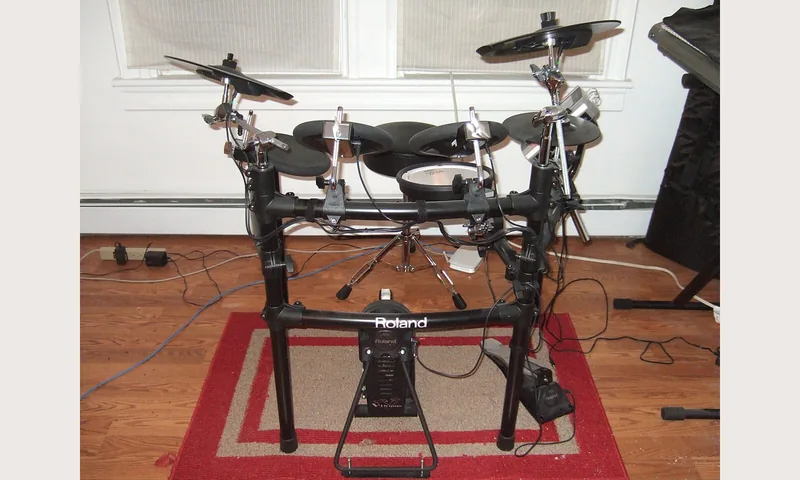
Test a suspect drum pad cable before replacing the pad
Use a controlled cable swap to locate intermittent trigger faults.
Read the guideKeep fast drum rolls when adjusting retrigger cancellation
Distinguish sensor after-vibration from deliberate repeated hits.
Read the guide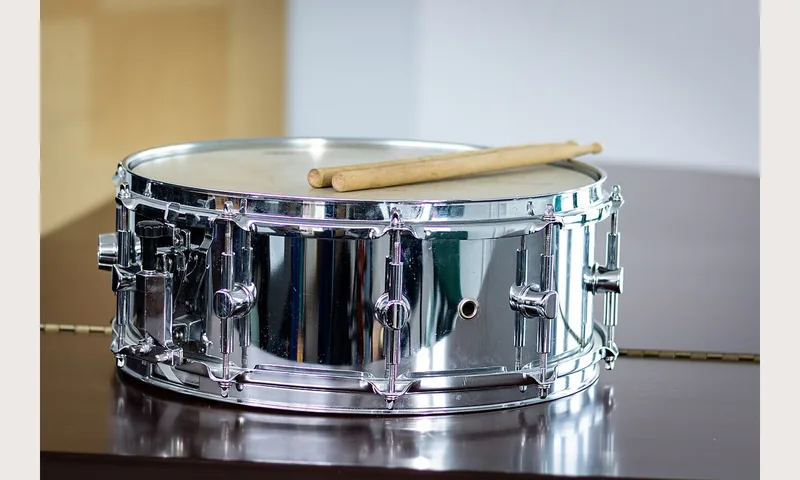
Check whether an electronic kit supports brush sweeps
Find the difference between brush impact sounds and continuous sweep sensing.
Read the guide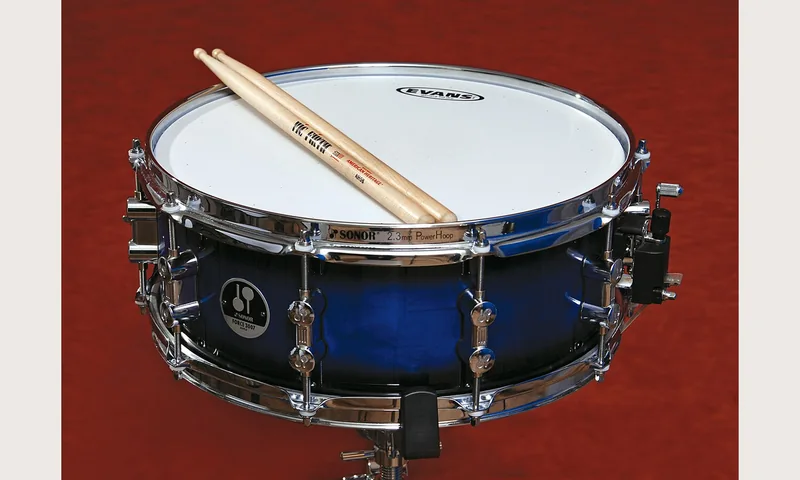
Configure electronic cross-stick sounds separately from rimshots
Check playing technique and zone assignments before editing velocities.
Read the guide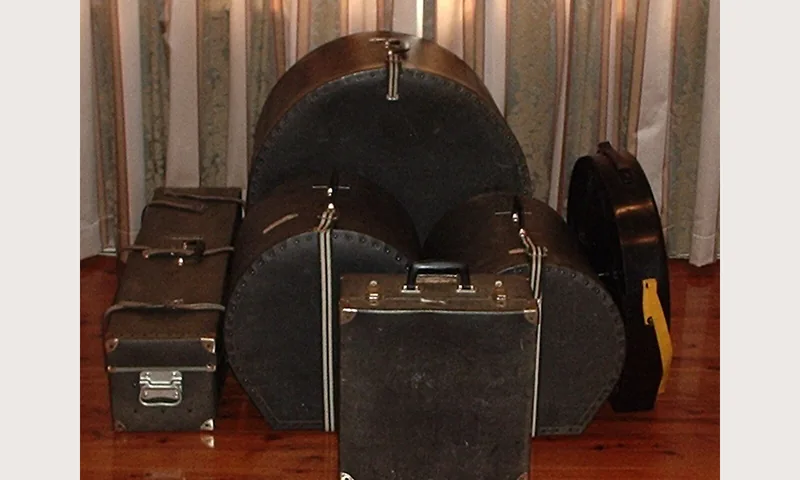
Share an electronic drum kit between left- and right-handed players
Make a reversible layout plan without straining trigger cables.
Read the guideChoose a replacement mesh head that fits the trigger pad
Check diameter, construction and approved tension before ordering.
Read the guide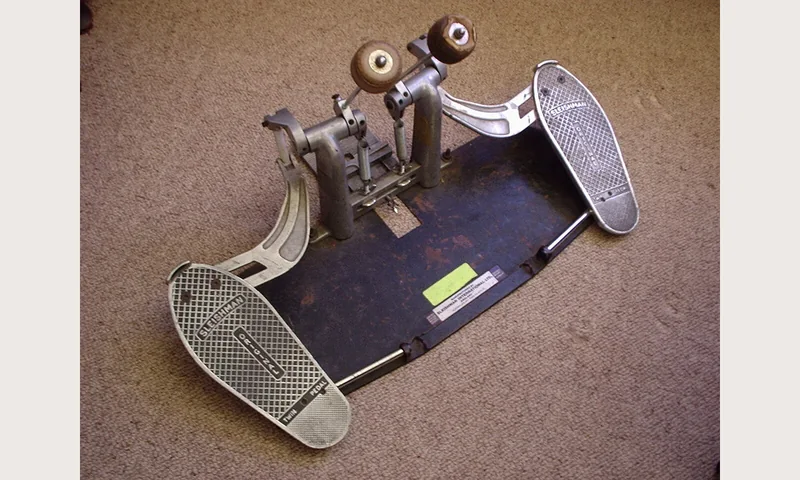
Protect a bass drum hoop from a pedal clamp
Fit the pedal securely without crushing or marking the hoop.
Read the guide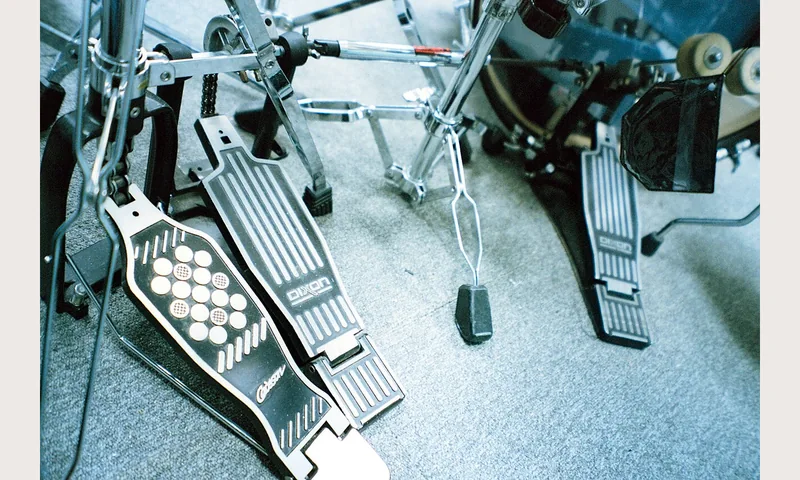
Inspect a bass drum pedal chain or strap
Locate wear and binding without changing the whole pedal setup.
Read the guideCheck electronic cymbal rotation before changing trigger settings
Stop a cymbal twisting its cable or moving the striking zone.
Read the guide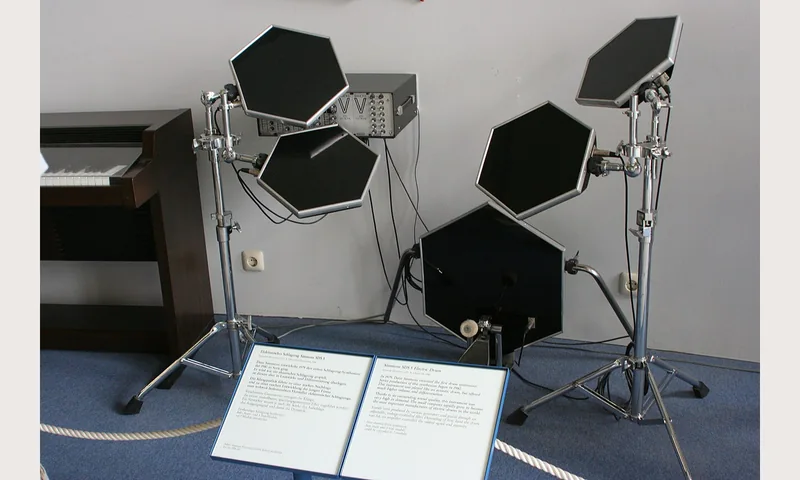
Separate a local drum module sound from its USB return
Avoid recording a backing track inside your drum-only audio take.
Read the guideRestore one electronic drum kit without a factory reset
Recover an edited sound while preserving other kits and trigger settings.
Read the guide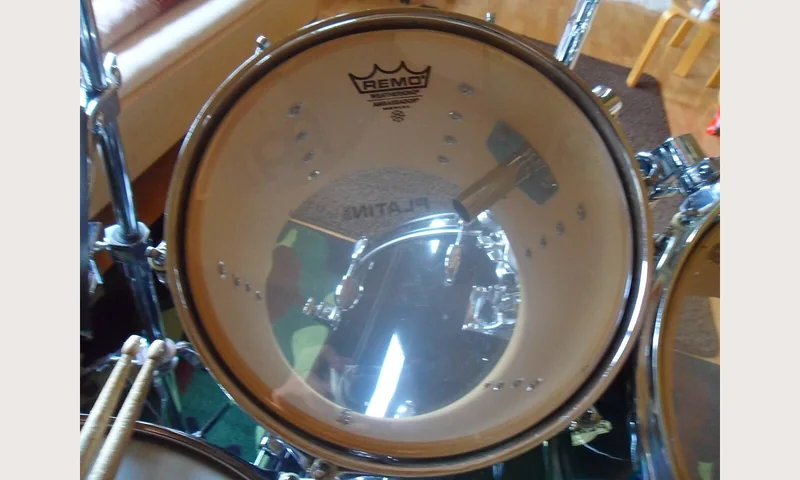
Replace a tom batter head without losing your starting sound
Keep a useful tuning reference while replacing a worn tom head and checking the parts underneath.
Read the guide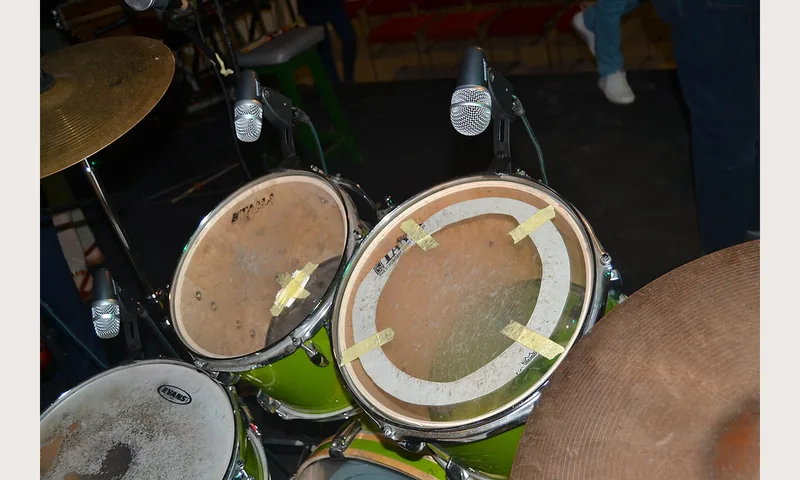
Separate the pitches of two rack toms
Give adjacent toms distinct voices without forcing either drum beyond its useful tuning range.
Read the guide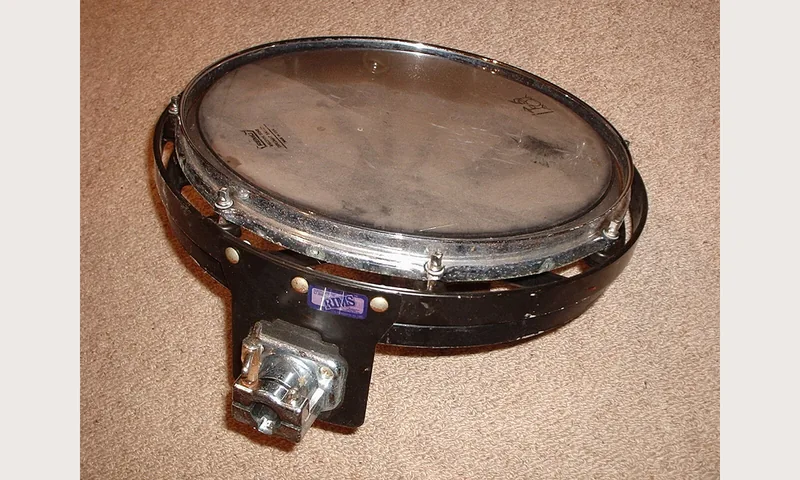
Recover a rack tom that loses sustain on its mount
Compare the drum on and off its support before changing heads to cure a choked rack tom.
Read the guide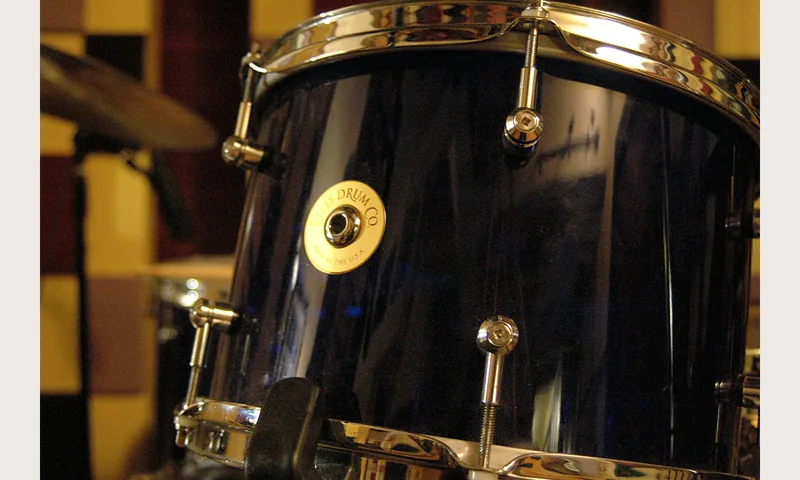
Find the source of a floor tom rattle
Isolate a mechanical rattle on a floor tom without mistaking normal drum overtones for loose hardware.
Read the guide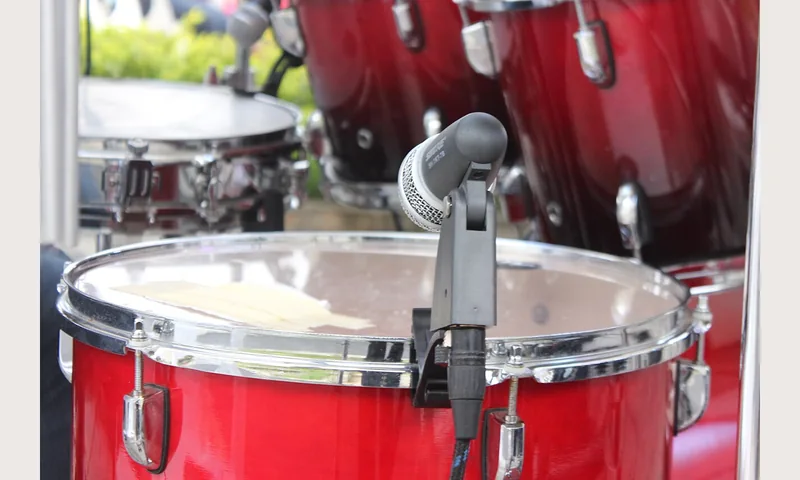
Choose coated or clear tom heads by the sound you need
Compare surface finish on the same tom while accounting for thickness, construction and tuning.
Read the guide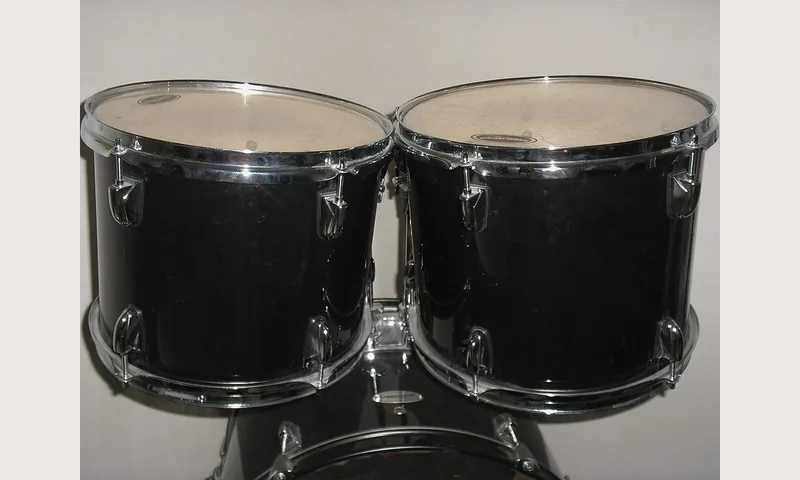
Decide between single-ply and double-ply drumheads
Match drumhead construction to response and durability needs rather than assuming thicker always means better.
Read the guide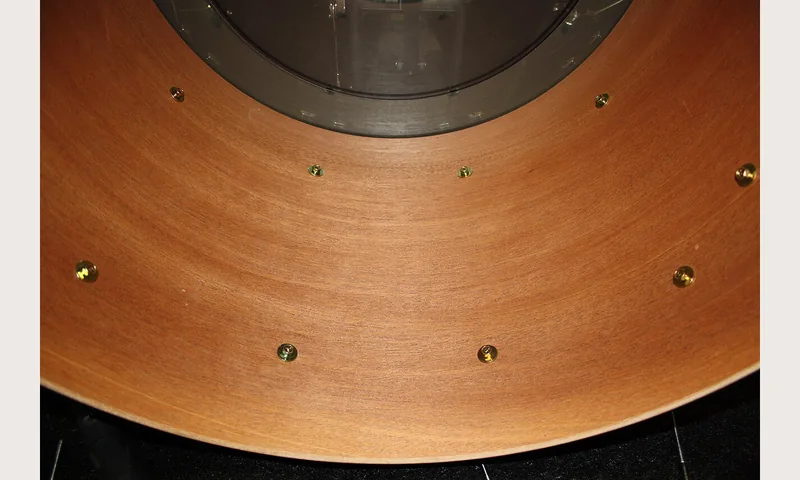
Inspect a used acoustic drum shell before buying
Use a calm visual and playing inspection to distinguish cosmetic wear from expensive structural trouble.
Read the guide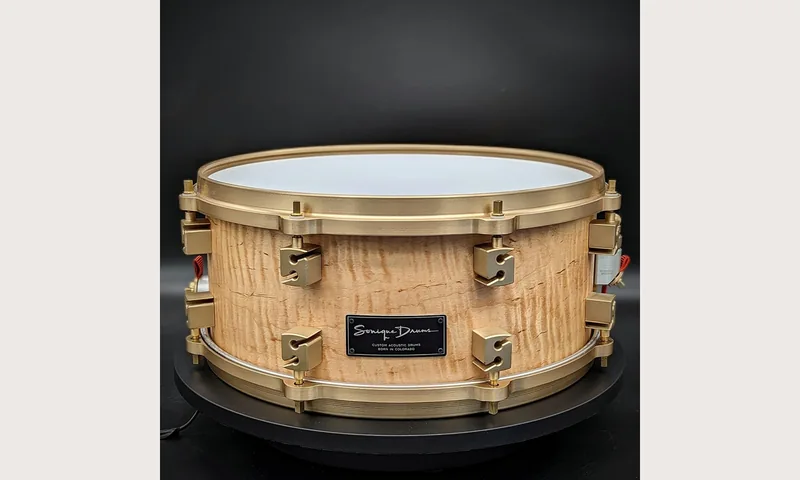
Tune a snare batter head evenly
Build a consistent snare batter tuning before adding wires, damping or extra tension.
Read the guide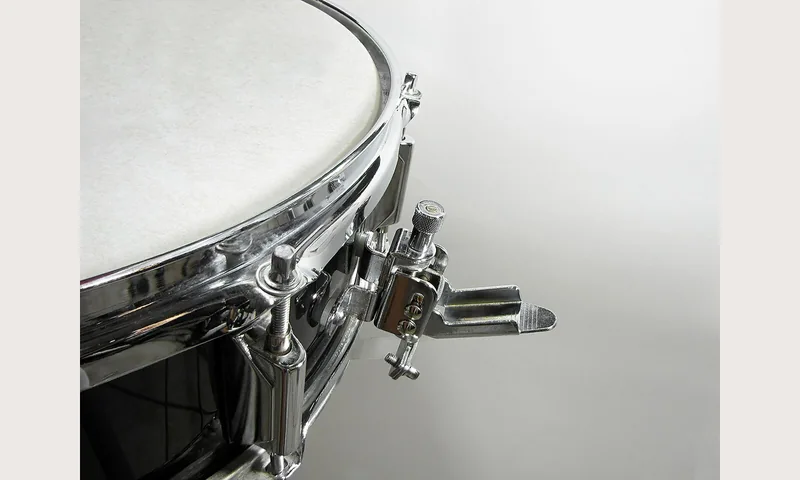
Balance snare wire tension for quiet and loud notes
Find the wire setting that responds to light strokes without shortening the drum excessively.
Read the guide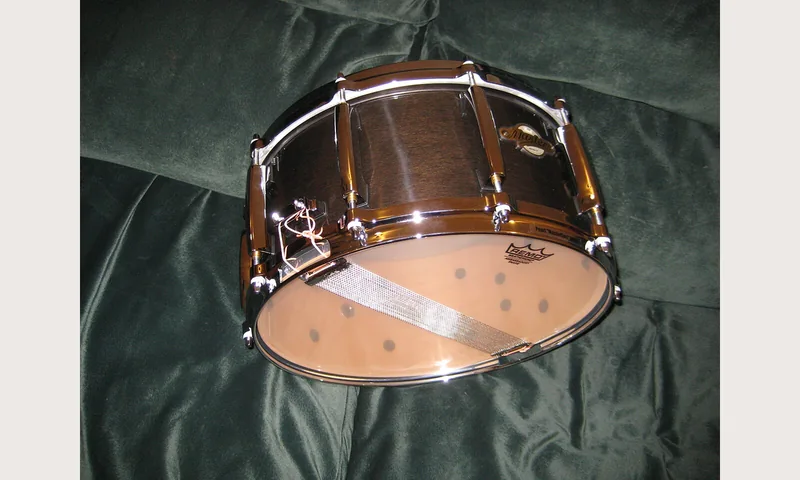
Centre a set of snare wires under the drum
Align replacement snare wires so both ends pull straight and the strainer has room to adjust.
Read the guide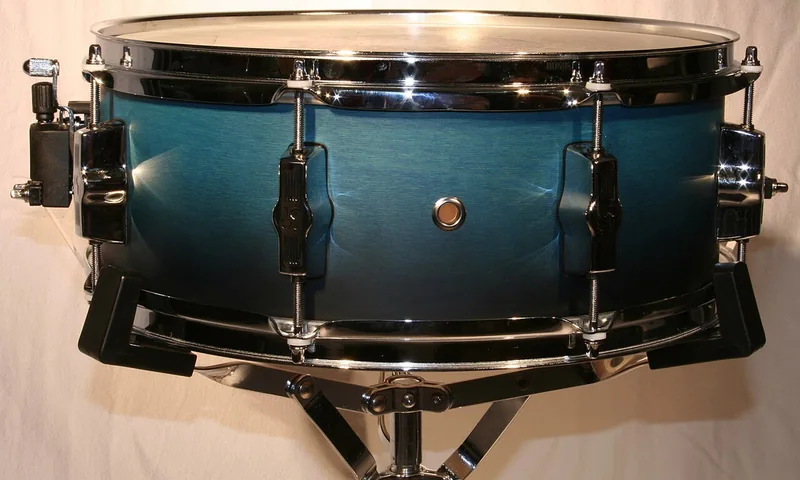
Replace a snare-side head without over-tensioning it
Handle the delicate lower head as a separate component from the snare batter.
Read the guideTrace excessive snare buzz from another drum
Identify the source of sympathetic wire buzz before tightening the snare out of its useful range.
Read the guideMuffle a snare with a reversible starting point
Shorten an unwanted ring while keeping enough response for the music.
Read the guideCheck a snare throw-off that will not hold its setting
Separate loose wire attachments from a slipping or damaged strainer mechanism.
Read the guide
Balance bass drum batter and resonant heads
Explore the relationship between the two bass drum heads before adding heavy damping.
Read the guide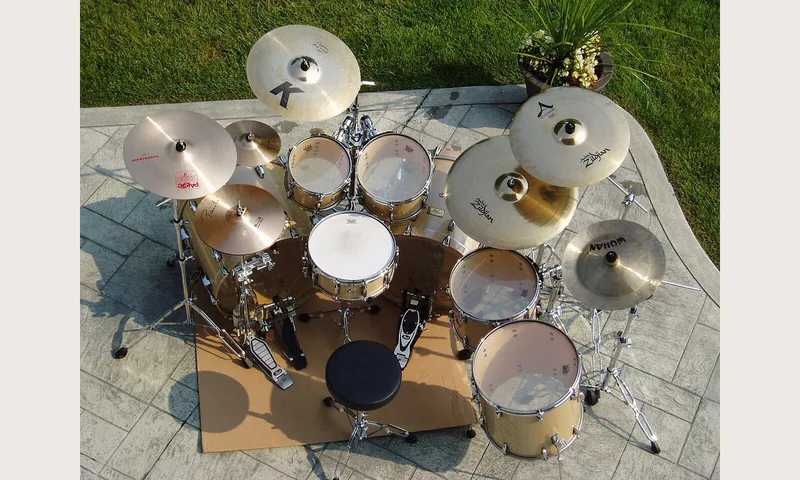
Position bass drum damping with light head contact
Use a stable, minimal amount of internal damping and compare where it touches.
Read the guide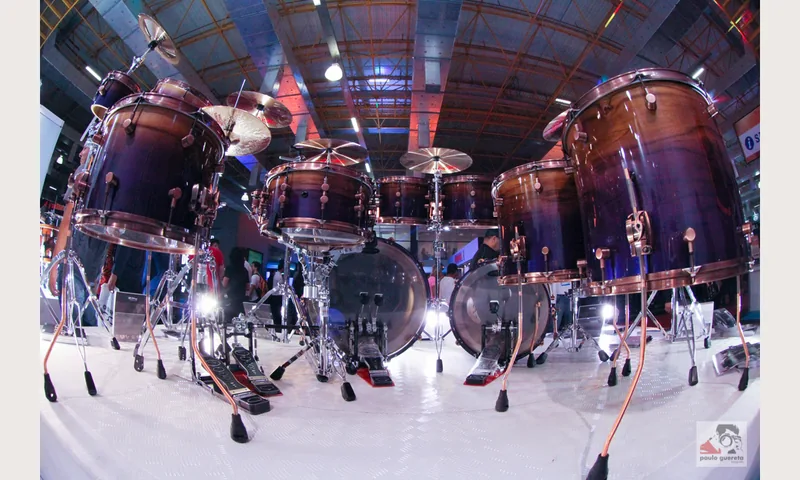
Decide whether a bass drum front head needs a port
Consider sound, playing feel and access before replacing or cutting a front head.
Read the guide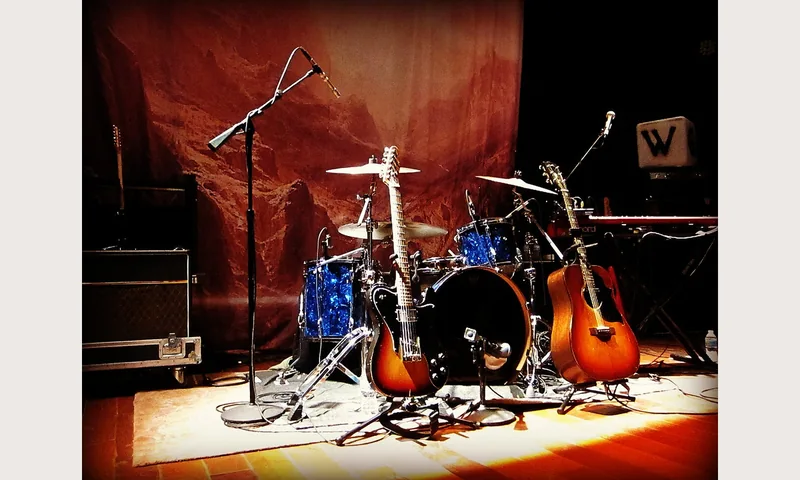
Set bass drum spurs for a stable playing position
Keep the bass drum stable using the spurs and a suitable floor surface.
Read the guide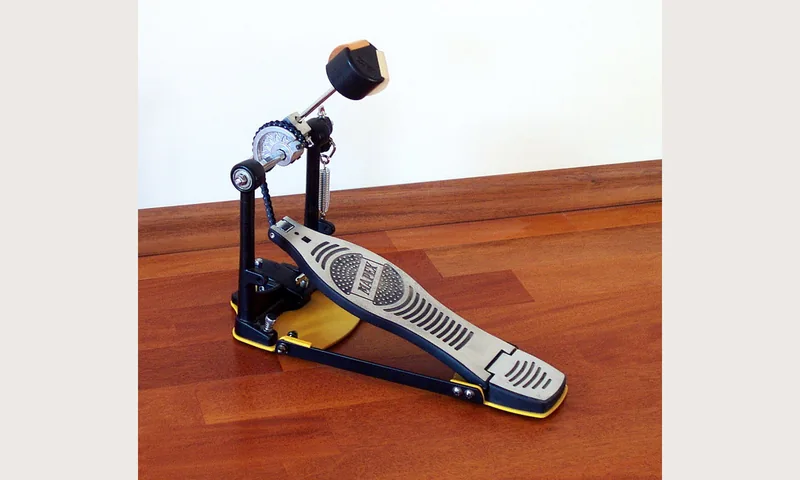
Align a bass drum pedal beater on the head
Position the pedal and beater so the stroke is clear, secure and comfortable.
Read the guideAdjust bass drum pedal spring tension by feel
Use a repeatable playing test to choose spring tension without chasing a universal setting.
Read the guideStop a bass drum pedal from creeping
Identify whether the pedal, bass drum or floor covering is moving before changing the setup.
Read the guide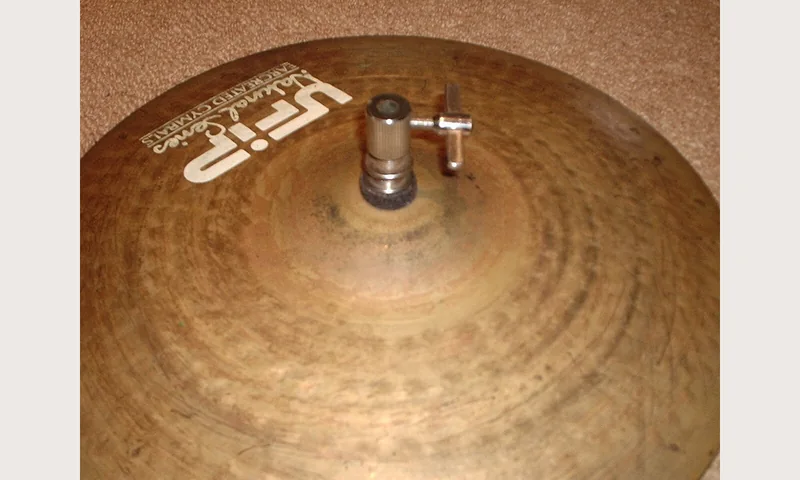
Install an acoustic hi-hat clutch securely
Attach the upper hi-hat cymbal with room to move and a secure connection to the pull rod.
Read the guide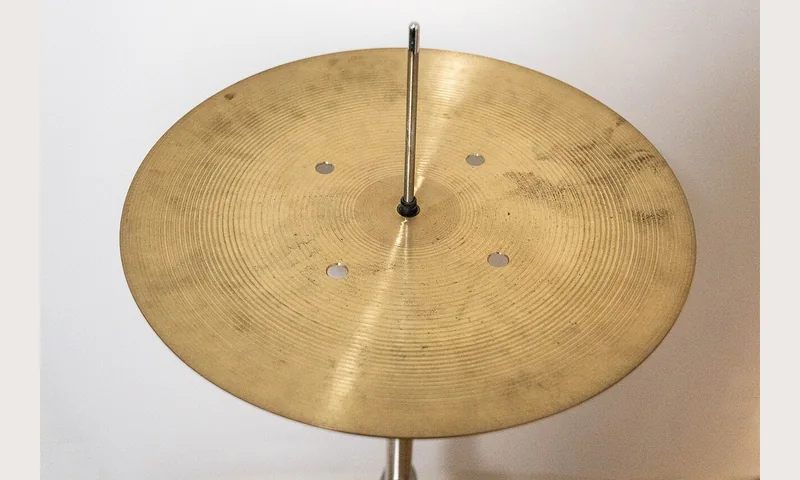
Use bottom hi-hat tilt to improve foot closure
Compare a small lower-cymbal tilt while preserving a stable seat and comfortable pedal action.
Read the guide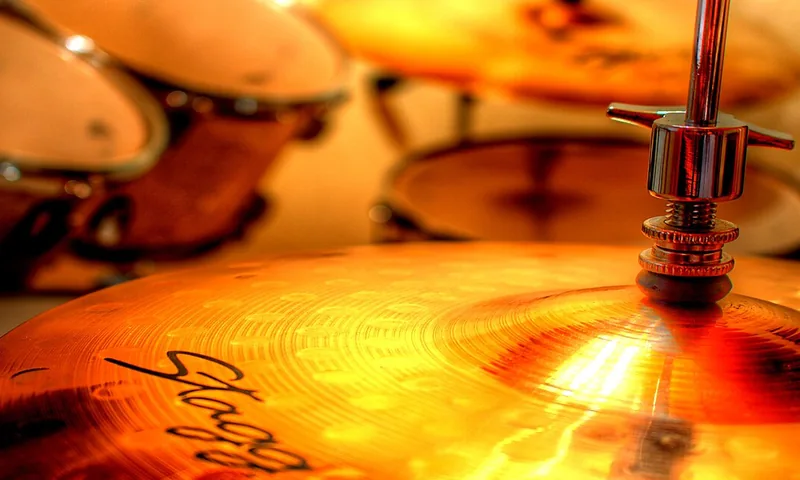
Set acoustic hi-hat height for relaxed stick access
Place the cymbals where you can play them without raising your shoulder or colliding with the snare hand.
Read the guide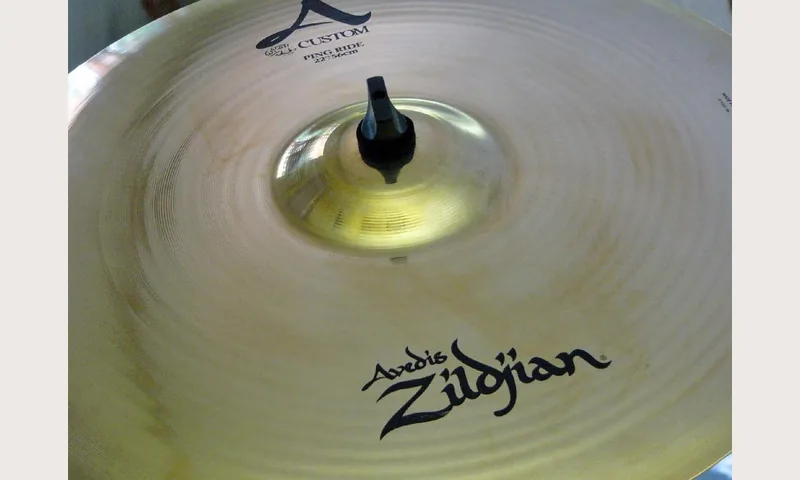
Protect cymbal holes with sleeves and suitable felts
Inspect the small contact parts that separate a cymbal from its stand hardware.
Read the guide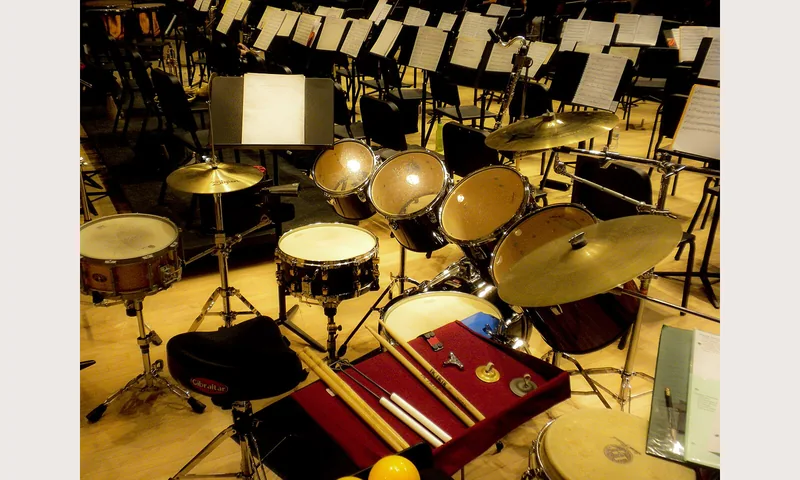
Stabilize a boom cymbal stand without excessive clamping
Improve stand balance before using greater clamp force.
Read the guide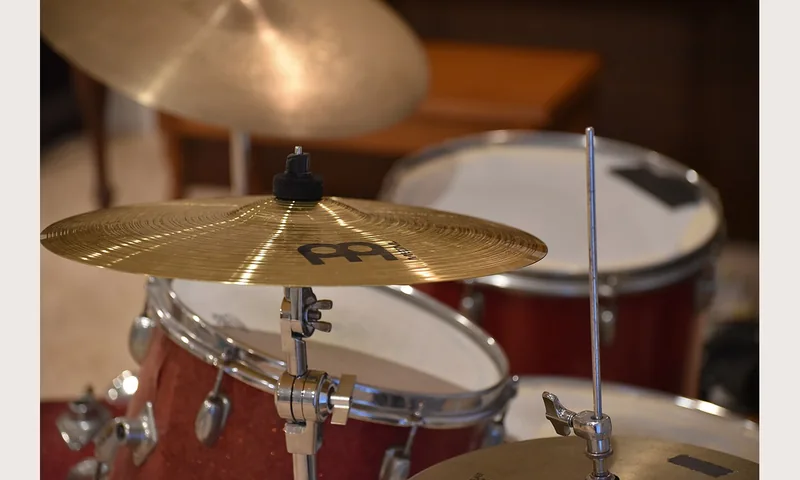
Choose a cymbal angle that supports a glancing stroke
Adjust the cymbal so ordinary strokes meet it comfortably and it can move freely.
Read the guide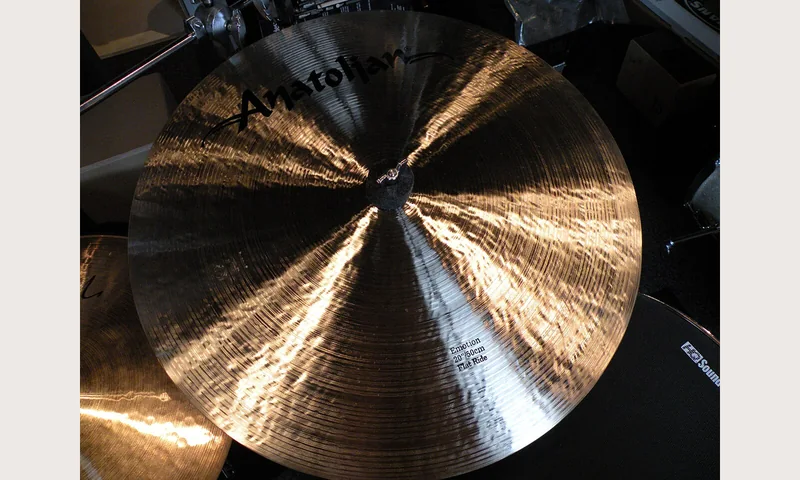
Clean cymbals according to their finish
Choose a cleaning method that suits the cymbal rather than using one polish on every surface.
Read the guide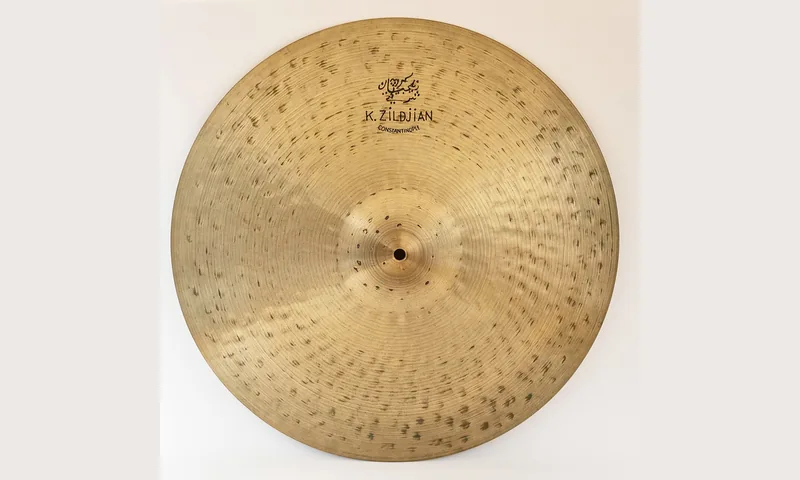
Inspect a used cymbal for cracks and hole wear
Use light, careful handling and a short playing test to inspect a second-hand cymbal.
Read the guideSet a drum throne for stable foot control
Use balance and pedal access to choose a practical starting seat position.
Read the guide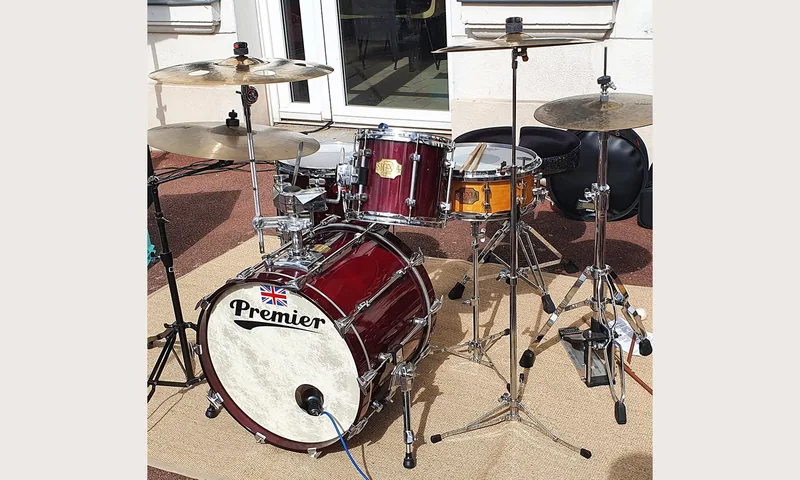
Arrange a compact acoustic kit without blocked movement
Bring the kit within reach while keeping pedals, sticks and cymbals free to move.
Read the guideTune a floor tom low without a papery flap
Find a clear lower voice without leaving the batter too slack to respond consistently.
Read the guide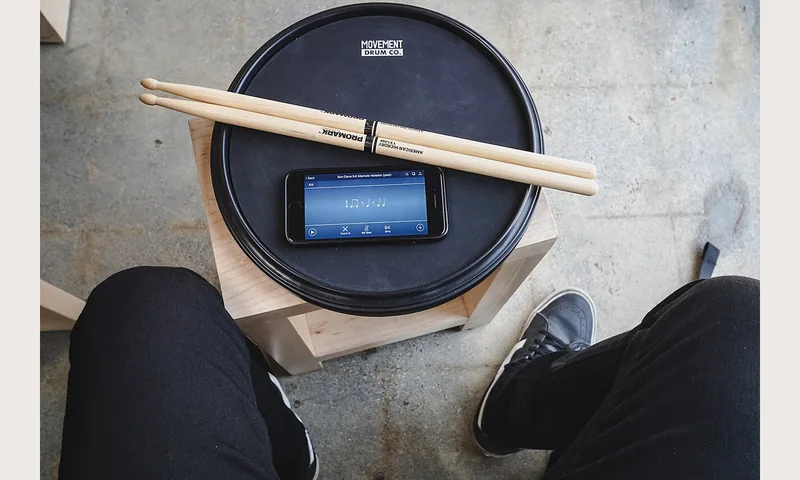
Inspect drumsticks for wear before they damage heads
Use a quick visual and tactile check to retire sticks that no longer strike cleanly.
Read the guidePack acoustic drums for changing temperatures
Protect shells and fittings during transport and allow a cautious return to room conditions.
Read the guide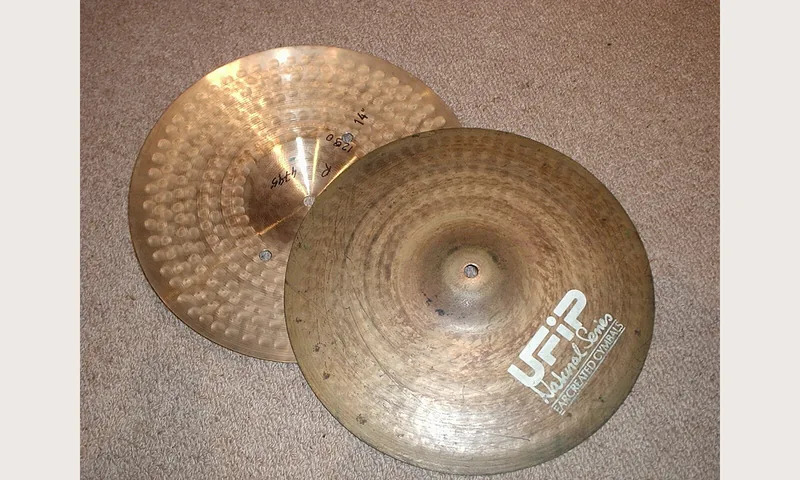
Store and transport cymbals without edge contact
Keep cymbals separated and protected from hard knocks while packing and storing them.
Read the guide
Move a single paradiddle around the drum kit
Turn the sticking RLRR LRLL into a musical idea while keeping the underlying notes intact.
Read the guide
Build a backbeat groove one limb at a time
Assemble a simple groove so each limb has a clear rhythmic job and a controlled level.
Read the guideAdd an offbeat bass drum without disturbing the hi-hat
Change one bass-drum position while the hand pattern and bar length remain stable.
Read the guide
Place ghost notes beneath a clear snare backbeat
Add quiet snare notes that give the groove motion while leaving the main backbeats clear.
Read the guideOpen and close the hi-hat on a chosen subdivision
Coordinate a short hi-hat opening with a definite closing point instead of leaving an uncontrolled wash.
Read the guide
Move a groove from hi-hat to ride without losing the pulse
Change the cymbal voice at a planned bar line while the kick and snare keep their established rhythm.
Read the guideLand the downbeat after a one-bar drum fill
Build a short fill around a reliable landing rather than a run of notes that happens to stop.
Read the guide
Make a two-beat fill fit the end of a bar
Keep the first half of the measure intact and enter the fill at a defined point.
Read the guide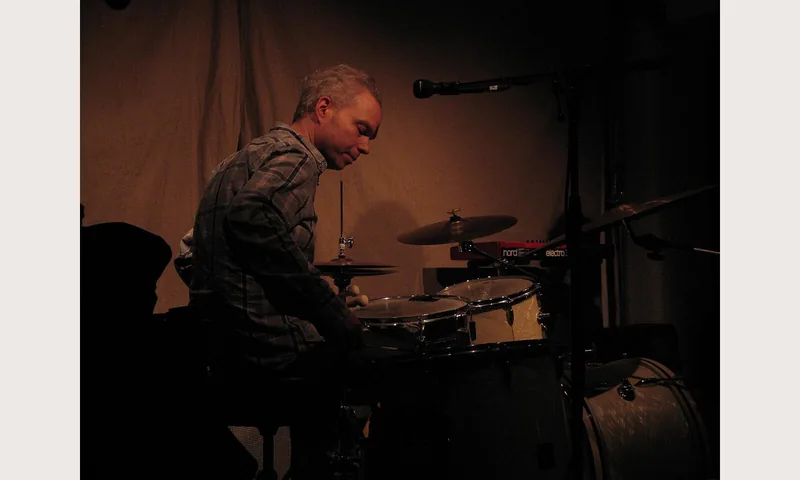
Use a one-beat fill without rushing the next bar
Place a compact fill in the last beat while keeping the next downbeat easy to reach.
Read the guideLeave a rest inside a drum fill and preserve its length
Use silence as part of a fill without shortening the bar or adding an unplanned recovery note.
Read the guideCarry three-note groups across a sixteenth-note grid
Keep a repeating three-note idea even while its accents move across four-note beats.
Read the guideCoordinate a crash and bass drum on the same downbeat
Make a section entrance sound decisive without a late cymbal or an extra bass-drum hit.
Read the guideMake two bass-drum notes clear inside a groove
Add a short bass-drum double while preserving the surrounding pulse and the second note.
Read the guideFind a repeatable cross-stick sound on the snare
Choose a comfortable stick position and repeat the same rim sound before placing it in a groove.
Read the guideBegin brush playing with a continuous snare sweep
Build an even brushing texture before adding taps or a more complicated pattern.
Read the guideBuild a three-four groove that keeps its three-beat shape
Keep a repeating three-beat bar clear while moving beyond a familiar four-beat groove.
Read the guideFeel six-eight as two groups of three
Organise six eighth-note positions into two larger pulses without losing the internal three-part spacing.
Read the guideCount a seven-eight groove as a fixed grouping
Use a small grouping pattern to keep seven eighth-note positions repeatable and audible.
Read the guideRe-enter after stop-time without guessing the gap
Keep the phrase moving internally while the drum part rests and return at the agreed position.
Read the guideMap electronic drum MIDI notes to a software kit
Make every pad trigger the intended instrument before you start recording.
Read the guide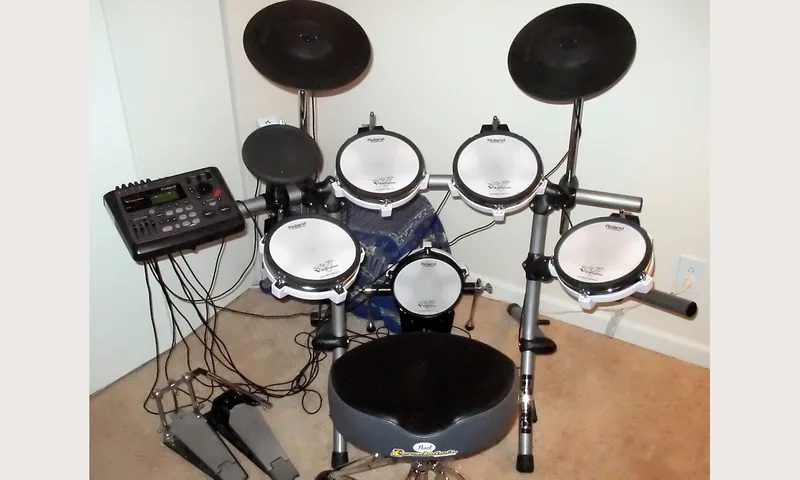
Match electronic drum velocity curves to a virtual instrument
Keep quiet strokes expressive and strong strokes useful when a module drives software.
Read the guidePrevent doubled drum sounds when using a virtual kit
Trace the duplicate signal instead of changing timing settings at random.
Read the guidePreserve hi-hat articulations in a MIDI recording
Record foot position as well as stick hits when the equipment supports it.
Read the guideKeep cymbal choke messages in recorded MIDI
Make a grabbed cymbal stop on playback as it did during the performance.
Read the guideBuild a clean electronic drum user kit
Create a focused starting kit that is easy to balance and recall.
Read the guideBalance pad volumes without changing trigger sensitivity
Fix an uneven kit mix while keeping a responsive playing feel.
Read the guideUse module ambience without washing out a groove
Add space while preserving the timing and definition of your playing.
Read the guideImport one-shot samples into a compatible drum module
Prepare a small, documented sample set before loading an entire library.
Read the guideBack up a drum module before changing its setup
Preserve kits, trigger settings and sample dependencies before a substantial change.
Read the guideDiagnose a drum pad that responds only to hard hits
Find whether quiet notes are lost at the pad, trigger input or sound stage.
Read the guideConnect electronic drums to a computer
USB MIDI and USB audio do different jobs. Check what your module actually sends before buying an interface.
Read the guideReduce electronic drum latency
Work through the complete monitoring path before changing trigger settings.
Read the guideFix double triggering on electronic drums
Isolate the pad, mounting and trigger settings before raising thresholds.
Read the guideStop one drum pad triggering another
Separate mechanical vibration from module crosstalk settings.
Read the guide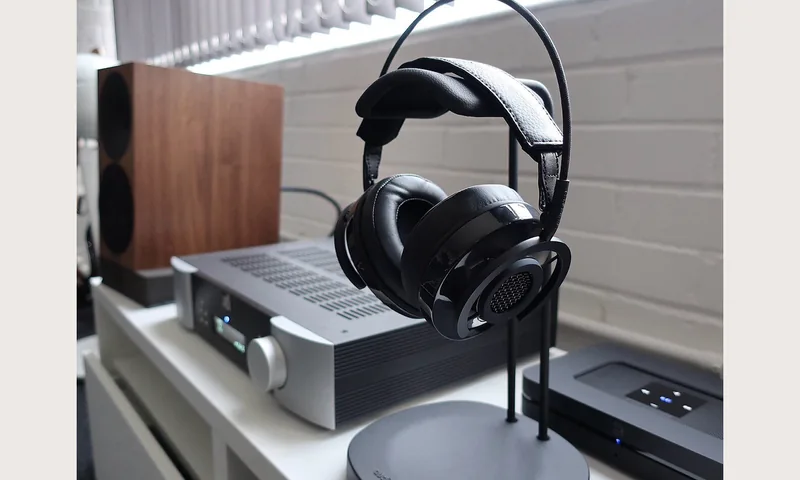
Choose headphones for electronic drums
Start with wired monitoring, comfortable fit and the module's output.
Read the guide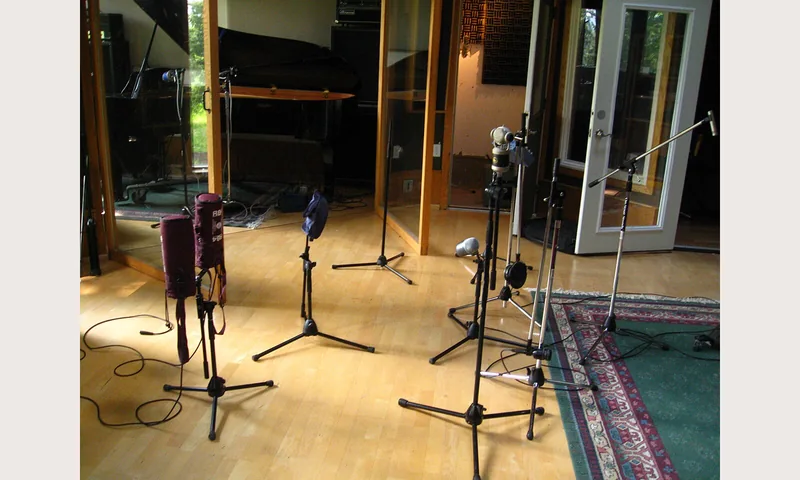
Record acoustic drums with one microphone
Find the balance in the room before reaching for processing.
Read the guide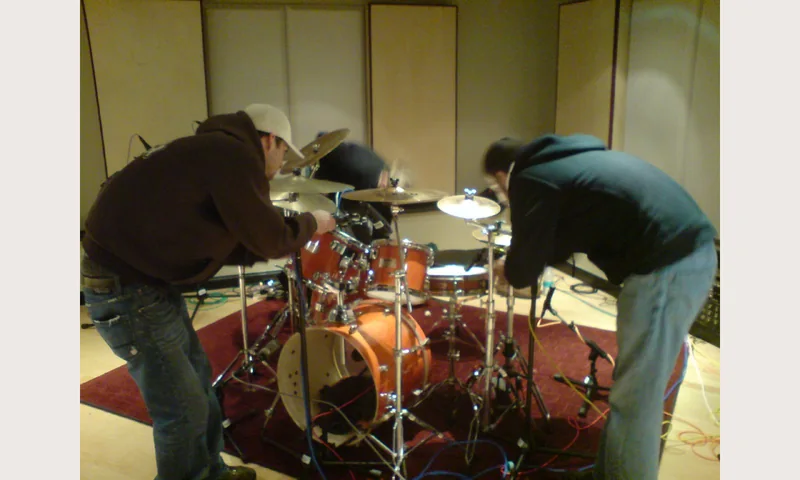
Check phase in a two-microphone drum recording
Compare the microphones together, not only in solo.
Read the guideSet an electronic hi-hat pedal correctly
Calibrate the mechanism before adjusting the sound.
Read the guide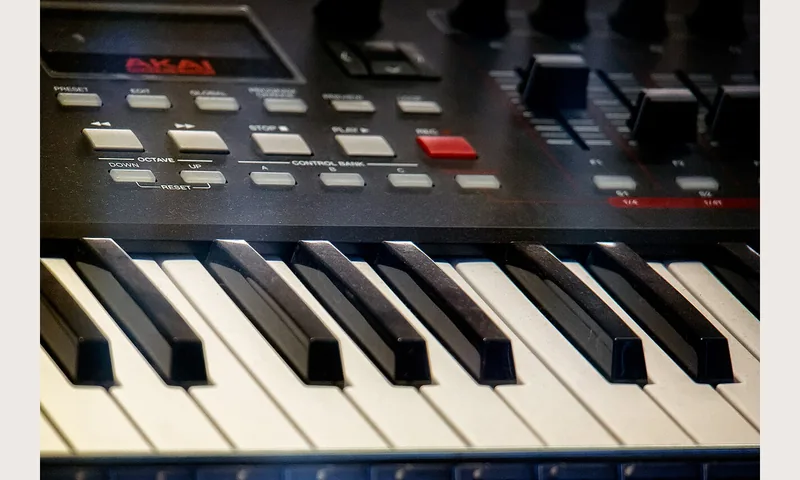
Choose a first MIDI keyboard
Count the keys you need for your actual task, then check controls and connections.
Read the guide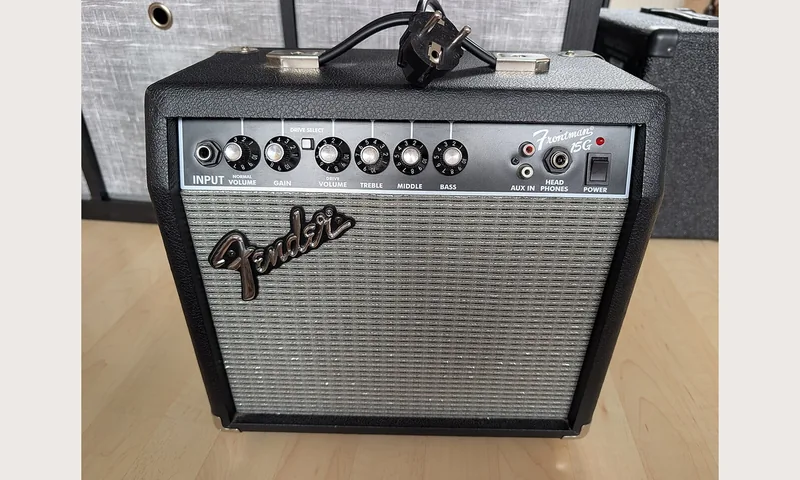
Record a guitar amplifier at home
Use speaker position and mic placement to shape the recorded tone first.
Read the guide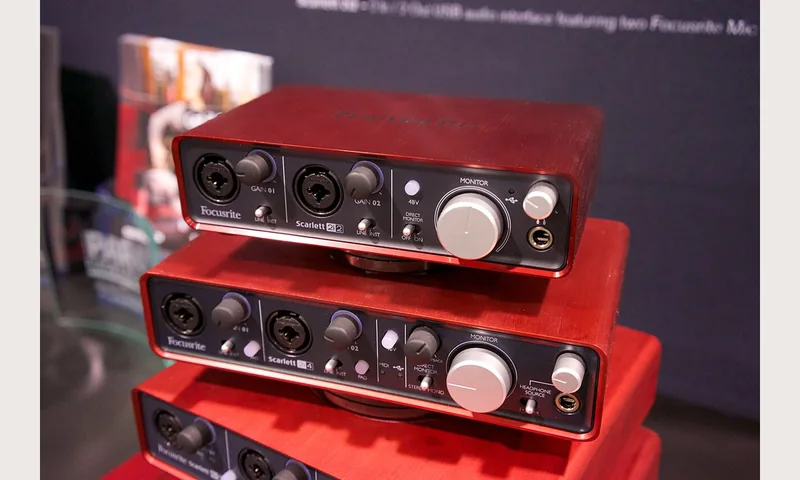
Choose a direct input for guitar or bass
Match the instrument signal to an appropriate input.
Read the guide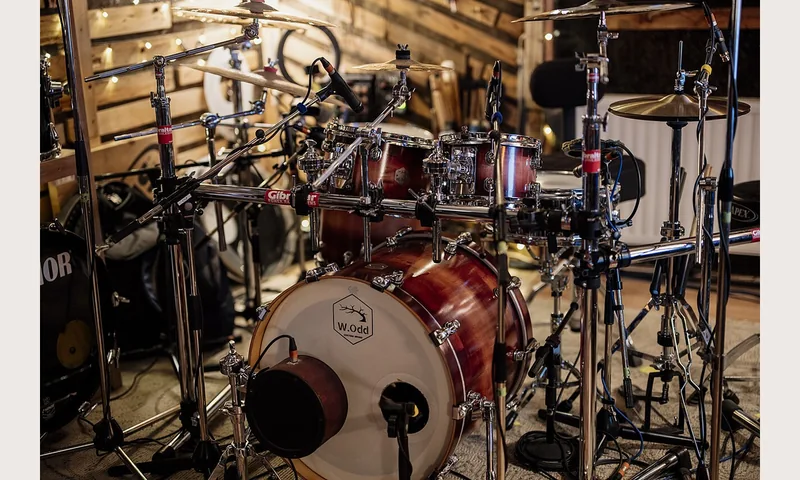
Build a drum practice recording setup
Capture the groove and the click in a way you can review.
Read the guideTransport an electronic drum kit safely
Document connections and protect sockets, mesh and moving parts.
Read the guide