Record a guitar amplifier at home
Use speaker position and mic placement to shape the recorded tone first.
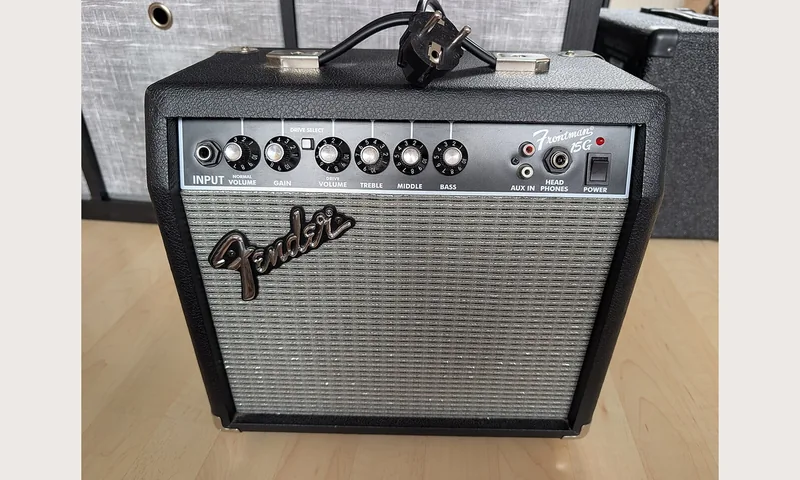
The short answer
The sound at your standing position differs from the sound close to the speaker. Record placement comparisons before deciding that the amplifier needs new gear.
What to do
- Keep the microphone outside the grille and away from heat. Start at a practical low amplifier level.
- Record the same phrase with the microphone aimed nearer the speaker centre, then nearer its edge. Change one variable at a time.
- Compare each take at matched playback level and mark the preferred stand position. Set input gain again if the loudness changes.
Change the sound at a controlled level
Start with a repeatable riff and a modest amplifier level. Record one microphone position, move it a small distance toward the speaker edge, and record again. Keep its distance from the grille consistent for that comparison. The tone at the microphone can be brighter than the tone at your ears across the room. Judge the recorded passage before turning the amplifier up to solve that difference.
Test with the arrangement playing
Listen with the bass, drums or backing track that will accompany the guitar. A solo tone with large bass and treble boosts may obscure other parts. Adjust amp tone or microphone position first, then recheck input gain. Label takes by placement instead of calling one better before listening. If the room contributes an unpleasant ring, try a closer safe position before adding a noise-reduction plug-in.
Do not improvise a silent-recording connection
A speaker output carries a different electrical signal from a line or headphone output. Never send it to an ordinary interface input. If using a load box or attenuator, verify the amplifier type, required load, impedance and power ratings in both manuals before connecting. Some amplifiers require a speaker or suitable load whenever operating. A manufacturer-approved line output is a separate case and still needs its documented connection.
Check the result
Listen for harshness, note definition and unwanted room reflections in the mix, not just in solo.
Know the limits
Never connect a powered speaker output to an ordinary interface input. Silent recording requires a correctly rated, compatible load or amplifier-supported solution.
Further reading
Sources for the connections and technical principles discussed above. The diagnostic sequences are our editorial explanation. Consult the manual for your exact model before changing hardware or settings.
These are general educational guides, not hands-on product reviews. How we prepare our content. Cover photo source & license.
Keep working on your setup
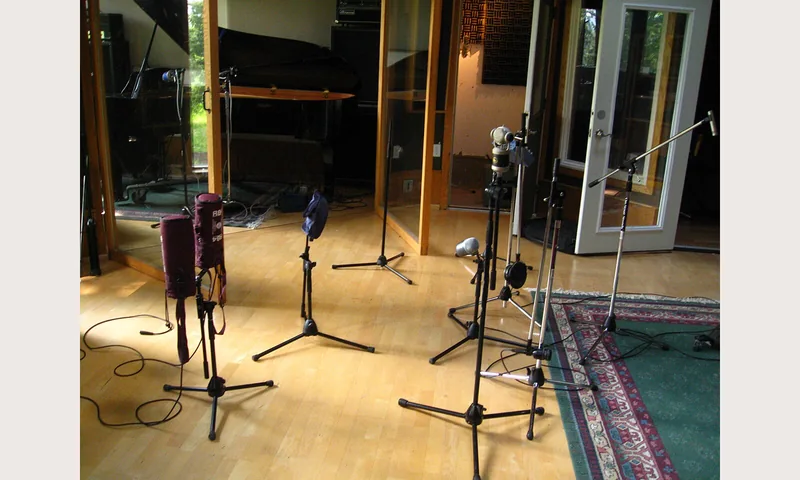
Record acoustic drums with one microphone
Find the balance in the room before reaching for processing.
Read the guide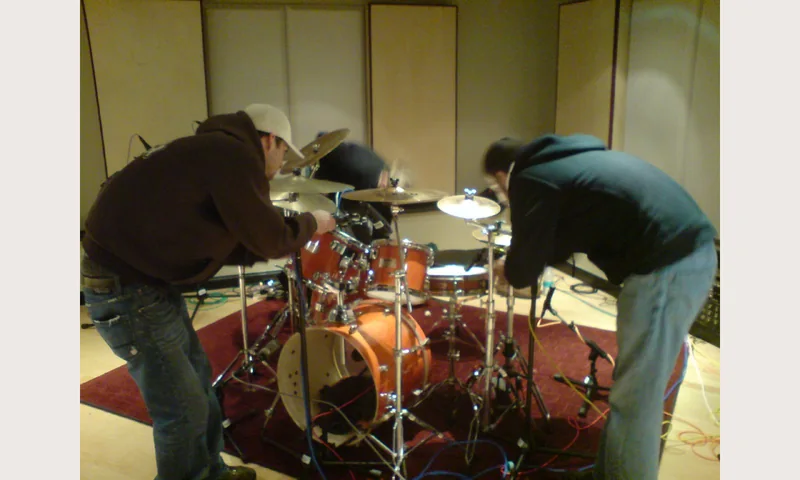
Check phase in a two-microphone drum recording
Compare the microphones together, not only in solo.
Read the guide
Record vocals in an untreated room
Reduce the unwanted room contribution at capture.
Read the guide