Choose coated or clear tom heads by the sound you need
Compare surface finish on the same tom while accounting for thickness, construction and tuning.
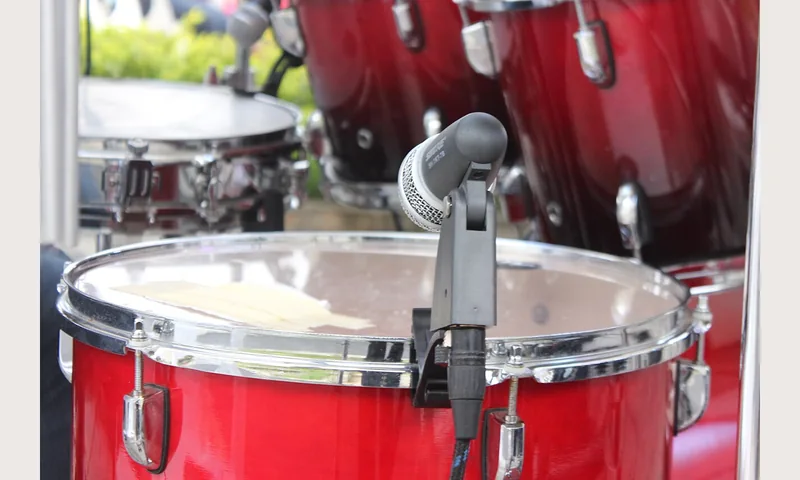
The short answer
Coated and clear are useful descriptions, but they do not tell you the entire sound of a drumhead. Thickness, ply count and built-in damping also matter. Compare heads with similar construction where possible, then judge the attack, decay and playing feel that suit your actual kit.
What to do
- Describe the change you want: softer attack, a more open note, less ringing, or a surface suitable for brushes. Separate those aims instead of treating darker or brighter as a complete specification.
- Choose two candidate heads of the correct size and similar basic construction. Record any damping ring, dot or other feature that would make a simple coating comparison unfair.
- Test one head on the same drum with the resonant head unchanged. Even the near-lug notes and bring the drum into a comfortable range before recording.
- Fit the other head and aim for a comparable playing pitch and decay. Use the same sticks, room position and short phrase for both recordings.
- Listen in a full-kit passage as well as to isolated hits. Keep the version that lets the tom contribute clearly without requiring excessive adjustment elsewhere.
Read the whole construction description
Two heads carrying the same surface description may use different films or control features. A dot can change the centre response, and a damping ring can shorten the tail. Note those details before attributing the result to coating. If you cannot compare closely matched designs, treat the test as a comparison of complete heads. That is still useful for choosing equipment, but it answers a narrower question.
Consider how the kit is played
A tom used mostly for brief fills may need an initial note that remains distinct beside cymbals. A player using mallets or extended melodic passages may value a different tail and feel. Test those techniques yourself at a sensible level. A head that sounds exciting when struck hard once can be less useful when the actual part contains delicate repeated notes.
Keep a practical decision record
Write down the candidate model, approximate tuning range and the phrase used. Describe what you heard before looking at the recording label if possible. You can also ask a listener to choose which version fits the same backing track. Their choice is not a universal verdict on clear or coated heads; it is another observation about this drum and musical task.
Check the result
The preferred head should serve the stated aim at quiet and ordinary dynamics. You should be able to explain the choice in terms of attack, response or decay, rather than relying only on the appearance of the surface.
Know the limits
A coating alone does not guarantee warmth, lower pitch or shorter sustain. Different product families can sound unlike each other for several reasons. Online demonstrations also include room, microphone, playing and processing differences.
Further reading
Sources for the connections and technical principles discussed above. The diagnostic sequences are our editorial explanation. Consult the manual for your exact model before changing hardware or settings.
These are general educational guides, not hands-on product reviews. How we prepare our content. Cover photo source & license.
Keep working on your setup
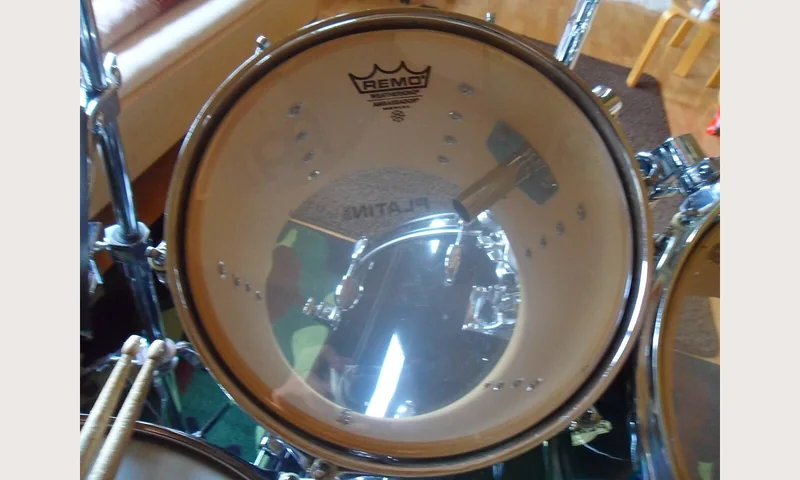
Replace a tom batter head without losing your starting sound
Keep a useful tuning reference while replacing a worn tom head and checking the parts underneath.
Read the guide
Choose headphones for electronic drums
Start with wired monitoring, comfortable fit and the module's output.
Read the guide
Choose a first MIDI keyboard
Count the keys you need for your actual task, then check controls and connections.
Read the guide