Add an offbeat bass drum without disturbing the hi-hat
Change one bass-drum position while the hand pattern and bar length remain stable.
The short answer
An offbeat kick can make a familiar groove feel new, but it should not pull the hi-hat or backbeat away from the pulse. Choose one offbeat at a time and name it clearly, such as the and of three. Establish its position through counting before repeating a complete groove.
What to do
- Play a simple groove with kick on one and three, snare on two and four, and eighth-note hi-hat. Record a short reference.
- Remove the kick on three and place it on the and of three instead. Say 3 and clearly while keeping the hi-hat unchanged.
- Alternate one bar of the reference groove and one bar with the moved kick. Keep the snare level and placement consistent.
- Practise a second version with a kick on three and an additional kick on its and. Compare the two ideas without treating them as the same pattern.
Distinguish moving from adding
A moved kick leaves silence where the old note was. An added kick increases the number of notes. Write the two versions on a simple count grid so the foot knows which task it is doing. If the original note keeps appearing from habit, practise the foot alone while saying all eight positions, then restore the hands. This is a coordination change rather than a demand for more foot speed.
Watch the ride hand for sympathetic accents
The hand can become louder or earlier whenever the foot plays an unfamiliar position. Listen to the hi-hat by itself in your recording if possible, or use a simpler sound arrangement. Aim for an unchanged hat pattern while the kick moves underneath it. Small variations can be intentional later; during the learning test, consistency makes the source of the problem easier to hear.
Test the backbeat after the offbeat
A kick on the and of three leaves a short gap before snare on four. Practise that pair slowly and include the hi-hat note between the surrounding beats. If the snare arrives late, reduce the number of repeated bars and focus on that transition. Finally return to a longer musical phrase and decide whether the new kick supports the bass line and vocal rhythm.
Check the result
The changed kick should land on the named offbeat while the hi-hat remains evenly spaced and beat four stays in place. You should be able to switch between moved and added versions on demand.
Know the limits
The exercise uses one clearly counted eighth-note offbeat. It does not prescribe a particular foot technique or require a stronger stroke. Stop and reset if repeated kicks create tension.
Further reading
Sources for the connections and technical principles discussed above. The diagnostic sequences are our editorial explanation. Consult the manual for your exact model before changing hardware or settings.
- Yamaha: Practice Exercises for the Beginning Drummer
- Yamaha: How to Get the Most Out of Your E-Drum Metronome
These are general educational guides, not hands-on product reviews. How we prepare our content. Cover photo source & license.
Keep working on your setup
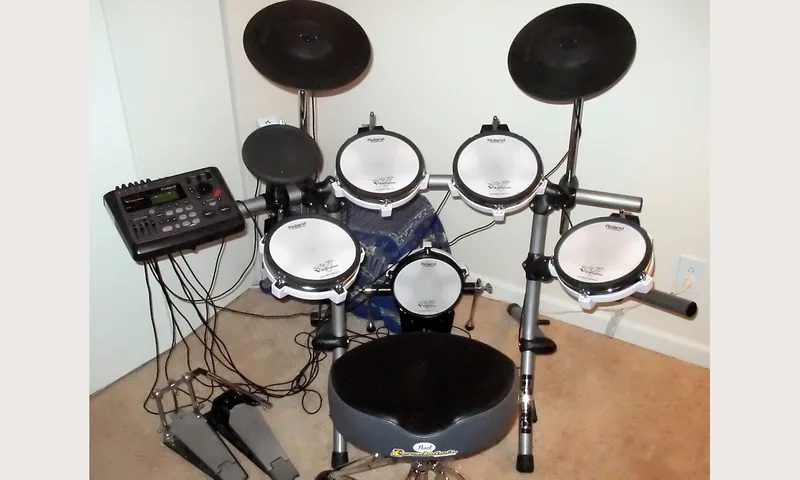
Set an electronic hi-hat pedal correctly
Calibrate the mechanism before adjusting the sound.
Read the guide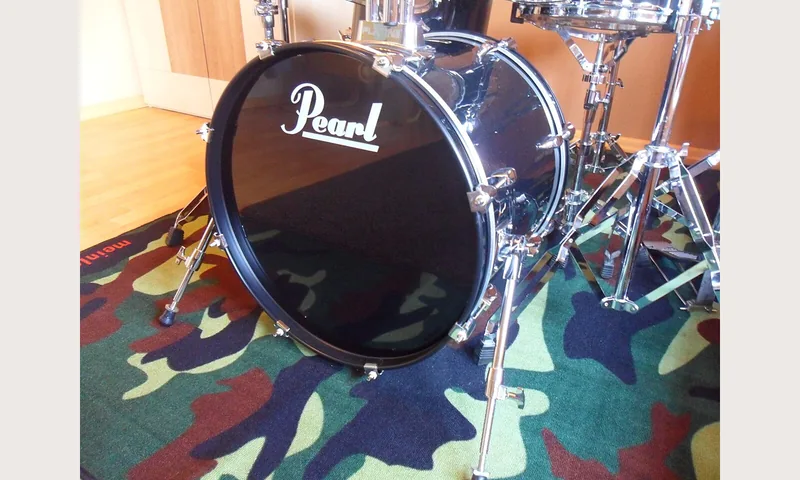
Balance bass drum batter and resonant heads
Explore the relationship between the two bass drum heads before adding heavy damping.
Read the guide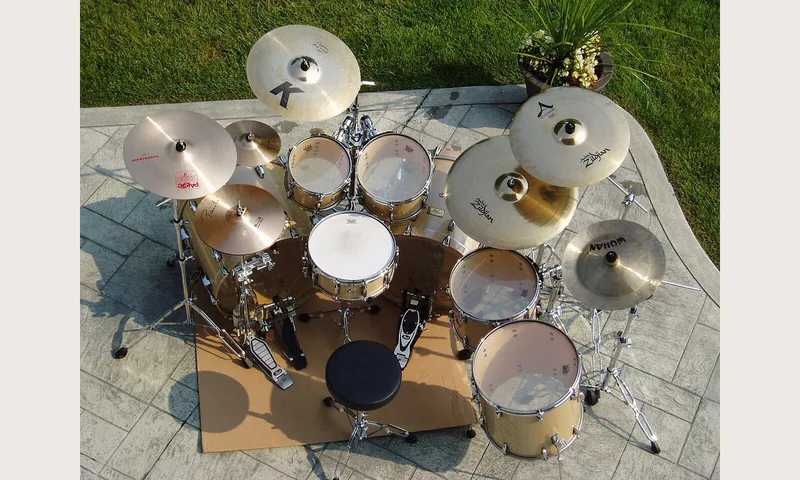
Position bass drum damping with light head contact
Use a stable, minimal amount of internal damping and compare where it touches.
Read the guide