Fix double triggering on electronic drums
Isolate the pad, mounting and trigger settings before raising thresholds.
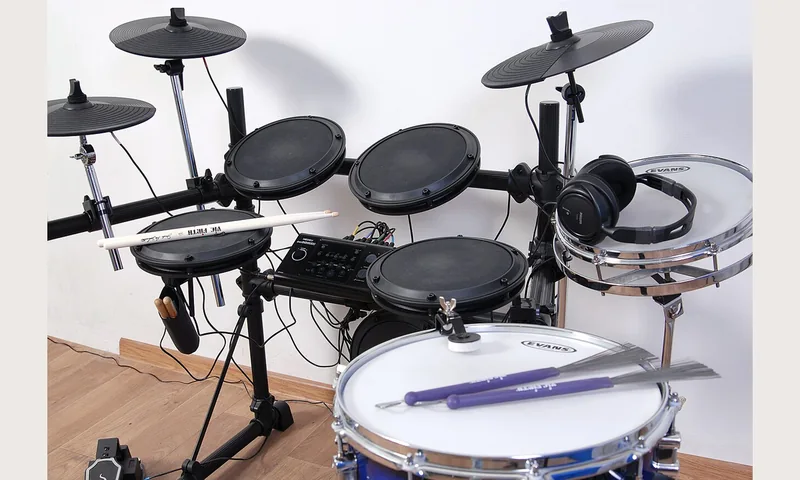
The short answer
Two notes from a single strike may be a physical rebound, a loose connection or a trigger interpretation problem. Aggressive suppression can also hide deliberate fast playing.
What to do
- Record slow single hits as MIDI and confirm that extra notes really exist rather than a sound effect in the patch.
- Check the correct pad type, cable seating and mounting. Follow the pad manual for head tension
- do not tighten blindly.
- Adjust the relevant retrigger or mask parameter in small increments, recording both single hits and a controlled roll after each change.
Prove that the extra hit is a trigger event
Use a dry kit sound without delay and record MIDI if possible. Play ten separated hits, then examine the note events. Two MIDI notes from one intended stroke point toward triggering; one MIDI note with an audible repeat points toward the sound or monitoring path. Also watch the stick: a light rebound that touches the head again is a real second strike, even if it was not intended.
Keep a usable adjustment range
Write down the pad type and original values before changing anything. Test the suspect pad with its usual cable and mounting, then with a known-compatible replacement cable if available. Raise retrigger cancellation or mask time only in the direction described by the module manual. After every adjustment, alternate isolated strokes with quiet doubles and a roll. A setting that silences false hits by deleting intended notes is not a successful repair.
Decide when to stop adjusting
Repeat the test at the centre and edge and at several playing strengths. If the fault follows the pad to another supported input, inspect the pad and its cable; if it stays on one input, review that input configuration. Do not open the pad or module as part of this test. Save a working setup separately so a later kit preset or reset does not erase your reference.
Check the result
The setting passes only when single hits stay single and intended doubles remain audible. Save the previous value before each change.
Know the limits
A higher threshold may remove quiet notes rather than solve the cause. Names and useful ranges differ between modules; do not copy another model's values.
Further reading
Sources for the connections and technical principles discussed above. The diagnostic sequences are our editorial explanation. Consult the manual for your exact model before changing hardware or settings.
- Roland TD-27 reference manual: connections, settings and care
- Roland: troubleshooting double triggering
These are general educational guides, not hands-on product reviews. How we prepare our content. Cover photo source & license.
Keep working on your setup
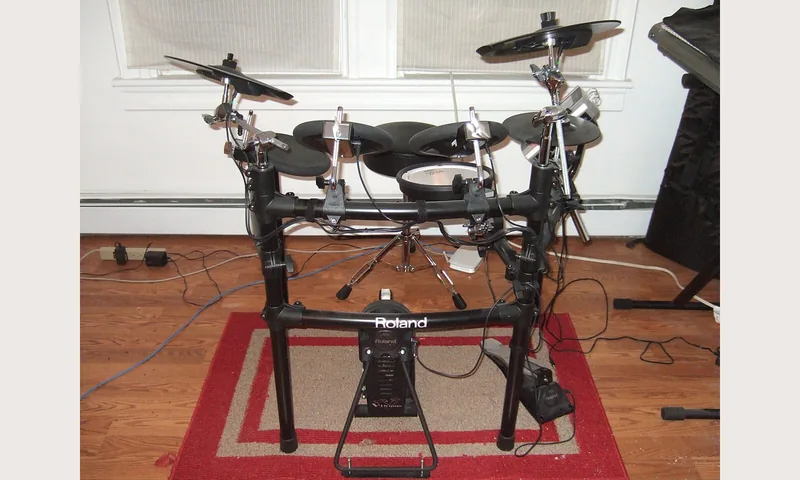
Stop one drum pad triggering another
Separate mechanical vibration from module crosstalk settings.
Read the guide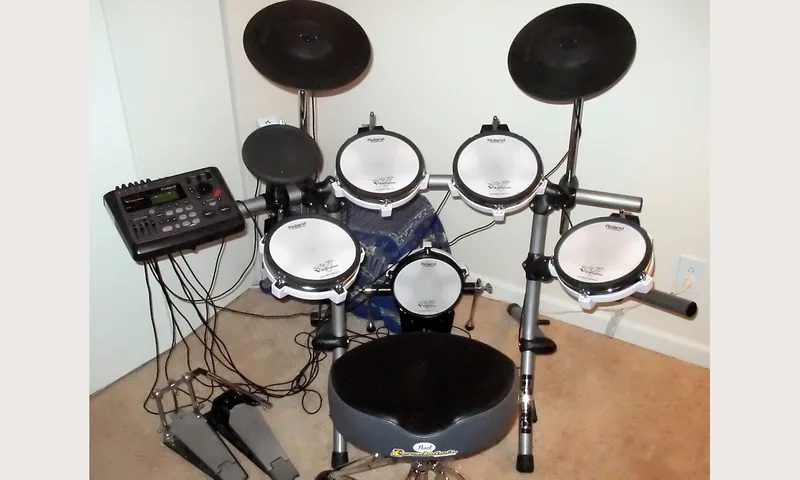
Set an electronic hi-hat pedal correctly
Calibrate the mechanism before adjusting the sound.
Read the guide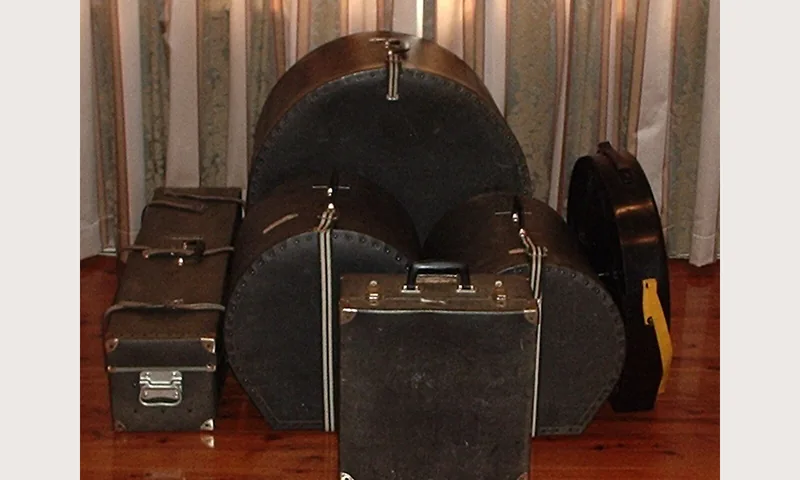
Transport an electronic drum kit safely
Document connections and protect sockets, mesh and moving parts.
Read the guide