Move a groove from hi-hat to ride without losing the pulse
Change the cymbal voice at a planned bar line while the kick and snare keep their established rhythm.
The short answer
Moving the ride hand changes reach, rebound and sound, so even an unchanged rhythm can feel unfamiliar. Establish a comfortable ride position, practise the hand route without the full groove, then make the transition at a clear place in the form.
What to do
- Play eighth notes on the hi-hat for two bars, then on the ride for two bars. Keep the same count and moderate stroke level.
- Add a simple backbeat while leaving the bass drum out. Notice whether reaching the ride pulls the snare hand out of position.
- Add the original bass-drum pattern and change surfaces every four bars. Prepare the hand route before the bar line.
- Record the transition in both directions. Compare the last hi-hat note with the first ride note and listen for a gap or overlap.
Check the physical route first
Place the ride where it can be reached without leaning or lifting the shoulder excessively. The exact position depends on the kit and player, but a routine eighth-note pattern should not require a repeated body lunge. Rehearse the hand movement at low speed before adding the other limbs. If the rim of another cymbal blocks the path, solve that physical interference rather than adapting every stroke around it.
Expect a different balance
A ride can sound fuller or more sustained than a closed hi-hat at similar effort. Start softly and judge the blend with kick and snare. Do not assume equal stick height guarantees equal perceived level. Listen to the musical role: a verse-to-chorus change may call for more energy, while an exercise in steady texture may call for a matched balance. Define the intention before comparing takes.
Make the change serve the form
Count a four-bar phrase and announce the new surface internally before the transition. At first leave out fills, crashes and other changes so the hand movement is the only new event. Then add a short fill if the arrangement needs one. Keep a version that works without the fill; it provides a useful baseline when a more elaborate transition starts losing time.
Check the result
The first ride note should arrive at the same subdivision as the hi-hat note it replaces. Kick and snare should continue smoothly, and returning to the hi-hat should feel equally deliberate.
Know the limits
A ride is not required to be louder than a hi-hat. Cymbal choice, placement and the room affect balance. Avoid reaching through an unstable stand arrangement merely to copy a visual setup.
Further reading
Sources for the connections and technical principles discussed above. The diagnostic sequences are our editorial explanation. Consult the manual for your exact model before changing hardware or settings.
These are general educational guides, not hands-on product reviews. How we prepare our content. Cover photo source & license.
Keep working on your setup
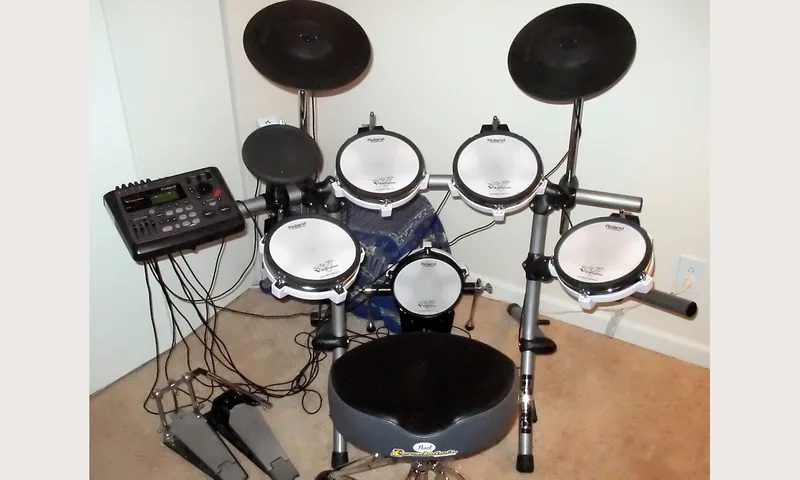
Set an electronic hi-hat pedal correctly
Calibrate the mechanism before adjusting the sound.
Read the guide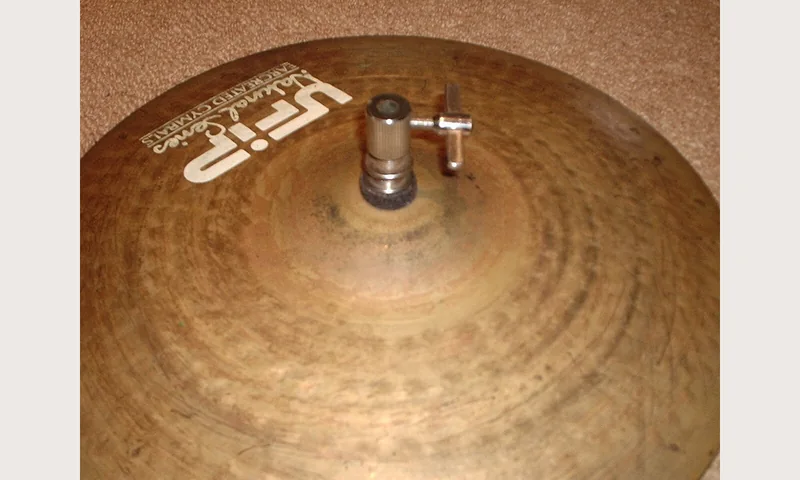
Install an acoustic hi-hat clutch securely
Attach the upper hi-hat cymbal with room to move and a secure connection to the pull rod.
Read the guide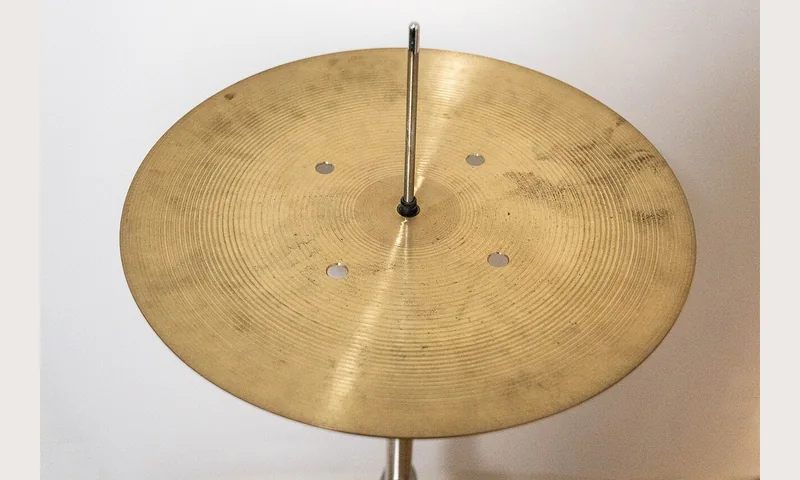
Use bottom hi-hat tilt to improve foot closure
Compare a small lower-cymbal tilt while preserving a stable seat and comfortable pedal action.
Read the guide