Choose a cymbal angle that supports a glancing stroke
Adjust the cymbal so ordinary strokes meet it comfortably and it can move freely.
The short answer
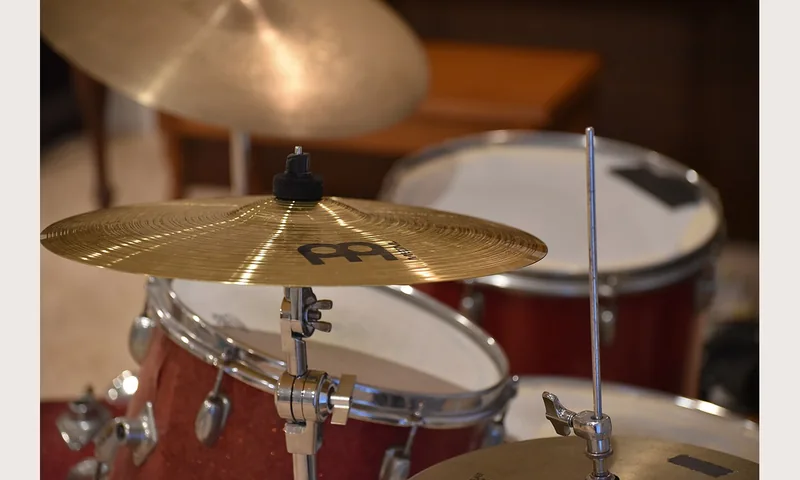
Cymbal angle should support the stroke you intend to use and the position of your arm. Set the instrument within comfortable reach, leave room for movement and test a glancing stroke. The right tilt depends on height, cymbal type and playing approach.
What to do
- Set a stable stand position and inspect the sleeve and felts before changing the angle.
- Support the cymbal while adjusting the tilter. Make a small change and secure the joint.
- Play light strokes in the normal playing area and check that you do not need to reach or raise the shoulder awkwardly.
- Test accents at a controlled level, allowing the stick to move across the surface rather than driving straight into a trapped edge.
- Check that the cymbal cannot collide with another instrument throughout its normal swing.
Think about height and tilt together
A high cymbal may need a different angle from one near the snare. Change only one variable first, then reassess the other if your stroke still feels forced. A photograph from the side can reveal an awkward reach that is less obvious from the stool. Keep the choice tied to comfortable access rather than a particular visual style.
Leave room for the response
A crash cymbal can swing far enough to hit a nearby microphone, tom rim or second cymbal. Check this with gentle hand movement before louder playing. If clearance is limited, moving the stand a small distance may be safer than restricting the cymbal with a tight wing nut. Preserve the movement intended by the mounting design.
Inspect the result
After playing, look for new stick contact on the rim of a neighbouring drum or marks from hardware. Listen for a collision sound distinct from the cymbal itself. Correct the layout before repeating the same pattern more forcefully. A comfortable angle should work as part of the complete kit rather than only in an isolated setup test.
Check the result
You should reach the intended surface comfortably, the cymbal should move freely, and the stand should hold its angle after a short passage.
Know the limits
No single tilt prevents all cymbal damage. Excessive force, edge collisions, rigid mounting and existing flaws also matter. Stop using an instrument with a sharp or unstable damaged edge.
Further reading
Sources for the connections and technical principles discussed above. The diagnostic sequences are our editorial explanation. Consult the manual for your exact model before changing hardware or settings.
These are general educational guides, not hands-on product reviews. How we prepare our content. Cover photo source & license.
Keep working on your setup
Choose headphones for electronic drums
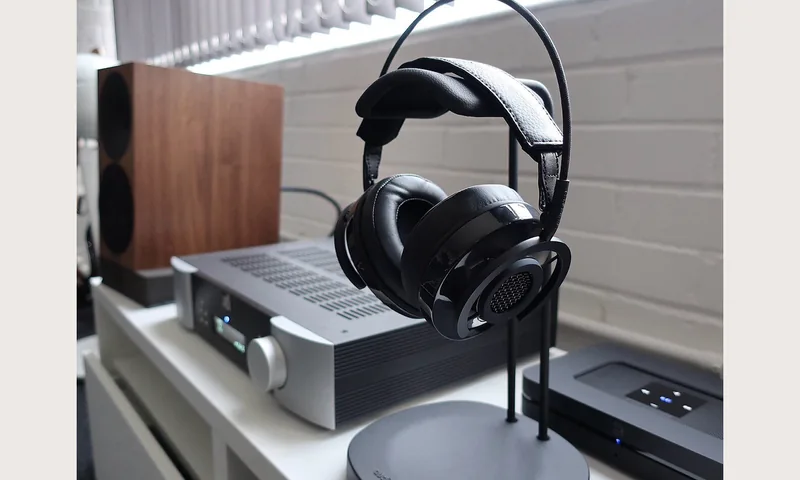
Start with wired monitoring, comfortable fit and the module's output.
Read the guide
Choose a first MIDI keyboard
Count the keys you need for your actual task, then check controls and connections.
Read the guide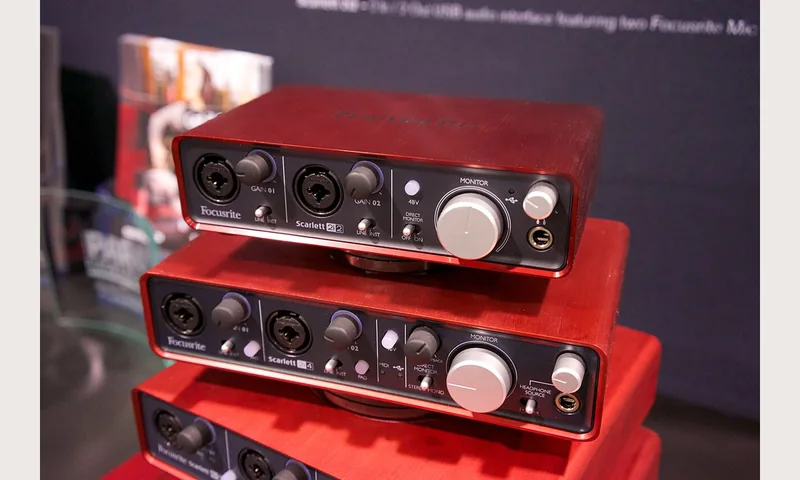
Choose a direct input for guitar or bass
Match the instrument signal to an appropriate input.
Read the guide