Protect cymbal holes with sleeves and suitable felts
Inspect the small contact parts that separate a cymbal from its stand hardware.
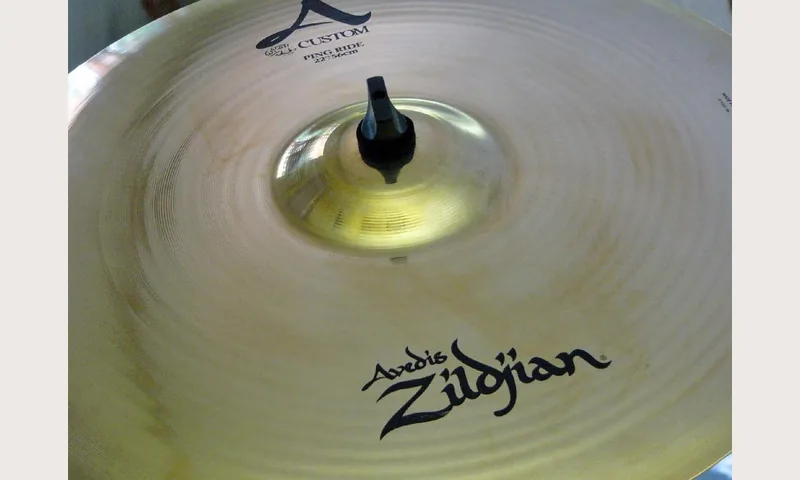
The short answer
A cymbal should sit on the support components intended by the stand maker, with its centre hole protected from unwanted metal contact. Check sleeves and felts during setup, then leave enough movement for the cymbal to respond naturally.
What to do
- Remove the cymbal with one hand supporting it and place it on a safe padded surface.
- Inspect the stand sleeve for cracks, wear or missing coverage. Check the cup or support washer and lower felt.
- Fit compatible replacement contact parts where needed and reinstall the cymbal without dragging its hole along exposed threads.
- Add the intended upper felt and retainer. Adjust them so the cymbal remains secure while moving as its design allows.
- Move the cymbal gently by hand and check for metal contact, binding or an unstable stand.
Inspect wear points
A sleeve may look intact above the cymbal while wearing through where the hole rests. Remove it if the design permits and inspect the contact area. A lower felt can compress unevenly or disappear into a hardware bag. Replacing these small parts promptly is easier than addressing a damaged cymbal hole later.
Allow controlled movement
The cymbal needs room to respond to a stroke, but it should not be free to fall off or strike nearby hardware. Set the retainer within the product guidance and check clearance to toms, walls and other cymbals. A useful movement range depends on the cymbal and the stand rather than one universal wing-nut gap.
Pack the contact parts together
Keep sleeves, felts and retainers attached or stored together when practical. Before placing a cymbal on an unfamiliar stand, inspect the complete support arrangement. A quick setup should still include this check; borrowing a stand does not guarantee its protective parts are present or suitable.
Check the result
The cymbal should be supported smoothly, its hole should not rub exposed stand metal, and the retainer should remain secure without pinching the cymbal rigidly.
Know the limits
Different stands use different integrated sleeves or retaining systems. Do not assume every stand needs the same washer stack or overtighten to eliminate normal movement.
Further reading
Sources for the connections and technical principles discussed above. The diagnostic sequences are our editorial explanation. Consult the manual for your exact model before changing hardware or settings.
These are general educational guides, not hands-on product reviews. How we prepare our content. Cover photo source & license.
Keep working on your setup

Stabilize a boom cymbal stand without excessive clamping
Improve stand balance before using greater clamp force.
Read the guide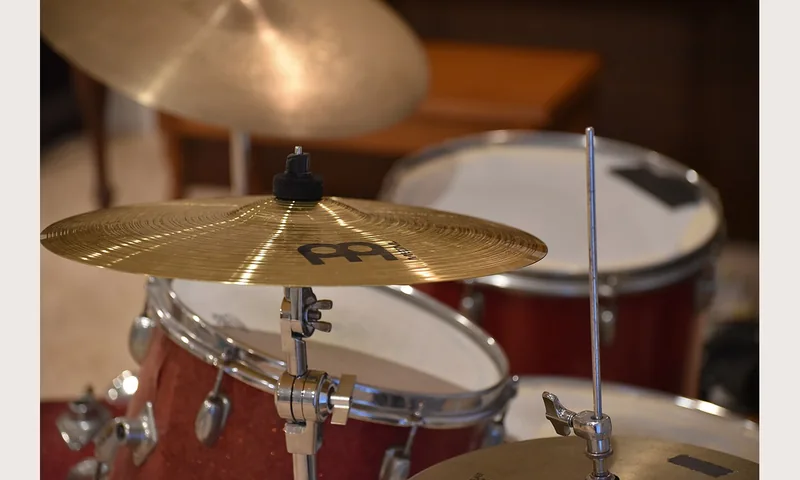
Choose a cymbal angle that supports a glancing stroke
Adjust the cymbal so ordinary strokes meet it comfortably and it can move freely.
Read the guide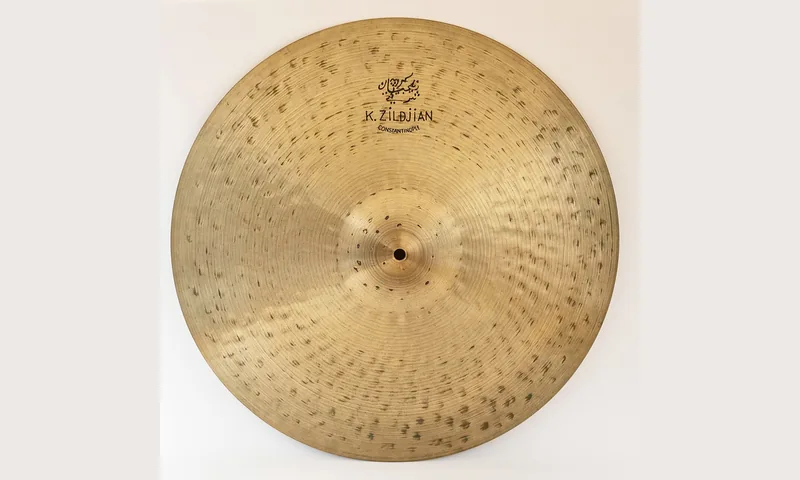
Inspect a used cymbal for cracks and hole wear
Use light, careful handling and a short playing test to inspect a second-hand cymbal.
Read the guide