Place ghost notes beneath a clear snare backbeat
Add quiet snare notes that give the groove motion while leaving the main backbeats clear.
The short answer
Ghost notes work through contrast. Start with a stable backbeat, then add one deliberately quiet snare note in a named subdivision. Its timing should be as intentional as the louder notes, even if it sits low in the overall mix.
What to do
- Play a simple eighth-note groove with snare on two and four. Keep the hi-hat quiet enough to hear the snare detail.
- Add one quiet snare note on the and of three. Count its position before playing it and return to a normal backbeat on four.
- Alternate a bar with the ghost note and a bar without it. Keep the backbeat and hi-hat levels unchanged between versions.
- Record the pattern, then move the ghost note to one other position. Add more notes only after each single placement is controlled.
Begin with a useful contrast
Choose a ghost-note level that is clearly softer than the backbeat but still audible in the room. Start the stick low and avoid lifting unnecessarily between quiet notes. The backbeat needs its own preparation, so practise the quiet-to-loud transition separately. A ghost note immediately before a backbeat presents a different movement problem from one immediately after it; learn them as separate transitions.
Keep the timing independent of volume
A quiet stroke can land early because it travels a shorter distance, or late because the player hesitates. Count its subdivision aloud and listen against the continuous hi-hat. Practise a low-volume snare-only version if necessary. The goal is not to make every stick follow the same path, but to make different dynamic levels arrive at the intended rhythmic positions.
Judge the whole groove
Listen to a short recording at a comfortable level. If the ghost note disappears, first reduce competing hi-hat volume rather than immediately raising the snare. If it competes with the backbeat, lower it and simplify the pattern. Use ghost notes to support the phrase and leave space for the song; a groove need not fill every sixteenth-note slot to feel detailed. Remove the cymbal part for a few repetitions and listen to the snare line alone. Mark the quiet notes on paper so they remain intentional. Restore a soft cymbal line first, then its normal level, checking that masking has not encouraged unnecessary force in the ghost notes.
Check the result
The backbeats should remain the main snare accents, and the added note should sit clearly on its chosen subdivision. Removing the ghost note should change the texture without revealing a tempo change.
Know the limits
There is no fixed decibel difference that fits every kit and room. Snare sensitivity and recording processing affect quiet detail. Do not strain to make very soft strokes register on an unsuitable electronic preset.
Further reading
Sources for the connections and technical principles discussed above. The diagnostic sequences are our editorial explanation. Consult the manual for your exact model before changing hardware or settings.
These are general educational guides, not hands-on product reviews. How we prepare our content. Cover photo source & license.
Keep working on your setup
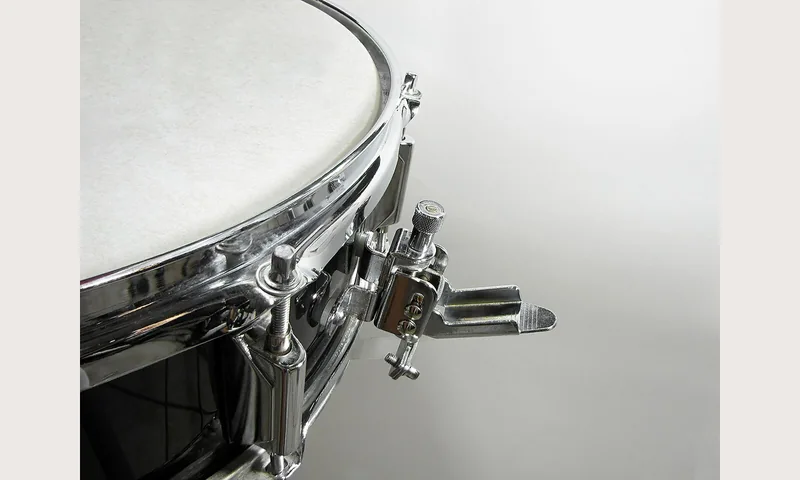
Balance snare wire tension for quiet and loud notes
Find the wire setting that responds to light strokes without shortening the drum excessively.
Read the guide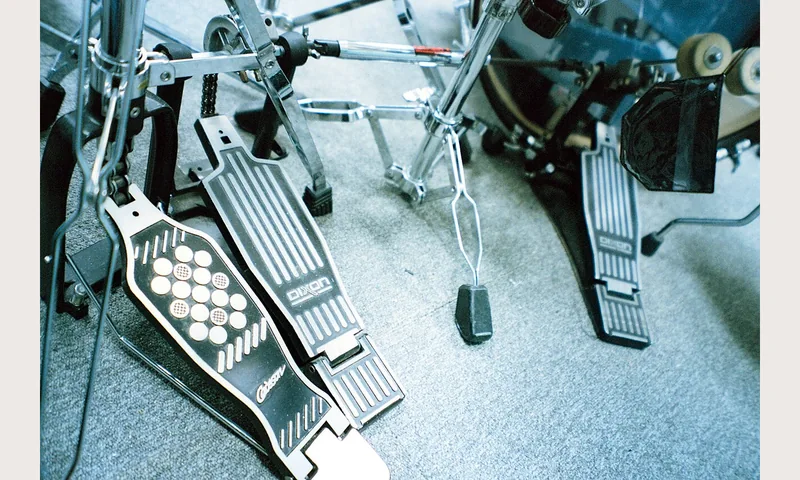
Make two bass-drum notes clear inside a groove
Add a short bass-drum double while preserving the surrounding pulse and the second note.
Read the guide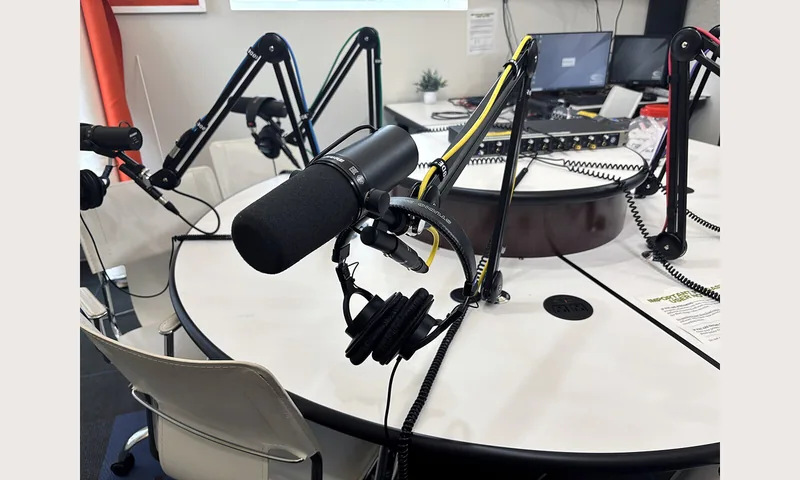
Place a podcast microphone for clear speech
Keep the mouth-to-mic relationship consistent and control air blasts.
Read the guide