Keep fast drum rolls when adjusting retrigger cancellation
Distinguish sensor after-vibration from deliberate repeated hits.
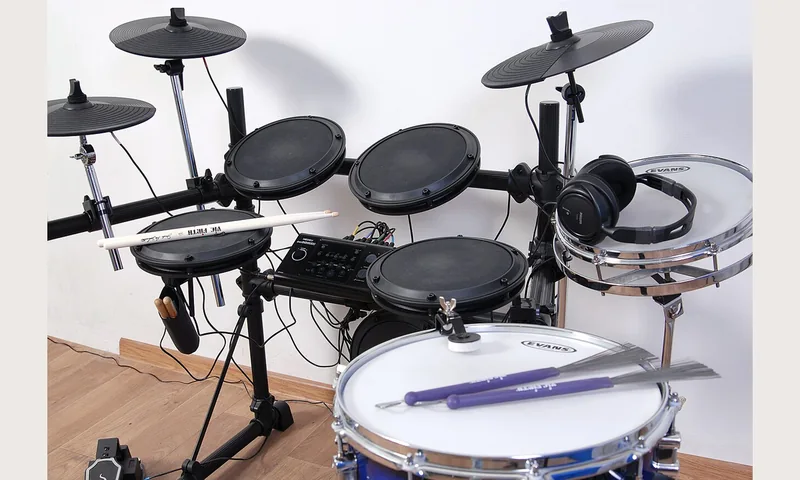
The short answer
Retrigger cancellation suppresses signals that resemble a previous strike's vibration. Excessive cancellation can suppress a real second stroke, especially in a quiet roll. Treat it as a targeted control rather than a general noise cleaner.
What to do
- Save the existing trigger setup and choose the module's recommended pad type. Check mounting and head condition first.
- Play spaced single hits at several strengths and listen for an unintended second note after each hit.
- Increase cancellation by one small step only when single hits double. Then play slow doubles, fast doubles and a quiet roll to test genuine repeats.
Use two test patterns
A setting can sound perfect on loud single strokes and fail during soft doubles. Record both patterns before and after the adjustment. If singles and rolls cannot both work, revisit sensitivity, head tension or pad compatibility using the manufacturer's order of adjustment rather than increasing every suppression control.
Check the result
Single hits produce one note while each intentional double remains audible. Check the saved kit after a power cycle if the module distinguishes temporary and stored settings.
Know the limits
Some modules use scan time, mask time or other interacting controls. Their values are model-specific; do not copy another drummer's numbers blindly.
Further reading
Sources for the connections and technical principles discussed above. The diagnostic sequences are our editorial explanation. Consult the manual for your exact model before changing hardware or settings.
- Roland TD-27 reference manual: connections, settings and care
- Roland: troubleshooting double triggering
These are general educational guides, not hands-on product reviews. How we prepare our content. Cover photo source & license.
Keep working on your setup
Set a drum trigger threshold without losing ghost notes
Separate quiet intentional hits from unwanted trigger noise.
Read the guide
Test a suspect drum pad cable before replacing the pad
Use a controlled cable swap to locate intermittent trigger faults.
Read the guide
Check whether an electronic kit supports brush sweeps
Find the difference between brush impact sounds and continuous sweep sensing.
Read the guide