Stabilize a boom cymbal stand without excessive clamping
Improve stand balance before using greater clamp force.
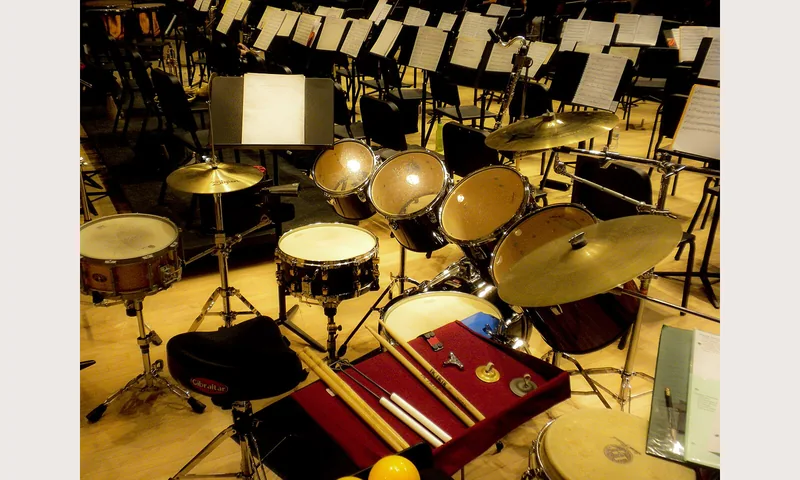
The short answer
A stable boom stand begins with a suitable base and sensible load position. Spread the legs as intended, keep the cymbal within a manageable reach, and orient the base for support. Tight clamps cannot make an overextended or unsuitable stand balanced.
What to do
- Inspect the stand for bent tubes, missing feet and locks that fail to hold. Remove the cymbal before major adjustments.
- Open the tripod within its intended range and place all feet on a stable surface.
- Set the boom extension and angle for the required reach while keeping unnecessary overhang small.
- Orient the base to support the load, following the stand instructions, and secure each clamp normally.
- Install the cymbal and test gentle movement, then ordinary playing. Check for contact with nearby hardware.
Reduce reach first
A long boom can solve an immediate placement problem while making the base easier to tip. Move the stand closer or reposition a neighbouring stand if the kit allows it. A small layout change often improves both reach and stability. If the required position remains beyond the stand's useful range, choose hardware designed for that load.
Check the floor beneath each foot
A tripod can rock because one foot rests on a cable, a rug edge or uneven flooring. Inspect all three contacts before adjusting the upper hardware. Keep cables out of the load path and avoid a setup where a passing person can easily catch an extended leg. Stability includes the surrounding space as well as the stand itself.
Watch the joints separately
If the base stays still while the cymbal drops, identify which joint slips. Inspect that clamp and its mating surfaces according to the manual. If the whole stand leans, focus on balance and floor contact. These are different failures, and separating them prevents unnecessary strain on parts that are already holding correctly.
Check the result
The base should remain planted, the boom should hold its angle and the cymbal should have clearance during normal movement.
Know the limits
A heavier or farther-reaching cymbal may require a more suitable stand. Do not add unsecured weights, extend tubes beyond their limits or keep tightening a slipping damaged joint.
Further reading
Sources for the connections and technical principles discussed above. The diagnostic sequences are our editorial explanation. Consult the manual for your exact model before changing hardware or settings.
These are general educational guides, not hands-on product reviews. How we prepare our content. Cover photo source & license.
Keep working on your setup
Trace excessive snare buzz from another drum
Identify the source of sympathetic wire buzz before tightening the snare out of its useful range.
Read the guide
Protect cymbal holes with sleeves and suitable felts
Inspect the small contact parts that separate a cymbal from its stand hardware.
Read the guide
Choose a cymbal angle that supports a glancing stroke
Adjust the cymbal so ordinary strokes meet it comfortably and it can move freely.
Read the guide