Adjust bass drum pedal spring tension by feel
Use a repeatable playing test to choose spring tension without chasing a universal setting.
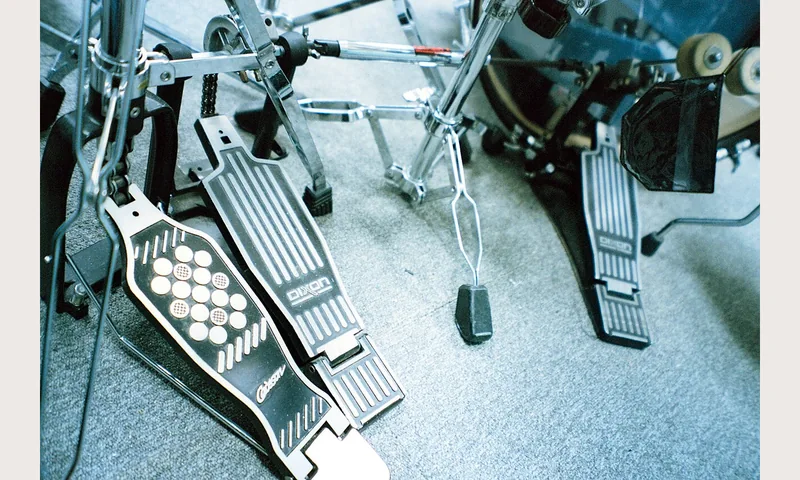
The short answer
Pedal spring tension should let the mechanism return reliably while supporting your control. Start from a functioning setup, record the adjustment position and make one small change. Test repeated notes and quiet strokes before deciding whether more or less tension helps.
What to do
- Inspect the spring, hooks and adjustment lock. Stop if a component is damaged or loose in an unintended way.
- Record the original position with a photo. Keep beater height, angle and other pedal adjustments unchanged for this test.
- Change spring tension a small amount using the method in the pedal manual, then secure its lock.
- Play slow strokes, repeated notes and the fastest short passage you actually use. Include quieter dynamics.
- Compare the original and changed settings. Retain the one that gives consistent return and comfortable control.
Use a musical test
A few rapid strokes can favor a setting that becomes tiring in a complete passage. Play a short groove with rests, isolated notes and repetitions. Notice whether you can stop the beater cleanly as well as make it move. The best choice depends on technique and the mechanism, so another player's adjustment is a reference to try rather than a prescribed target.
Hold other settings still
Some pedals offer linked or independent changes to footboard and beater angles. Those adjustments alter the comparison. Leave them alone while evaluating the spring, then revisit them as a separate experiment if needed. A short record of each trial prevents a sequence of small changes from becoming a setup you cannot reproduce.
Check for mechanical resistance
With the spring safely connected and the pedal unloaded, move it gently through its normal motion. Unexpected scraping or sticking deserves inspection against the manual. Do not add lubricant indiscriminately to bearings, straps or drive surfaces. If the mechanism is worn, correcting the mechanical problem is more reliable than increasing spring tension to pull through it.
Check the result
The beater should return consistently without the pedal fighting your foot or feeling unreliable. Your repeated notes should be more controllable at the same comfortable effort.
Know the limits
Spring tension cannot correct worn bearings, a sticking hinge or an insecure pedal. Avoid stretching a spring outside its designed adjustment range or changing several linked settings simultaneously.
Further reading
Sources for the connections and technical principles discussed above. The diagnostic sequences are our editorial explanation. Consult the manual for your exact model before changing hardware or settings.
These are general educational guides, not hands-on product reviews. How we prepare our content. Cover photo source & license.
Keep working on your setup
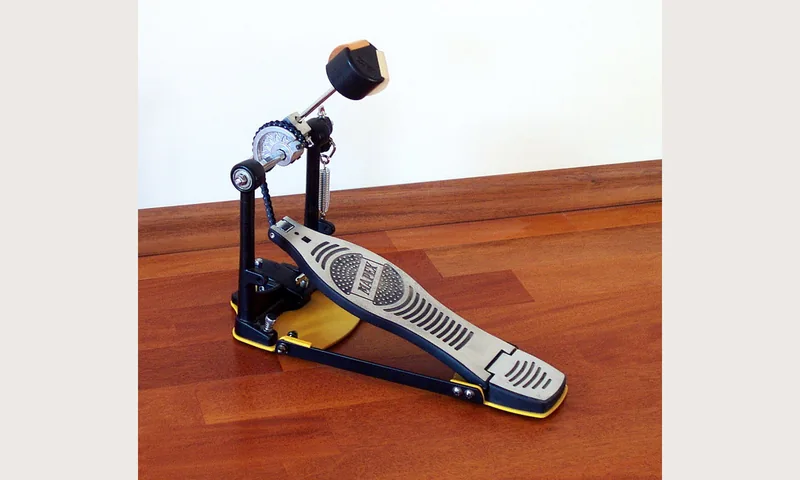
Align a bass drum pedal beater on the head
Position the pedal and beater so the stroke is clear, secure and comfortable.
Read the guide
Stop a bass drum pedal from creeping
Identify whether the pedal, bass drum or floor covering is moving before changing the setup.
Read the guide
Balance bass drum batter and resonant heads
Explore the relationship between the two bass drum heads before adding heavy damping.
Read the guide