Balance bass drum batter and resonant heads
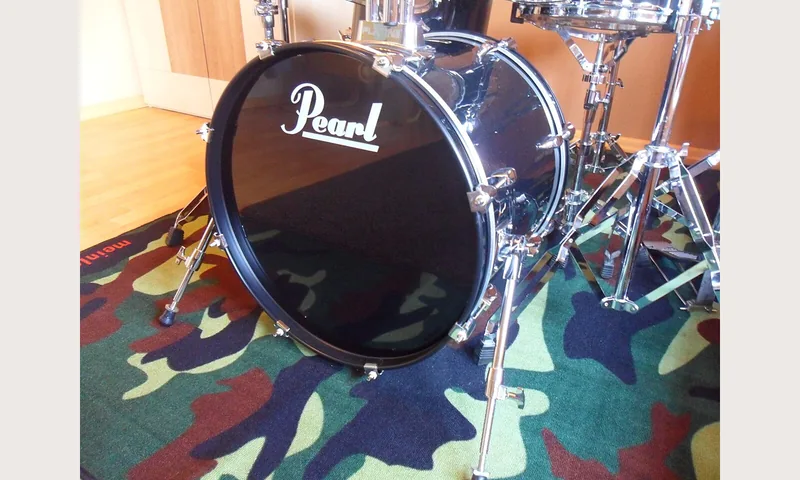
Explore the relationship between the two bass drum heads before adding heavy damping.
The short answer
The batter head shapes the feel under the beater while the front head contributes to the drum's overall response. Tune each evenly, then compare them together. Change one side at a time so you can hear which adjustment affects attack, body or decay.
What to do
- Remove loose internal material temporarily and check both heads for damage. Leave any fixed factory system in its intended position.
- Start with a clear, comfortable batter response. Make small balanced rod adjustments rather than leaving one area visibly slack.
- Bring the front head into an even, usable range and play a short pulse from the pedal.
- Change the front head slightly and repeat the same pulse. Then restore it before testing a small batter adjustment.
- Choose the combination that supports the part, and add only the damping needed after that comparison.
Define the musical target
A sustained low note can support a spacious part but blur a fast bass drum pattern. Test the actual rhythm, including the shortest gaps between strokes. If you only play isolated hits, you may choose a decay that becomes crowded at tempo. Keep the desired pulse clear before focusing on how impressive a single note sounds.
Separate feel from recorded tone
The pedal response is experienced at the batter, while a microphone or listener elsewhere hears the combined drum and room. A setting that sounds large from the stool may behave differently in front of the kit. Use a fixed recording position and label each trial. If recording is part of the task, evaluate the unprocessed signal before using processing to hide a weak starting sound.
Make reversible comparisons
Write down which head you changed and approximately how much. Small equal turns can help retrace an experiment on this drum, but they are not transferable tuning values. Return to the previous setting when a change is unhelpful. This approach gives you a useful range of choices without losing the workable sound you began with.
Check the result
The pedal should feel predictable, and the drum should produce a defined note at quiet and ordinary force. Its tail should fit the groove without an uncontrolled flap.
Know the limits
A ported front head and a full front head respond differently. Do not expect a universal rod-turn recipe, and never place hands inside a drum while another person is playing it.
Further reading
Sources for the connections and technical principles discussed above. The diagnostic sequences are our editorial explanation. Consult the manual for your exact model before changing hardware or settings.
These are general educational guides, not hands-on product reviews. How we prepare our content. Cover photo source & license.
Keep working on your setup
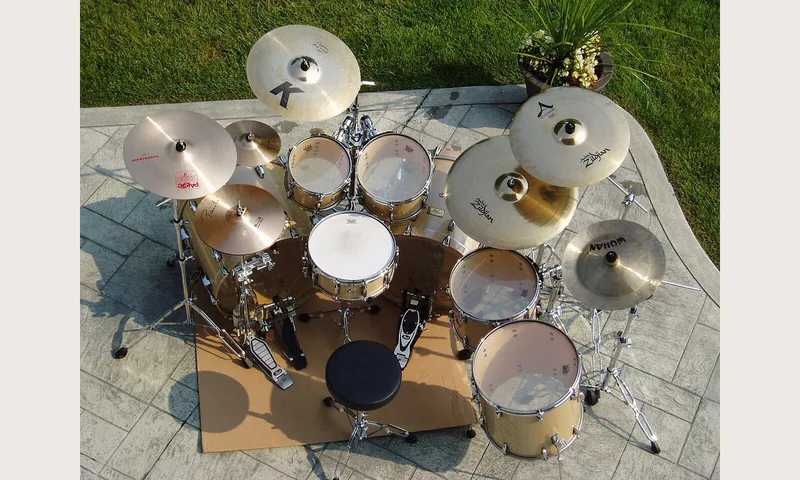
Position bass drum damping with light head contact
Use a stable, minimal amount of internal damping and compare where it touches.
Read the guide
Decide whether a bass drum front head needs a port
Consider sound, playing feel and access before replacing or cutting a front head.
Read the guide
Set bass drum spurs for a stable playing position
Keep the bass drum stable using the spurs and a suitable floor surface.
Read the guide