Choose headphones for electronic drums
Start with wired monitoring, comfortable fit and the module's output.
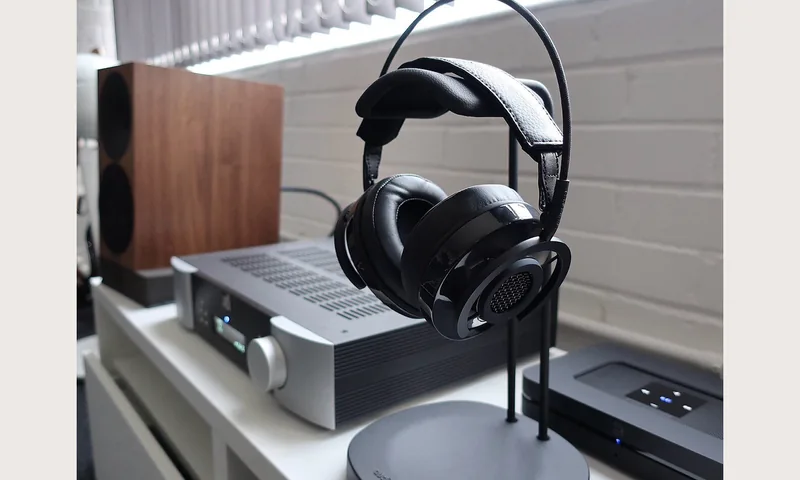
The short answer
A useful pair lets you hear the backing track and drum detail without turning up to overpower stick noise. Impedance alone does not predict the volume a headphone output can deliver.
What to do
- Try the headphones directly from the module and play at a modest level. Check whether quiet details are clear.
- Wear them for a full practice session, including glasses if you use them. Check pressure, heat and cable movement.
- Compare closed-back isolation against your room needs. Keep an open design for situations where hearing the room matters more than isolation.
Compare at the module you will use
Bring one familiar backing track and use the same drum patch for each candidate. Start low, then match a comfortable perceived level rather than matching knob positions. Different headphone sensitivity changes the loudness at the same setting. Check that both the backing track and soft ghost notes remain intelligible with useful adjustment range left on the module. A separate amplifier is unnecessary if this test already works.
Include the physical part of practice
Play for long enough to notice heat, clamping and the cable brushing your arms. Check the seal with your glasses on and while turning your head. A closed design may reduce room and stick noise, but fit determines how effective that reduction feels. Secure excess cable away from pedals without pulling on the plug. Replaceable cushions and a detachable cable can matter more than a small tonal preference.
Keep isolation and hearing protection distinct
Do not judge the headphones by how loudly they can overpower an acoustic kit or a loud rehearsal. Consumer noise cancellation and a closed cup are not proof of a rated protective device. If the environment requires hearing protection, choose equipment designed for that purpose and follow its fitting guidance. For electronic practice, lowering module and backing-track levels together is usually more useful than continually raising one against the other.
Check the result
Use the same track at a matched comfortable loudness when comparing pairs. A louder pair can seem more detailed without actually being clearer.
Know the limits
Passive isolation is not certified hearing protection unless explicitly rated as such. Do not compensate for loud acoustic drums by continually raising headphone level.
Further reading
Sources for the connections and technical principles discussed above. The diagnostic sequences are our editorial explanation. Consult the manual for your exact model before changing hardware or settings.
- Neumann: headphone construction and amplifier matching
- Neumann: headphone impedance and amplifier requirements
- WHO: safe listening
These are general educational guides, not hands-on product reviews. How we prepare our content. Cover photo source & license.
Keep working on your setup

Choose open-back or closed-back headphones
Decide how much sound must stay inside and outside your headphones.
Read the guide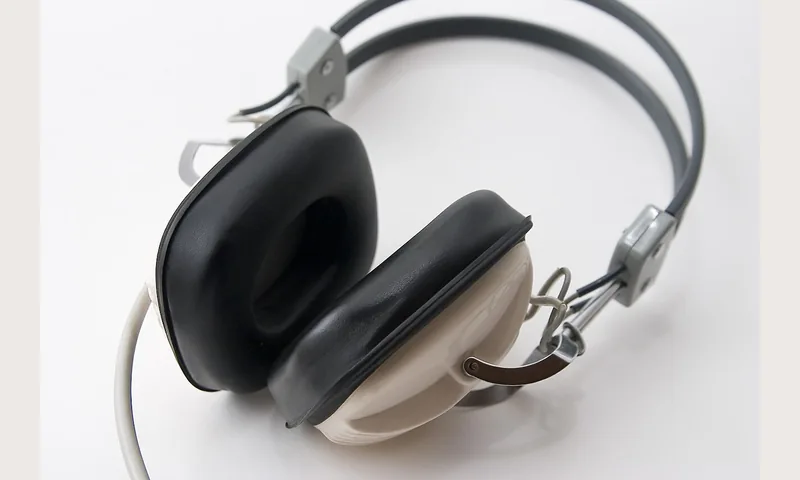
Match headphones to an audio source
Check output capability and sensitivity as well as impedance.
Read the guide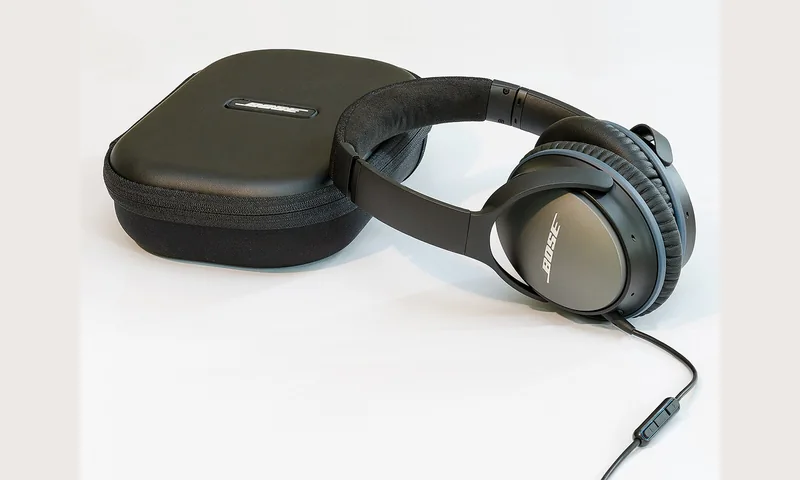
Find a comfortable headphone fit
Adjust the physical fit before judging bass or buying replacement pads.
Read the guide