Set a drum throne for stable foot control
Use balance and pedal access to choose a practical starting seat position.
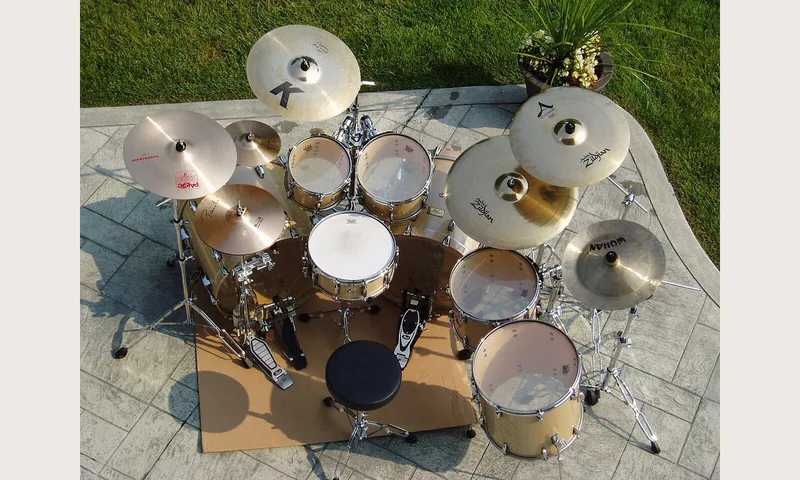
The short answer
A useful throne setting lets you balance comfortably while each foot operates its pedal. Begin with a stable seat, make small height and distance changes, and assess the complete playing movement. A measurement borrowed from another drummer is only a starting suggestion.
What to do
- Inspect the throne base, seat attachment and height lock. Set it on a stable surface with all feet supported.
- Sit comfortably and place both feet on their pedals without stretching forward or tucking them awkwardly beneath you.
- Try a small height change and play simple foot patterns while keeping the upper body relaxed.
- Add a snare and hi-hat groove. Check whether you lean on one foot for balance or reach excessively with the arms.
- Choose the most stable comfortable position, secure the adjustment and check it again after a short break.
Check distance as well as height
A seat that feels too low may also be too far from the pedals. Change one variable at a time and return to a simple foot pattern. Keep the pedals in their actual playing positions rather than testing with the feet flat elsewhere on the floor. The useful setup is the complete relationship between seat and kit.
Do not balance on a clamp
The throne must hold its chosen height without relying on an improvised wedge or an overtightened damaged fitting. Confirm that its support range and adjustment mechanism suit you. If the seat rocks independently of the base, identify that movement before judging posture. Mechanical instability can feel like a technique problem.
Record a practical reference
Note the height setting and take a side photograph if you find a comfortable arrangement. Use it to rebuild your setup, then make a fresh comfort check in a different room or with different pedals. Small changes in floor level and equipment can matter. The reference supports repeatability without turning one position into a rule you must endure.
Check the result
You should remain balanced as either foot moves, reach the pedals comfortably and play without an immediate need to brace or lean.
Know the limits
Stop if a position causes pain, numbness or instability. Persistent discomfort may need individual guidance; equipment measurements alone cannot diagnose its cause.
Further reading
Sources for the connections and technical principles discussed above. The diagnostic sequences are our editorial explanation. Consult the manual for your exact model before changing hardware or settings.
These are general educational guides, not hands-on product reviews. How we prepare our content. Cover photo source & license.
Keep working on your setup
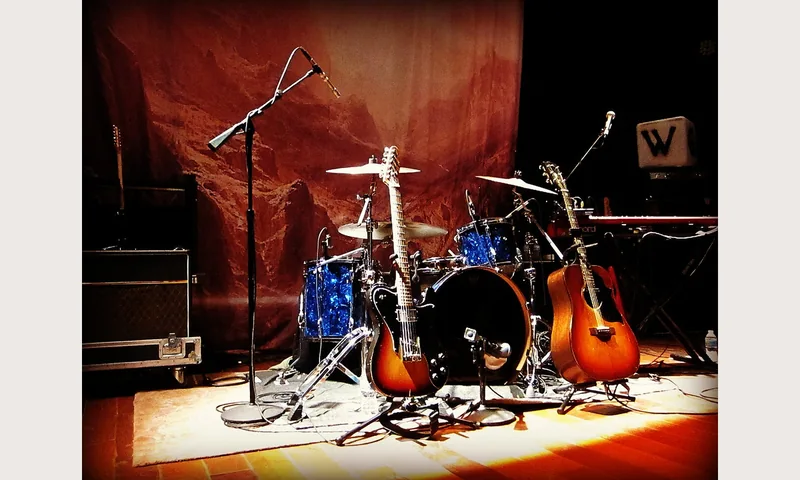
Set bass drum spurs for a stable playing position
Keep the bass drum stable using the spurs and a suitable floor surface.
Read the guide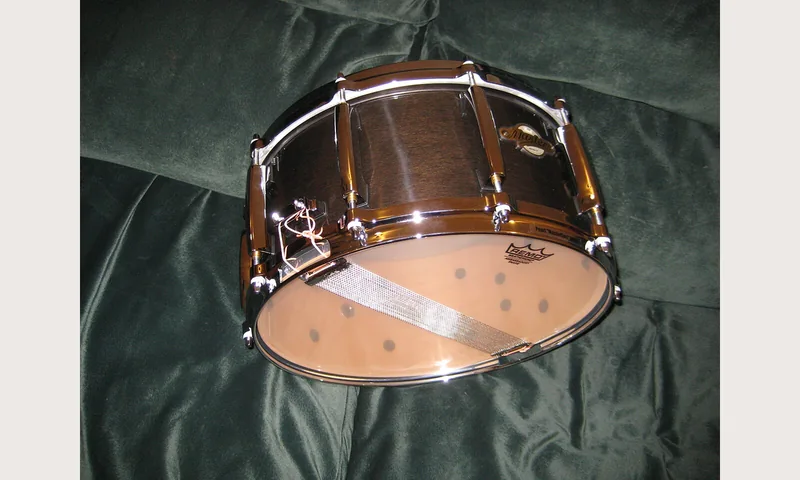
Centre a set of snare wires under the drum
Align replacement snare wires so both ends pull straight and the strainer has room to adjust.
Read the guide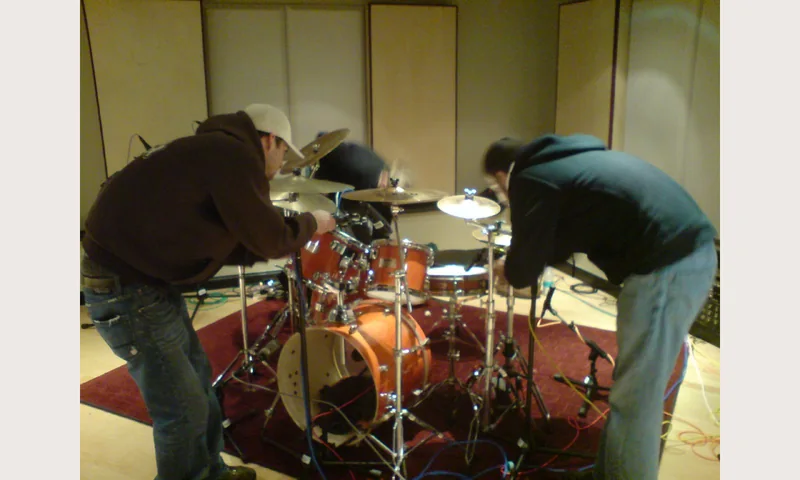
Set up a three-microphone drum recording
Build a coherent kit picture with two overheads and a kick microphone.
Read the guide