Pack acoustic drums for changing temperatures
Protect shells and fittings during transport and allow a cautious return to room conditions.
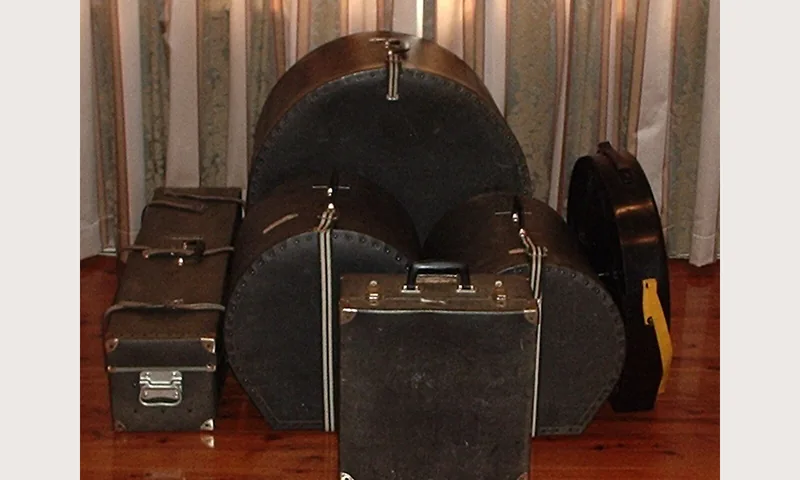
The short answer
Use cases that fit, remove or secure protruding hardware, and avoid leaving drums in extreme conditions. After a cold or hot journey, allow the equipment to adjust gradually before opening everything and playing. Inspect for moisture and mechanical movement during setup.
What to do
- Check that shells and hardware are dry before packing. Remove loose objects from the drums and cases.
- Use suitable padded cases and protect exposed fittings without forcing the drum into a tight closure.
- Pack hardware separately so stands and pedals cannot strike shells or heads. Secure the load against movement.
- Keep instruments away from avoidable extreme heat, cold and moisture during the journey.
- At the destination, let the cased equipment adjust gradually, then inspect for condensation, loose fittings and tuning changes before use.
Fit matters in a case
A case that is too small can press against a strainer or mount, while one that is much too large can let the drum move. Check the fit with the actual hardware arrangement. Keep straps and zips clear of delicate parts. Label cases in a way that helps you load and unload without putting heavy hardware on top of vulnerable instruments.
Watch for moisture
A cold instrument entering warm humid air can develop condensation. Inspect exposed metal and surfaces when unpacking and follow the maker's care guidance. Do not seal damp equipment away for long storage. If moisture is present, allow gentle drying in an appropriate indoor environment rather than rubbing delicate finishes aggressively or adding heat.
Check the setup after travel
Transport can alter stand positions, pedal adjustments and drum tuning even when nothing is visibly broken. Rebuild the kit with a brief stability check, inspect the snare strainer and verify the bass drum connection. Tune only after the instrument has reached a reasonably stable environment. A rushed correction during a temperature transition may need to be undone later.
Check the result
The drums should arrive without contact damage, trapped moisture or shifted hardware. After setup, each fitting should hold and each drum should respond normally.
Know the limits
There is no universal waiting time for every temperature change and case. Do not apply direct heaters, hair dryers or other rapid heating to speed the process.
Further reading
Sources for the connections and technical principles discussed above. The diagnostic sequences are our editorial explanation. Consult the manual for your exact model before changing hardware or settings.
These are general educational guides, not hands-on product reviews. How we prepare our content. Cover photo source & license.
Keep working on your setup
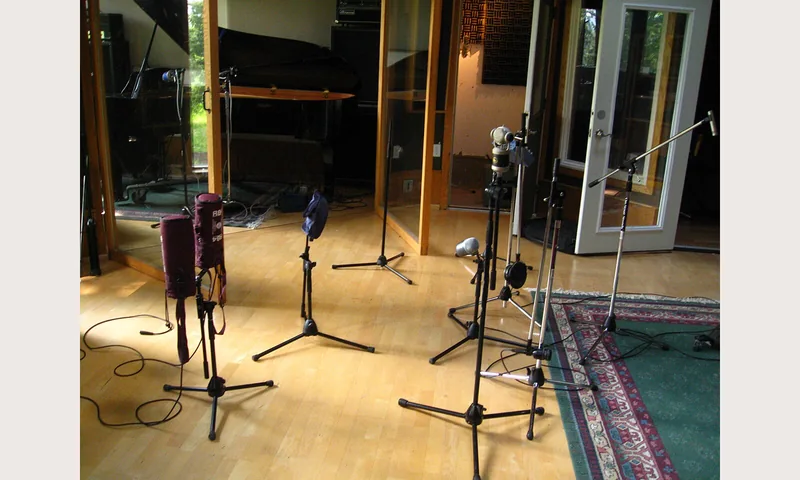
Record acoustic drums with one microphone
Find the balance in the room before reaching for processing.
Read the guide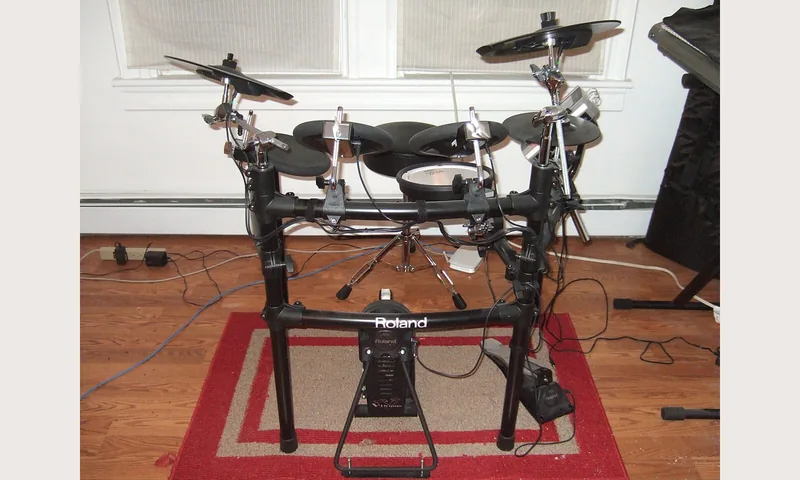
Connect electronic drums to a computer
USB MIDI and USB audio do different jobs. Check what your module actually sends before buying an interface.
Read the guide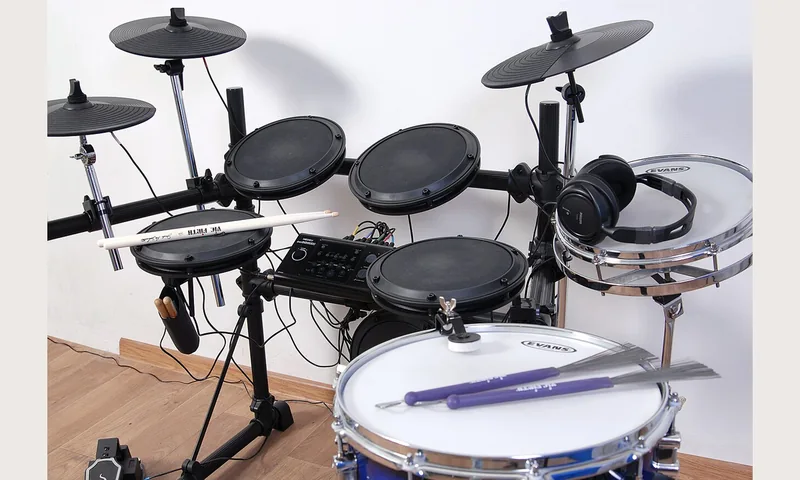
Fix double triggering on electronic drums
Isolate the pad, mounting and trigger settings before raising thresholds.
Read the guide