Decide between single-ply and double-ply drumheads
Match drumhead construction to response and durability needs rather than assuming thicker always means better.
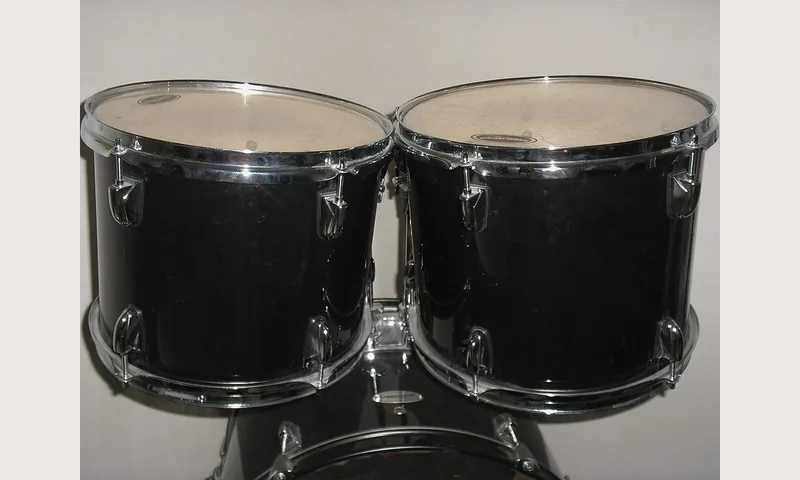
The short answer
Single-ply and double-ply heads offer different starting points for response and control. A single-ply design can retain an open, sensitive note; a double-ply design often adds control and resistance to wear. Compare specific models, because film thickness and additional damping can outweigh the simple ply count.
What to do
- Inspect your present heads and identify the problem you want to solve. Distinguish actual dents and short life from an open sound that could be adjusted through tuning or modest damping.
- Write down the playing range that matters: quiet practice, brushes, normal sticks, or louder amplified rehearsals. The least forceful notes you need are part of the decision.
- Compare the construction details of candidate heads, including total film thickness, coating and any ring or dot. Confirm that the head is intended for the side of the drum you are replacing.
- Test a candidate on one drum before replacing the whole kit. Tune it evenly and compare soft strokes, accents and a normal musical phrase.
- After a few sessions, inspect the surface and revisit the original problem. Keep a note of whether the new head improved response, control or durability enough to justify the change.
Do not confuse control with silence
A shorter ring may feel tidier under the sticks but the initial acoustic hit remains substantial. If the real problem is disturbing other people, changing to a heavier head is not a complete noise solution. For this comparison, judge the quality and length of the note in the room. Keep environmental noise planning separate so the head is not expected to solve an unrelated task.
Test the weak notes
Play a short pattern containing both accents and low strokes. Listen for whether the quiet notes retain their identity or disappear beneath the accented ones. A head that feels satisfying at one loudness may not suit a part that depends on a wider range. Do not force either candidate into a very low tuning solely to produce an impressive isolated thump.
Review wear without a fixed calendar
Hours played, stroke force, stick condition and tuning all affect head life. Record when you installed the candidate and inspect it under side lighting after normal use. Visible dents, unreliable tuning and a persistent loss of response are useful observations. A universal replacement interval is less informative than the condition of this head and whether it still supports the music you play.
Check the result
The chosen head should produce a useful quiet note and survive your ordinary playing without rapid denting. Its decay should sit comfortably in the kit; you should not need to hit harder simply to make every note speak.
Know the limits
Ply count does not make a drum quiet enough for noise-sensitive spaces, nor does it compensate for damaged sticks or poor striking angles. Snare-side heads are a separate category and must not be chosen as batter heads.
Further reading
Sources for the connections and technical principles discussed above. The diagnostic sequences are our editorial explanation. Consult the manual for your exact model before changing hardware or settings.
- Remo: Single-ply and Double-ply Drumheads
- Remo: Understanding Drumhead Types
- Remo: Drumhead Replacement
These are general educational guides, not hands-on product reviews. How we prepare our content. Cover photo source & license.
Keep working on your setup
Fix double triggering on electronic drums
Isolate the pad, mounting and trigger settings before raising thresholds.
Read the guide
Decide whether a bass drum front head needs a port
Consider sound, playing feel and access before replacing or cutting a front head.
Read the guide
Move a single paradiddle around the drum kit
Turn the sticking RLRR LRLL into a musical idea while keeping the underlying notes intact.
Read the guide