Inspect drumsticks for wear before they damage heads
Use a quick visual and tactile check to retire sticks that no longer strike cleanly.
The short answer
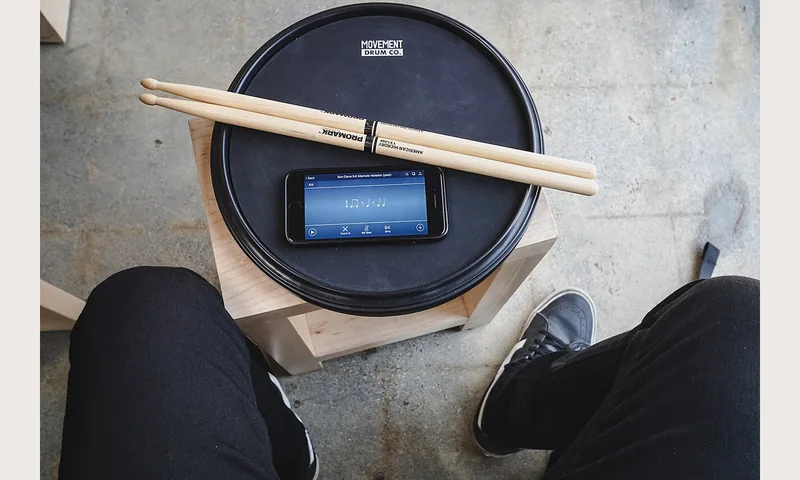
A damaged tip or splitting shaft can change the sound and leave rough contact against a head or cymbal. Inspect the pair you actually use, especially after rim-heavy playing, and replace a stick when its condition becomes unreliable rather than waiting for it to break mid-song.
What to do
- Look at the tips in good light and compare their shape. Check for chips, splits or a loose synthetic tip.
- Inspect the shoulder and rimshot area for deep grooves, lifted splinters and cracks.
- Run a cloth gently along the shaft to reveal rough areas without dragging bare skin across a splinter.
- Compare the two sticks with light strokes on the same surface, listening for an unexpected difference and checking their feel.
- Retire unsafe or damaged sticks and place a sound spare pair within easy reach.
Know where wear appears
Rimshots often mark the middle portion while cymbal playing can wear the shoulder. Tip damage may be subtle but change articulation noticeably. Inspect all these areas rather than looking only for a dramatic break. A stick that has lost large fragments or has a crack deserves retirement even if it still feels usable for a few strokes.
Separate sound changes from instrument problems
A chipped tip can make the same cymbal or drum sound different between hands. Before retuning an instrument to solve that difference, swap the sticks between hands and try a sound pair. This simple comparison can identify the contact surface as the variable. It also makes later head or cymbal tests more consistent.
Store a practical spare pair
Keep spare sticks where they can be reached without standing or reaching across a moving cymbal. Store them dry and away from extreme heat. Recheck older spares before a performance; being unused does not establish their condition. A small routine inspection is more useful than predicting exactly how many hours any pair will last.
Check the result
The playing surfaces should be intact, the shafts should feel secure, and the pair should provide a reasonably consistent response for the part.
Know the limits
Do not glue a failing stick and rely on it for normal playing. Natural wood grain and weight variation do not by themselves prove damage; assess condition and response together.
Further reading
Sources for the connections and technical principles discussed above. The diagnostic sequences are our editorial explanation. Consult the manual for your exact model before changing hardware or settings.
These are general educational guides, not hands-on product reviews. How we prepare our content. Cover photo source & license.
Keep working on your setup
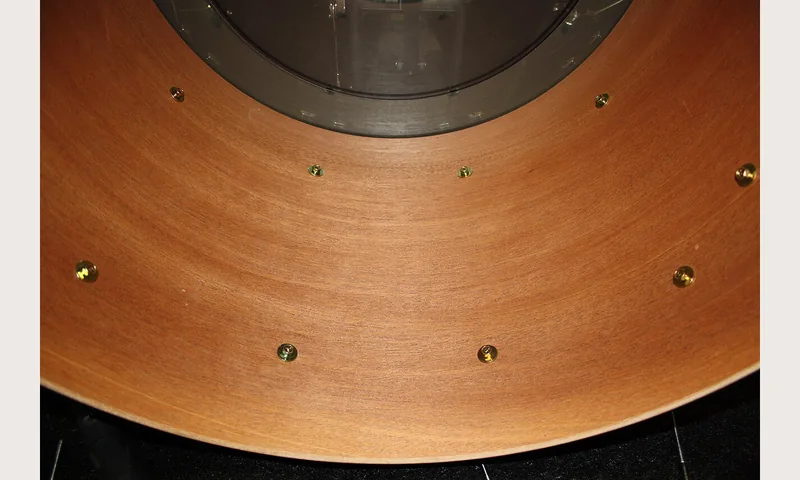
Inspect a used acoustic drum shell before buying
Use a calm visual and playing inspection to distinguish cosmetic wear from expensive structural trouble.
Read the guide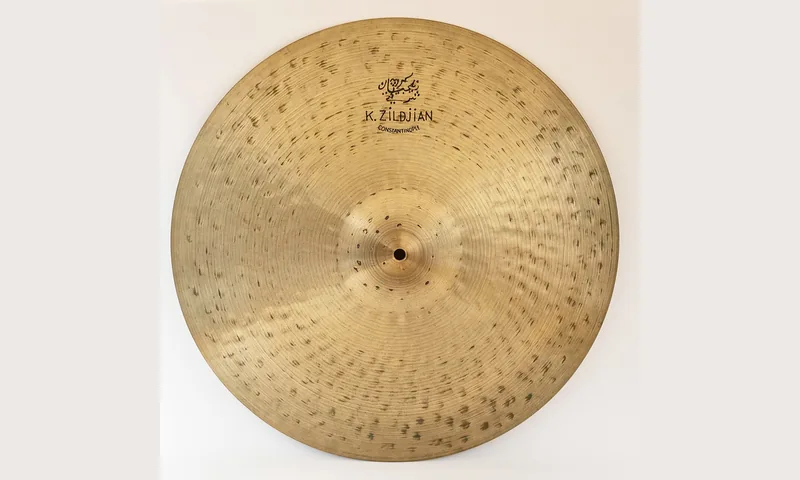
Inspect a used cymbal for cracks and hole wear
Use light, careful handling and a short playing test to inspect a second-hand cymbal.
Read the guide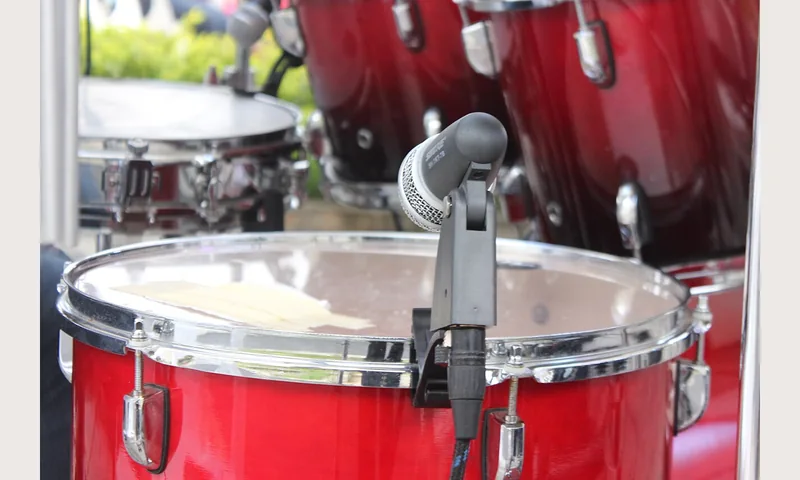
Choose coated or clear tom heads by the sound you need
Compare surface finish on the same tom while accounting for thickness, construction and tuning.
Read the guide