Build a backbeat groove one limb at a time
Assemble a simple groove so each limb has a clear rhythmic job and a controlled level.
The short answer
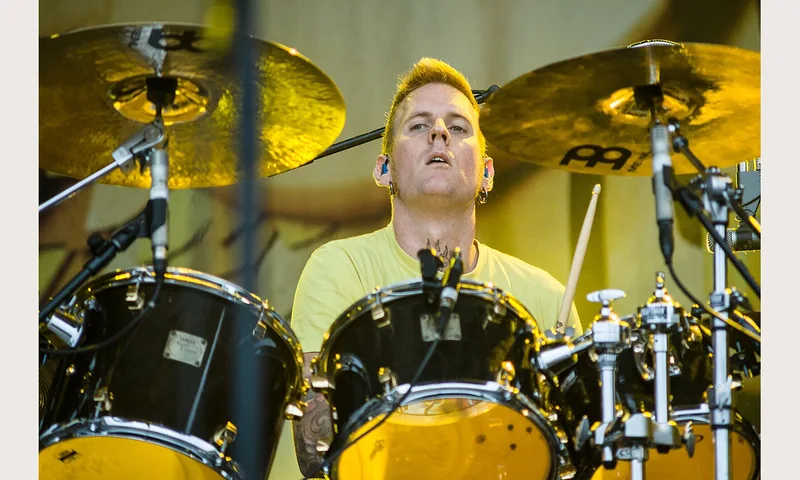
A basic starting groove can use eighth notes on the hi-hat, snare on beats two and four, and bass drum on beats one and three. Learn the count first, then add one limb at a time. The goal is a dependable musical pattern rather than a fast coordination test.
What to do
- Count 1 and 2 and 3 and 4 and while playing hi-hat eighths. Keep the eighth notes even and comfortably quiet.
- Add the snare on two and four. Play several bars, then stop and restart so the first backbeat is as reliable as the later ones.
- Add the bass drum on one and three. If the pattern breaks, remove the hi-hat briefly and practise only kick and snare against the count.
- Record eight bars with all three parts. Listen once for timing and again for the balance of hat, snare and kick.
Make the count independent of the hands
Say the beat numbers even when the snare is not playing. If the voice stops whenever a limb is added, return to the simpler version. A spoken count is a temporary scaffold that keeps the bar understandable; it is not a requirement for every performance. Use it to locate mistakes precisely, such as a missing and after beat three, instead of describing the whole groove as difficult.
Check coincident strokes
The snare backbeats coincide with hi-hat notes, and the initial kick notes also coincide with hi-hat notes. Listen for small unwanted flams between these events. Practise one coincident pair, pause, then repeat. Add continuous motion only after the pair feels comfortable. Do not solve a delayed bass drum by striking it harder; first simplify and check the timing at a manageable tempo.
Keep a musical balance
A loud hi-hat can cover the backbeat and make the groove feel harsher than intended. Start the ride hand quietly and bring the kick and snare to a useful level around it. Listen from a recording position a little away from the kit rather than relying only on the sound at the throne. A simple pattern played with an intentional balance can carry a song without extra fills.
Check the result
You should be able to start the groove after a count-in, maintain eight bars and stop at a planned point. The simultaneous hits should sound coordinated, with backbeats clearly audible.
Know the limits
This is one beginner groove, not a rule that kick always belongs on one and three. Use comfortable positioning and moderate volume; add complexity only when the basic version remains easy to follow.
Further reading
Sources for the connections and technical principles discussed above. The diagnostic sequences are our editorial explanation. Consult the manual for your exact model before changing hardware or settings.
These are general educational guides, not hands-on product reviews. How we prepare our content. Cover photo source & license.
Keep working on your setup
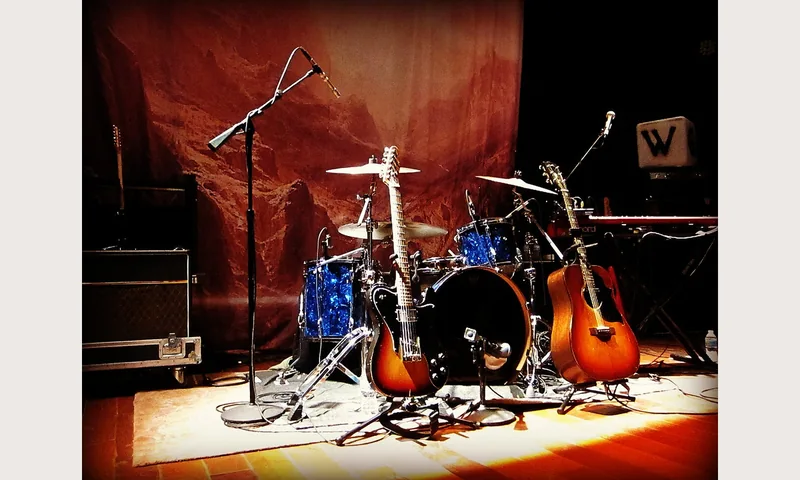
Build a three-four groove that keeps its three-beat shape
Keep a repeating three-beat bar clear while moving beyond a familiar four-beat groove.
Read the guide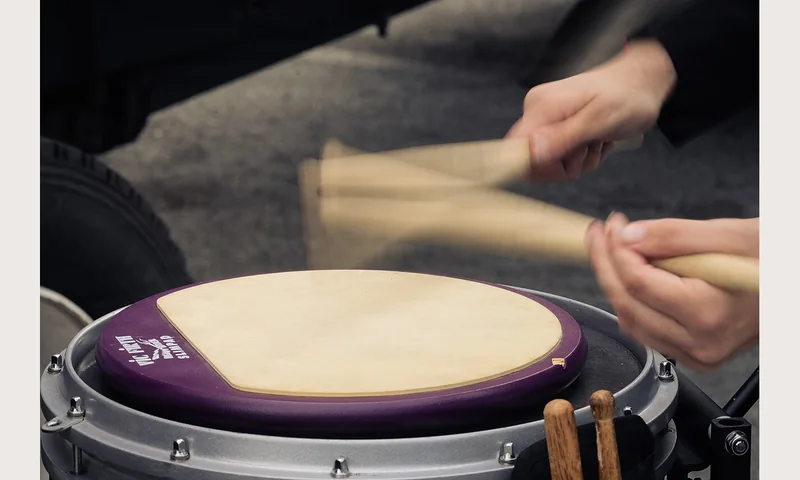
Build a practice session around one problem
Define a result you can hear.
Read the guide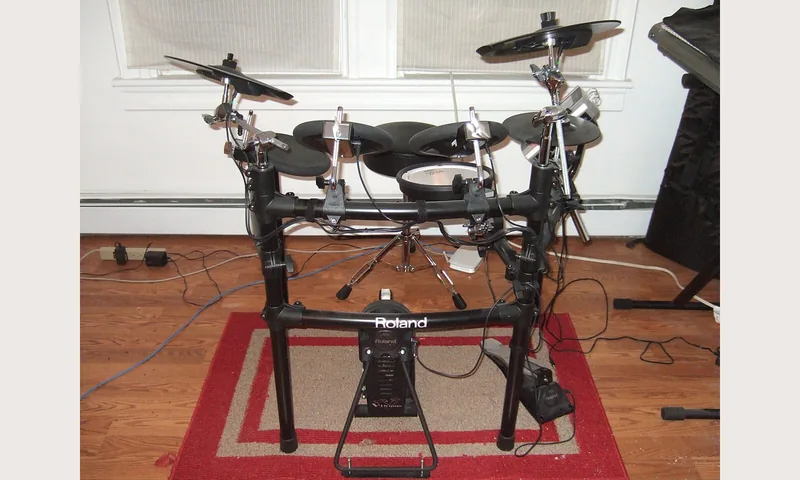
Stop one drum pad triggering another
Separate mechanical vibration from module crosstalk settings.
Read the guide