Set a drum trigger threshold without losing ghost notes
Separate quiet intentional hits from unwanted trigger noise.
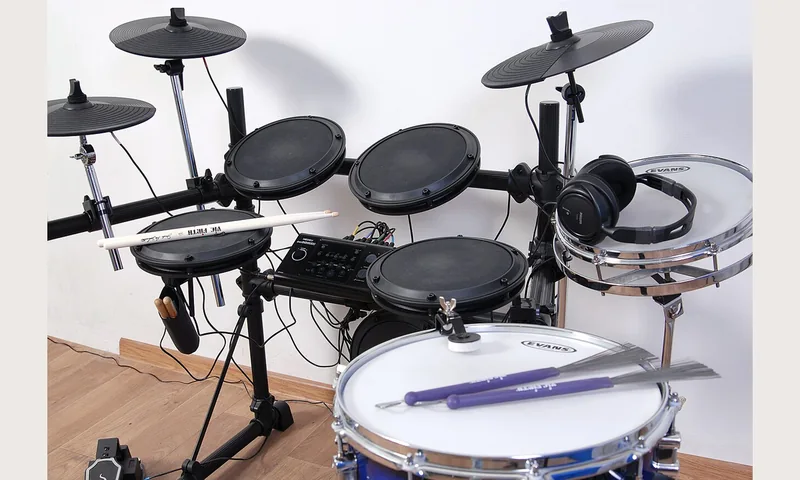
The short answer
Threshold determines which incoming pad signals count as hits. It is different from a velocity curve, which shapes the strength of accepted hits. Raising the threshold can silence vibration, but it can also erase quiet playing before a curve ever gets a chance to help.
What to do
- Save the current kit and trigger settings. Select the correct pad type before changing its threshold, and note the original value.
- Play twenty deliberately quiet single strokes, then leave the pad untouched while playing nearby pads. Count missed notes separately from unwanted hits.
- Raise the threshold only one small step if resting vibration triggers the pad. Repeat both tests and restore the previous value if ghost notes disappear.
Decide which fault you are measuring
A pad that misses quiet strokes needs a different decision from one that fires when its neighbour is struck. If no setting passes both tests, check mounting contact and cable seating before making sensitivity extreme. Keep the same sticks and playing position during comparison so the input is repeatable.
Check the result
Quiet intended strokes register consistently and nearby normal playing does not create extra notes. Save the working setting and confirm it in an actual groove.
Know the limits
Names and adjustment ranges differ by module. This procedure does not repair a damaged sensor; follow your module manual and avoid opening the pad.
Further reading
Sources for the connections and technical principles discussed above. The diagnostic sequences are our editorial explanation. Consult the manual for your exact model before changing hardware or settings.
- Roland TD-27 reference manual: connections, settings and care
- Roland: troubleshooting double triggering
These are general educational guides, not hands-on product reviews. How we prepare our content. Cover photo source & license.
Keep working on your setup
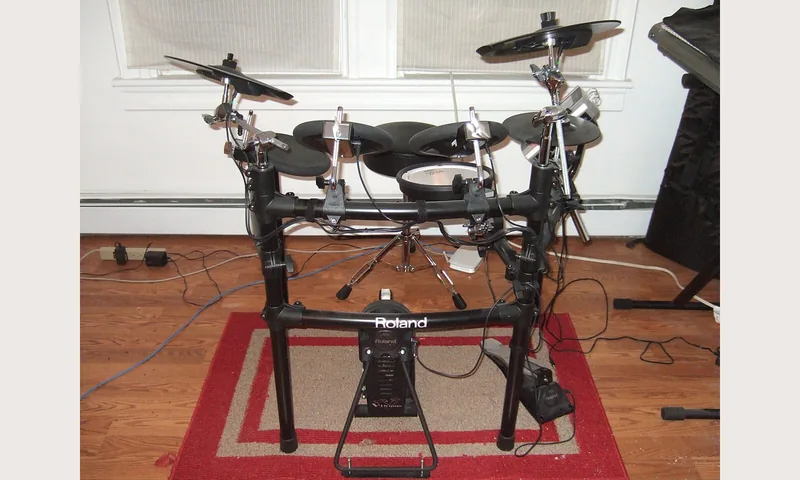
Test a suspect drum pad cable before replacing the pad
Use a controlled cable swap to locate intermittent trigger faults.
Read the guideKeep fast drum rolls when adjusting retrigger cancellation
Distinguish sensor after-vibration from deliberate repeated hits.
Read the guide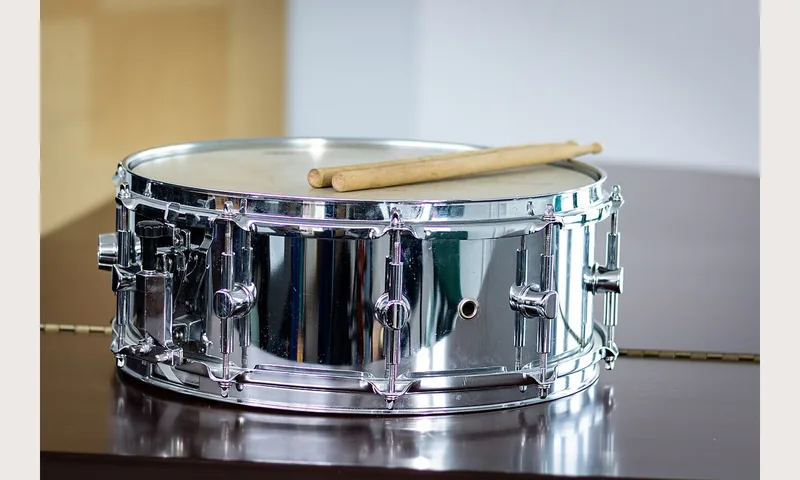
Check whether an electronic kit supports brush sweeps
Find the difference between brush impact sounds and continuous sweep sensing.
Read the guide