Store and transport cymbals without edge contact
Keep cymbals separated and protected from hard knocks while packing and storing them.
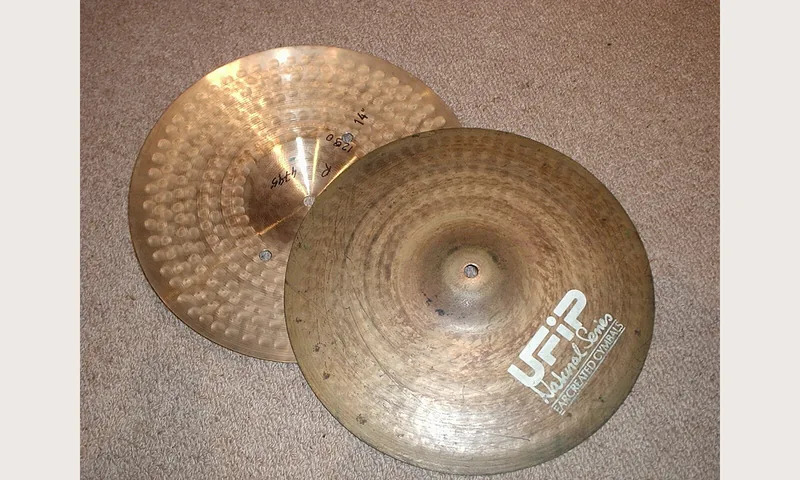
The short answer
A suitable cymbal bag or case should separate the instruments and prevent concentrated pressure on their edges. Pack them dry, use the intended dividers and centre support, and secure the case so it cannot fall or take the weight of unrelated heavy equipment.
What to do
- Inspect the bag or case for worn padding, damaged closures and exposed hard parts.
- Wipe away moisture with a suitable soft cloth and check the edges for damage before packing.
- Place each cymbal in its intended compartment or between protective dividers. Follow the case design for order and centre support.
- Close the case without forcing it and keep accessories from pressing against cymbal surfaces.
- Transport and store it in a stable position where it cannot fall or be crushed, then inspect the cymbals during unpacking.
Protect the smallest cymbal too
Small splash cymbals can disappear between larger instruments if the divider system does not contain them properly. Use the compartment or sleeve intended for their size. Avoid placing them loose with wing nuts, clutches or tools. A tidy hardware pouch should not become a hard object pressed against the cymbal bow.
Choose storage for stability
A cymbal case left where it can tip is still vulnerable even if its padding is good. Use a stable location away from foot traffic, water and excessive heat. Follow the case maker's orientation guidance when provided. Do not rely on an unsupported edge against a wall as a long-term arrangement for bare cymbals.
Inspect while unpacking
Check the centre holes, surfaces and edges before mounting, especially after a rough journey. If a new mark or suspected crack appears, document it before playing. Inspect stand sleeves and felts at the same time so careful transport is followed by equally careful mounting. The protective routine ends when the instrument is safely back on its stand.
Check the result
The cymbals should remain separated, dry and supported, with no new edge marks or pressure from loose hardware.
Know the limits
Do not assume every bag protects against heavy loads. A padded soft bag and a rigid case provide different protection; follow their intended use and capacity.
Further reading
Sources for the connections and technical principles discussed above. The diagnostic sequences are our editorial explanation. Consult the manual for your exact model before changing hardware or settings.
These are general educational guides, not hands-on product reviews. How we prepare our content. Cover photo source & license.
Keep working on your setup
Transport an electronic drum kit safely
Document connections and protect sockets, mesh and moving parts.
Read the guide
Position bass drum damping with light head contact
Use a stable, minimal amount of internal damping and compare where it touches.
Read the guide
Clean cymbals according to their finish
Choose a cleaning method that suits the cymbal rather than using one polish on every surface.
Read the guide