Install an acoustic hi-hat clutch securely
Attach the upper hi-hat cymbal with room to move and a secure connection to the pull rod.
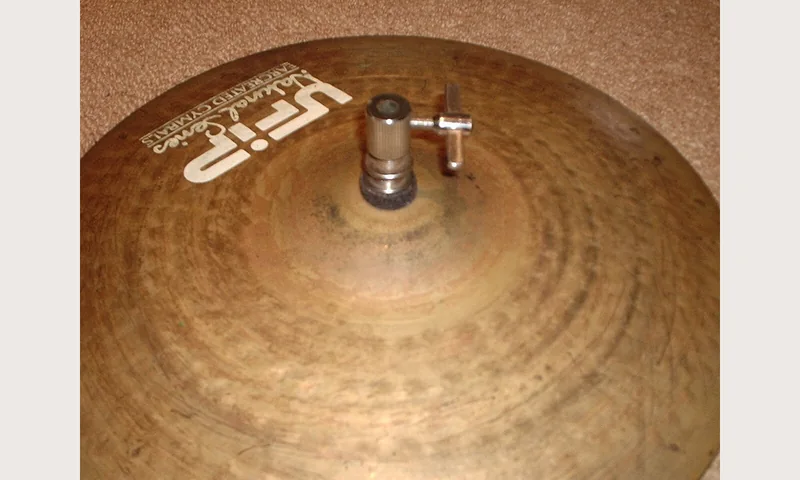
The short answer
A hi-hat clutch must hold its position on the rod while allowing the cymbal the movement its design expects. Assemble the correct washers, felts and nuts in the intended order, then test the closed and open sounds before playing a full passage.
What to do
- Identify the clutch model and check its assembly diagram. Inspect threads, locking parts and felt condition.
- Fit the upper cymbal in the correct orientation between its intended contact pieces. Keep metal edges away from the cymbal hole.
- Adjust the cymbal holding nuts to allow appropriate movement, then engage the locking arrangement without crushing the cymbal.
- Place the clutch on the pull rod and set a useful opening with the pedal in its normal resting position.
- Tighten the rod clamp securely and test foot closures, open notes and ordinary stick playing.
Distinguish two adjustments
The hardware holding the cymbal and the screw holding the clutch to the rod perform different jobs. A secure rod clamp does not require the cymbal itself to be pinched immovably. Inspect each adjustment separately. If the cymbal tilts or rattles, check its contact pieces; if the entire clutch slides down the rod, check the rod clamp and thread condition.
Set opening by the passage
A wide gap can produce a long open sound but demands more pedal movement. A smaller opening may make short accents easier to control. Test the music you play, including closed notes, brief openings and foot sounds. Keep the starting opening documented so an experiment can be reversed quickly.
Recheck after transport
Repeated assembly can loosen a retaining nut or wear a felt. Inspect the stack whenever you set up. Keep small clutch pieces together in a dedicated pocket so a missing washer is not replaced by an improvised sharp part. If a locking component fails to hold after correct assembly, replace it with a suitable part before relying on it during a performance.
Check the result
The clutch should remain on the rod, the cymbal should move as designed, and repeated foot closures should return a consistent closed sound.
Know the limits
Clutch designs vary, including quick-release and drop systems. Do not copy a nut arrangement from a different model or use excessive clamp force to compensate for worn parts.
Further reading
Sources for the connections and technical principles discussed above. The diagnostic sequences are our editorial explanation. Consult the manual for your exact model before changing hardware or settings.
These are general educational guides, not hands-on product reviews. How we prepare our content. Cover photo source & license.
Keep working on your setup

Set acoustic hi-hat height for relaxed stick access
Place the cymbals where you can play them without raising your shoulder or colliding with the snare hand.
Read the guide
Set an electronic hi-hat pedal correctly
Calibrate the mechanism before adjusting the sound.
Read the guide
Use bottom hi-hat tilt to improve foot closure
Compare a small lower-cymbal tilt while preserving a stable seat and comfortable pedal action.
Read the guide