Clean cymbals according to their finish
Choose a cleaning method that suits the cymbal rather than using one polish on every surface.
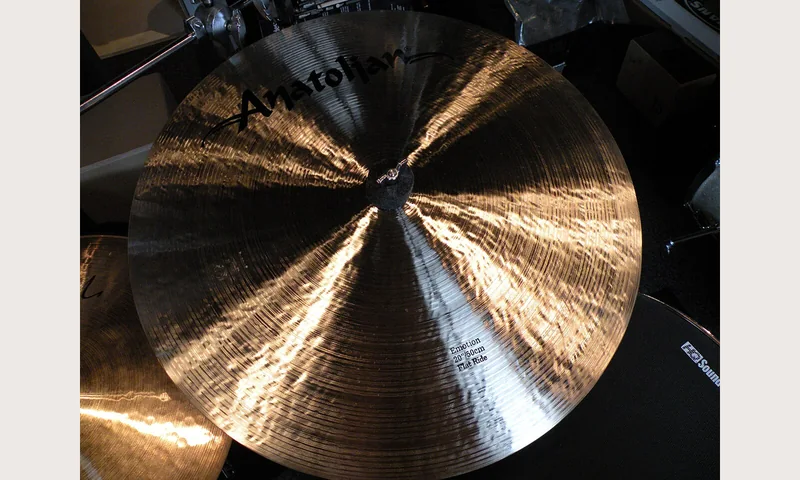
The short answer
Cymbal finishes and protective treatments differ. Identify the model and follow its maker's cleaning guidance before applying a product. Begin with gentle dust removal, and remember that changing appearance is optional if the instrument is functioning well.
What to do
- Identify the cymbal maker, model and finish. Check for special instructions about raw surfaces, coatings and printed markings.
- Place the cymbal securely on a clean soft surface and remove loose dust with a suitable soft cloth.
- If the manufacturer permits a cleaner, test and apply it exactly as directed, avoiding logos where the guidance requires.
- Remove residue and dry the cymbal thoroughly using the recommended method.
- Inspect the centre hole and edge while the cymbal is off its stand, then reinstall with intact sleeves and felts.
Decide what needs cleaning
Dust, fingerprints and intentional patina are different concerns. If appearance is the only issue, consider whether polishing is worth a permanent cosmetic change. Ask the maker about an uncertain finish before treating it. Avoid claims that a particular cleaner will universally restore tone; the result depends on the instrument and its condition.
Keep products off other equipment
Work away from drumheads, wood finishes and pedal surfaces. A product intended for one metal surface may mark another material or leave slippery residue. Use a dedicated cloth and follow any handling instructions on the product. Reinstall the cymbal only after the cleaning process is complete so residue does not reach felts or hardware.
Build inspection into cleaning
With the cymbal removed, inspect the hole, bow and edge in good light. Look for a line that catches the light, an irregular edge or wear at the mounting hole. If a suspected crack appears, document it and ask the maker or a repair specialist before continuing to play. Polishing over the area does not establish whether the instrument is sound.
Check the result
The cymbal should be dry and free of cleaning residue, with its finish and markings treated in accordance with the maker's instructions.
Know the limits
Do not assume household abrasives, acids or metal polish suit a cymbal. Cleaning cannot repair a crack, and aggressive polishing may permanently alter its surface or markings.
Further reading
Sources for the connections and technical principles discussed above. The diagnostic sequences are our editorial explanation. Consult the manual for your exact model before changing hardware or settings.
These are general educational guides, not hands-on product reviews. How we prepare our content. Cover photo source & license.
Keep working on your setup
Store and transport cymbals without edge contact
Keep cymbals separated and protected from hard knocks while packing and storing them.
Read the guide
Build a clean electronic drum user kit
Create a focused starting kit that is easy to balance and recall.
Read the guide
Finish a short musical idea
Limit the project until it has an ending.
Read the guide