Re-enter after stop-time without guessing the gap
Keep the phrase moving internally while the drum part rests and return at the agreed position.
The short answer
A stop-time passage leaves deliberate spaces between played events. Mark the final note before the gap and the exact re-entry point, then continue counting through the silence. Begin with a short fixed gap and practise it with the surrounding phrase so the entrance sounds prepared rather than reactive.
What to do
- Play one bar of a simple groove, one bar of silence and one bar of groove with a steady click. Count aloud throughout.
- Choose a final accent before the silent bar. Keep its timing and the following rest length identical on each repetition.
- Record several cycles and listen to the re-entry without looking at the waveform. Check whether it sounds early, late or hesitant.
- Practise a longer phrase with the same fixed gap, then follow an agreed external cue if the arrangement requires one.
Map the boundary events
Write the last played note and the first returning note using beat positions. A stop after beat four differs from an accent on the next one followed by silence. Naming those events prevents two players from counting different gap lengths. Practise the two boundary notes with a click before restoring the complete groove on either side. The silence belongs to the arrangement just as much as the attacks.
Keep time without visible overcorrection
Quiet counting or a small internal pulse can help maintain the gap. Avoid a large movement that makes noise when the arrangement calls for silence. If you lose the count, shorten the gap for practice and build it again. A silent interval is not a pause of unknown length unless the music explicitly makes it one; fixed rests keep their duration.
Separate a fixed rest from a cued return
In some arrangements the return happens after a written number of beats. In others, a singer, conductor or bandleader decides when to resume. Practise the appropriate task. For a fixed gap, use the count as the reference. For a free pause, watch or listen for the agreed cue and clarify any preparatory gesture. Guessing at a free entrance is different from maintaining a measured rest.
Check the result
The last accent and re-entry should keep their stated positions across repeated attempts. During a fixed gap, the return should meet the continuing pulse without an added breath or catch-up stroke.
Know the limits
This exercise assumes a measured rest unless a cue is explicitly introduced. Do not apply a fixed beat count to a fermata or free pause that the ensemble intends to shape differently.
Further reading
Sources for the connections and technical principles discussed above. The diagnostic sequences are our editorial explanation. Consult the manual for your exact model before changing hardware or settings.
- Yamaha: How to Get the Most Out of Your E-Drum Metronome
- Yamaha: Practice Exercises for the Beginning Drummer
These are general educational guides, not hands-on product reviews. How we prepare our content. Cover photo source & license.
Keep working on your setup
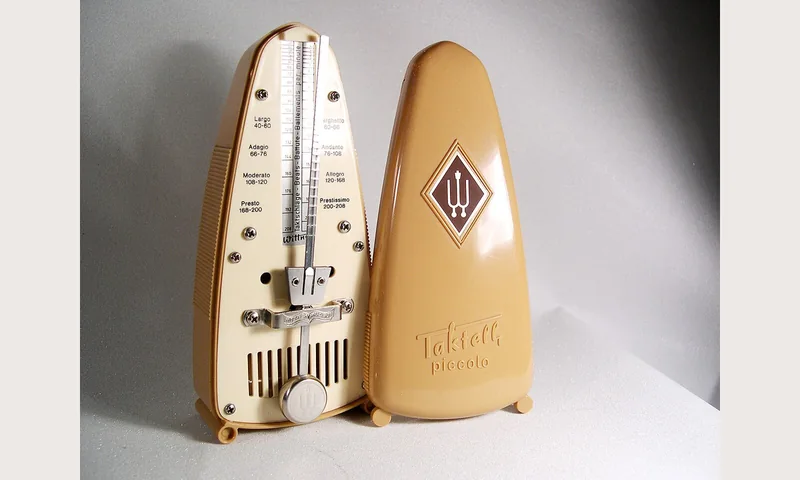
Enter a half-time feel without changing the tempo
Space the backbeat more widely while preserving the original quarter-note pulse and bar count.
Read the guide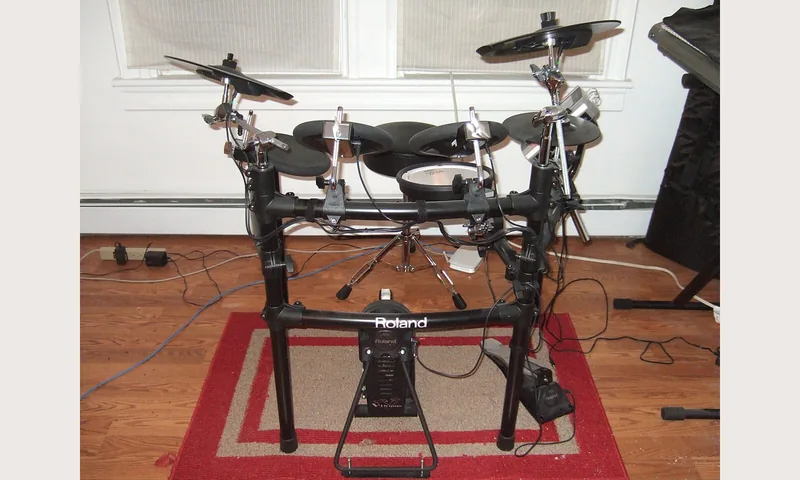
Stop one drum pad triggering another
Separate mechanical vibration from module crosstalk settings.
Read the guide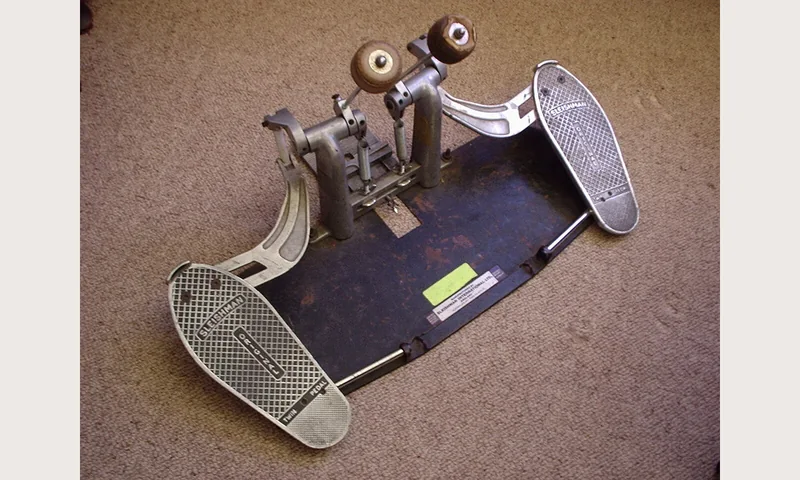
Stop a bass drum pedal from creeping
Identify whether the pedal, bass drum or floor covering is moving before changing the setup.
Read the guide