Balance snare wire tension for quiet and loud notes
Find the wire setting that responds to light strokes without shortening the drum excessively.
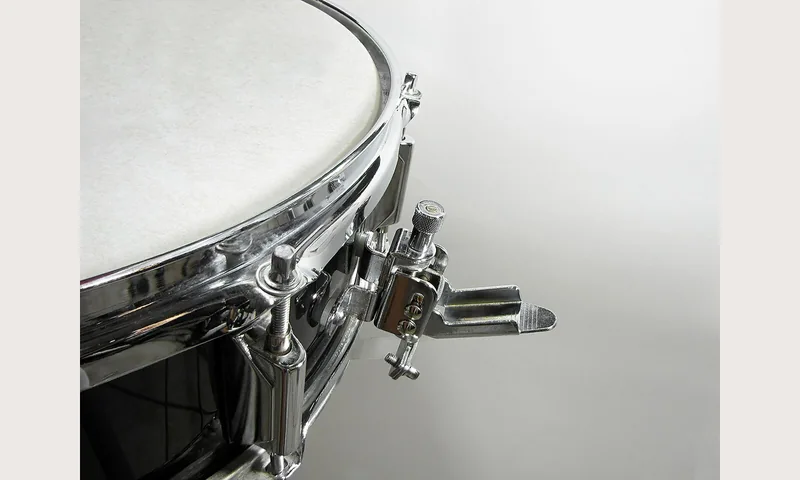
The short answer
Snare wire tension is a balance. Too little can leave a loose, prolonged rattle; too much can suppress the response you wanted. Start with correctly attached, centred wires and adjust while playing the quietest notes that matter to the part.
What to do
- Check the batter tuning with the wires disengaged. Make sure the drum has a useful open voice before using wire tension to change its character.
- Inspect both wire ends and the attachment straps or cords. They should sit securely and follow the strainer design without twisting.
- With the strainer engaged, loosen the adjustment gradually until the response becomes obviously slack. Tighten in small steps while playing light centre strokes.
- Add backbeats and a short roll at your ordinary playing level. Listen for a clean start to quiet notes and a tail that fits the music.
- Disengage and re-engage the strainer several times, then confirm the same response returns without slipping.
Start with the smallest notes
A loud hit can make almost any wire setting react, which hides lost sensitivity. Play quiet single strokes and a slow double before adding accents. If a slight loosening restores those notes without an excessive rattle, it may be a better compromise. Judge the response from the stool and a short distance away because the wire sound is particularly prominent underneath the drum.
Do not use tension to solve every buzz
A nearby tom, a speaker or a low note from another instrument can excite the wires. Some sympathetic response is normal. Tightening until that disappears may damage the sound of every deliberate snare note. Identify the triggering source and experiment with the smallest relevant tuning or placement change before sacrificing the entire snare response.
Check attachment travel
The adjustment knob needs useful travel in both directions. An attachment installed too tightly can make the wires tense even when the knob is backed off. One installed too loosely may never reach a clean response. Follow the strainer instructions for initial positioning and support the wire assembly during adjustment. Do not let an end plate scrape across the delicate bottom head.
Check the result
The wires should speak on light notes and remain controlled on accents. The engaged drum should still have body, and the strainer should switch reliably without needing force.
Know the limits
If the knob reaches its limit, reset the attachment according to the drum manual instead of forcing it. Damaged wires, unsuitable straps or misaligned end plates cannot be corrected with tension alone.
Further reading
Sources for the connections and technical principles discussed above. The diagnostic sequences are our editorial explanation. Consult the manual for your exact model before changing hardware or settings.
These are general educational guides, not hands-on product reviews. How we prepare our content. Cover photo source & license.
Keep working on your setup

Place ghost notes beneath a clear snare backbeat
Add quiet snare notes that give the groove motion while leaving the main backbeats clear.
Read the guide
Control accents while the quiet notes stay quiet
Practise dynamic contrast without letting the accent drag neighbouring notes out of time.
Read the guide
Tune a snare batter head evenly
Build a consistent snare batter tuning before adding wires, damping or extra tension.
Read the guide