Begin brush playing with a continuous snare sweep
Build an even brushing texture before adding taps or a more complicated pattern.
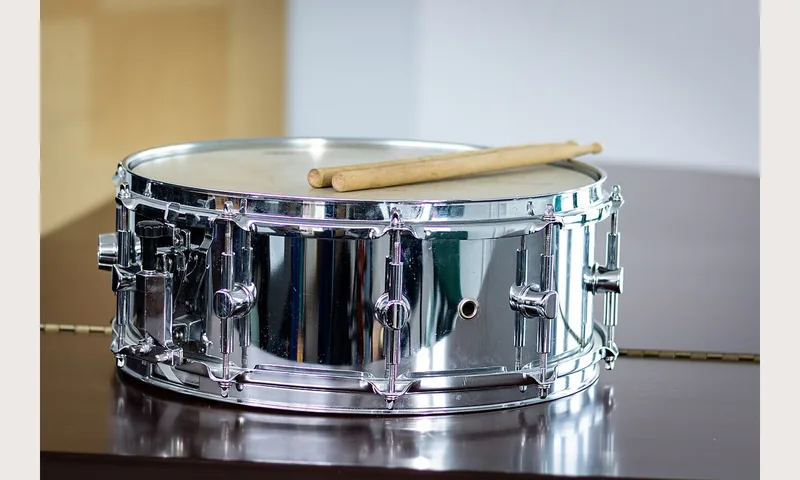
The short answer
Begin with a light continuous brush motion across a suitable snare head. Listen for smooth contact and an even texture through changes of direction. Add a simple pulse only after the sweep is steady, so the new accent does not create an unintended gap in the underlying sound.
What to do
- Open the brush to a comfortable width and make a gentle sweep on the snare. Check that the head surface produces the texture you want.
- Repeat a small circular or rounded path slowly. Listen at each change of direction and reduce pressure if the sound catches.
- Keep the sweep going while counting quarter notes. Add a light tap with the other brush on beats two and four.
- Record a short section, then remove the taps and compare the sweep alone. Work on any gap caused by the second hand.
Start with texture rather than speed
A brush sweep is a sustained sound made from many light contacts. At first, concentrate on how evenly that texture continues around the path. An overly large motion can make the turning points difficult to control. Explore a smaller comfortable path and gentle pressure before asking for a faster tempo or louder sound. The useful reference is what you hear, not a diagram copied at full size.
Separate sweep and accent roles
The sweeping hand supplies continuity while the tapping hand supplies a clear pulse in this introductory pattern. Practise each role alone, then combine them for only a few beats. If the sweep stops whenever the tap occurs, return to a slower count and make the tap smaller. You can explore other role divisions later; one simple allocation makes the first coordination problem easier to hear.
Use the drum as part of the instrument
Brush response depends on the head texture, tuning, brush material and contact area. Compare a few nearby areas without changing every variable at once. Keep microphones or recording placement constant when judging the result. A phone recording can reveal large gaps, but its noise processing may alter a quiet continuous sweep, so listen directly to the instrument as well.
Check the result
The sweep should sound continuous through the path and beneath the added taps. The taps should occupy their chosen beats without a sudden increase in sweep pressure or a break in contact.
Know the limits
This is one introductory texture, not a complete brush style. Wire brushes can catch damaged surfaces or fabrics; inspect the playing surface and use gentle movements while establishing control.
Further reading
Sources for the connections and technical principles discussed above. The diagnostic sequences are our editorial explanation. Consult the manual for your exact model before changing hardware or settings.
These are general educational guides, not hands-on product reviews. How we prepare our content. Cover photo source & license.
Keep working on your setup
Tune a snare batter head evenly
Build a consistent snare batter tuning before adding wires, damping or extra tension.
Read the guide
Balance snare wire tension for quiet and loud notes
Find the wire setting that responds to light strokes without shortening the drum excessively.
Read the guide
Centre a set of snare wires under the drum
Align replacement snare wires so both ends pull straight and the strainer has room to adjust.
Read the guide