Open and close the hi-hat on a chosen subdivision
Coordinate a short hi-hat opening with a definite closing point instead of leaving an uncontrolled wash.
The short answer
A hi-hat opening has both an onset and an ending. Choose when the hand strikes the open cymbals and when the foot closes them. Learn those two points slowly before fitting the effect into a full groove, using a small, comfortable change in pedal pressure.
What to do
- Begin with steady closed eighth notes. Check that the stand is stable and that the closed sound is consistent at moderate force.
- Choose the and of four as the open note and beat one as the closing point. Count 4 and 1 while lifting and closing the pedal slowly.
- Add the hand strike on the open and, then close on one. Repeat with rests so the length of the open sound is easy to hear.
- Insert the same opening once every two bars of a simple groove. Record the close and the following backbeat to check recovery.
Treat the foot as a timed musical part
The foot does more than release pressure. Its closing point determines the length and character of the sound. Practise just the foot movement while counting, then add a single hand strike. If the cymbals close before the strike, the intended open note becomes a closed tick; if they stay open too long, the wash can obscure the next beat. Name both events in the count.
Use only the opening you need
A small separation may provide enough change in tone for the phrase. A large lift is not automatically more expressive and can make an accurate close harder. Follow the stand or electronic-pedal setup guidance before treating inconsistent sounds as a coordination error. Once the basic effect works, compare a shorter opening with a longer one at the same tempo and choose the musical result deliberately.
Keep the other limbs steady
When the hi-hat foot moves, the bass drum or snare may unintentionally move with it. Add the kick and backbeat one at a time. Record a few bars and listen for extra bass-drum notes, missing snare notes or a delayed beat one. A sparse groove makes these side effects easier to identify than a dense fill immediately before the opening.
Check the result
The open strike and closing sound should occur at their planned count positions, and the regular closed pattern should resume without hesitation. The bass drum should remain independent of the hi-hat-foot movement.
Know the limits
Electronic hi-hat behaviour depends on calibration and supported hardware. A poorly calibrated pedal can obscure a good physical movement. Keep stand adjustment and playing practice as separate checks.
Further reading
Sources for the connections and technical principles discussed above. The diagnostic sequences are our editorial explanation. Consult the manual for your exact model before changing hardware or settings.
These are general educational guides, not hands-on product reviews. How we prepare our content. Cover photo source & license.
Keep working on your setup
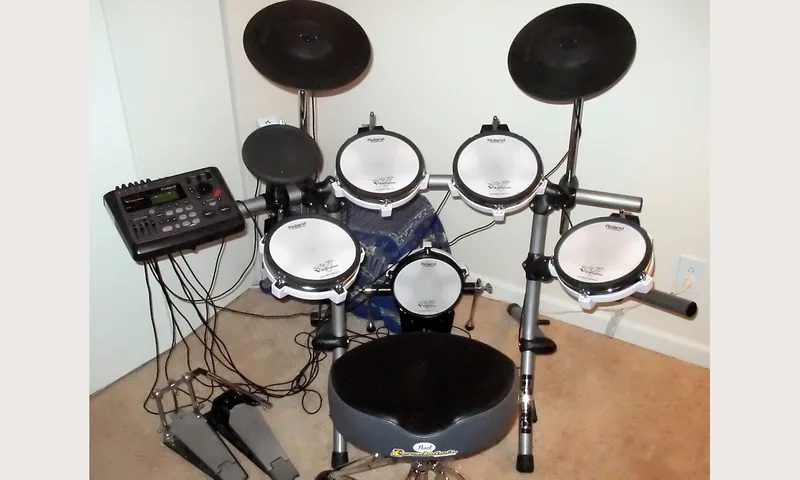
Set an electronic hi-hat pedal correctly
Calibrate the mechanism before adjusting the sound.
Read the guide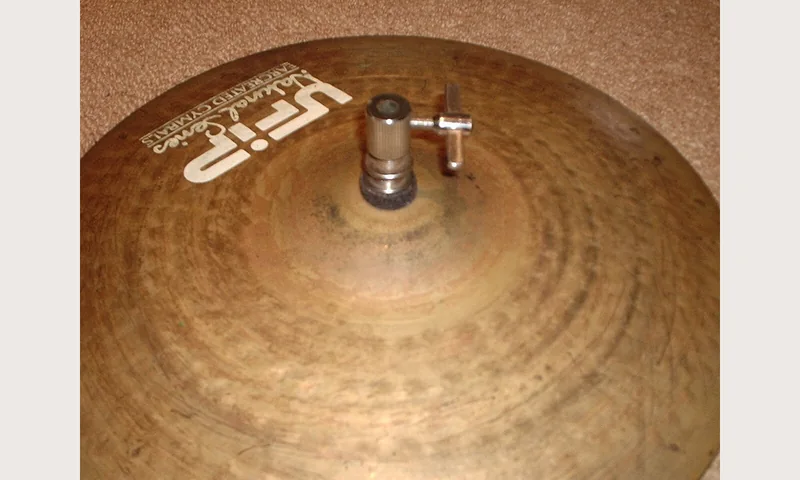
Install an acoustic hi-hat clutch securely
Attach the upper hi-hat cymbal with room to move and a secure connection to the pull rod.
Read the guide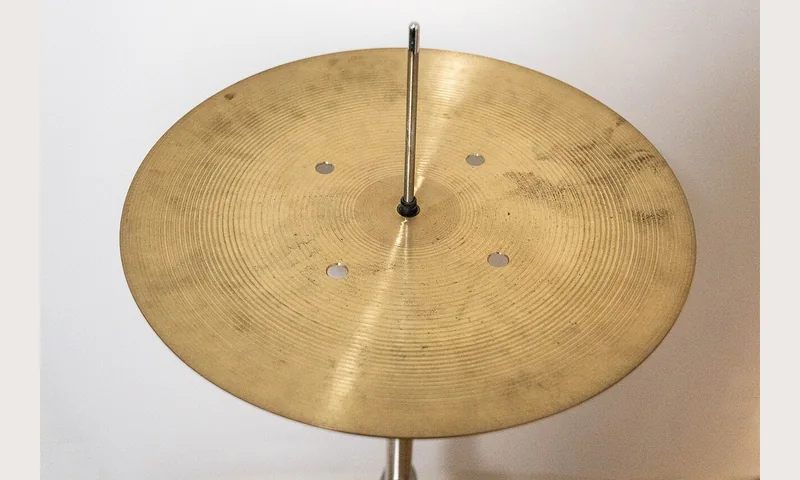
Use bottom hi-hat tilt to improve foot closure
Compare a small lower-cymbal tilt while preserving a stable seat and comfortable pedal action.
Read the guide