Replace a snare-side head without over-tensioning it
Handle the delicate lower head as a separate component from the snare batter.
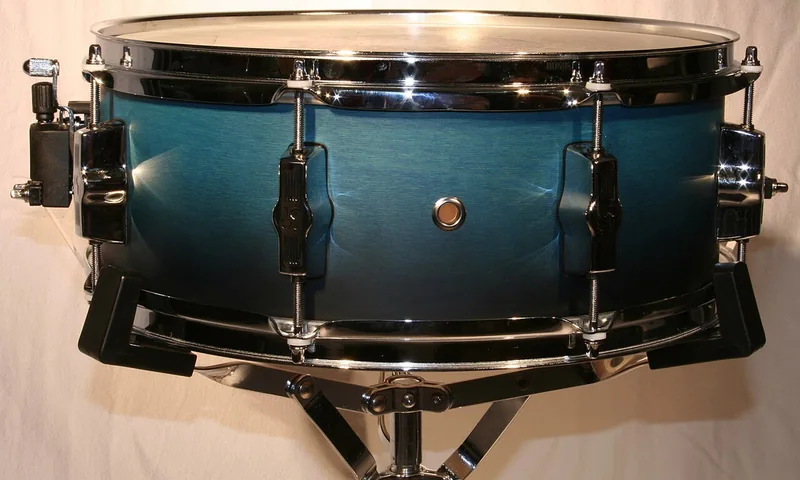
The short answer
A snare-side head is designed for the bottom of a snare and needs careful handling. Fit the right type, bring it up evenly, and judge its interaction with the wires. Copying batter-head tension by feel can be misleading because the film and role are different.
What to do
- Photograph the wire attachments, disengage the strainer and remove the wires according to its instructions. Keep tools and wire ends away from the exposed film.
- Loosen opposing rods gradually. Remove the hoop and head, then wipe loose dust from the bearing edge with a soft dry cloth.
- Seat a correctly sized snare-side head and orient the hoop opening to clear the strainer and butt plate. Start every rod by hand.
- Add small, even increments while comparing the areas around the drum. Do not press into the centre to stretch the thin film.
- Refit and centre the wires, set a moderate working response, and test light notes and backbeats before making further adjustments.
Respect the snare beds
The shallow contours under the wire ends are part of the shell design. Their effect can make the local appearance and response differ from a simple tom head. Do not sand them to make the edge look uniform. If a replacement head behaves strangely in those areas, check seating, hoop orientation and the correct parts first. Structural changes belong with a qualified repairer.
Separate head and wire changes
If you replace both the head and wire set at once, keep notes so you know which adjustment produced a change. Establish an open drum sound first, then fit the wires and work on their response. An especially dry or choked result does not automatically mean the bottom head needs still more tension. Wire tension can produce a similar impression.
Check after settling
Play briefly, then inspect the attachments and repeat the same quiet-stroke test. New components may need small settling adjustments. Avoid making an aggressive correction immediately after one unusual note. Compare several strokes and look for a repeated problem, such as one edge remaining slack or a wire plate moving, before deciding what to change.
Check the result
The head should sit evenly without visible damage, the wires should engage consistently, and the drum should retain both sensitivity and body.
Know the limits
Use a designated snare-side head, not a normal tom resonant head or a snare batter. A damaged bearing edge, distorted hoop or incompatible wire set needs attention before more tension is applied.
Further reading
Sources for the connections and technical principles discussed above. The diagnostic sequences are our editorial explanation. Consult the manual for your exact model before changing hardware or settings.
These are general educational guides, not hands-on product reviews. How we prepare our content. Cover photo source & license.
Keep working on your setup
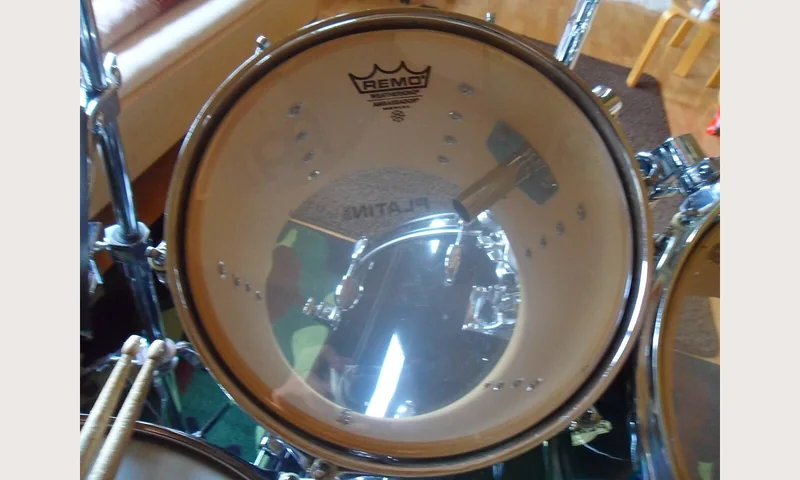
Replace a tom batter head without losing your starting sound
Keep a useful tuning reference while replacing a worn tom head and checking the parts underneath.
Read the guide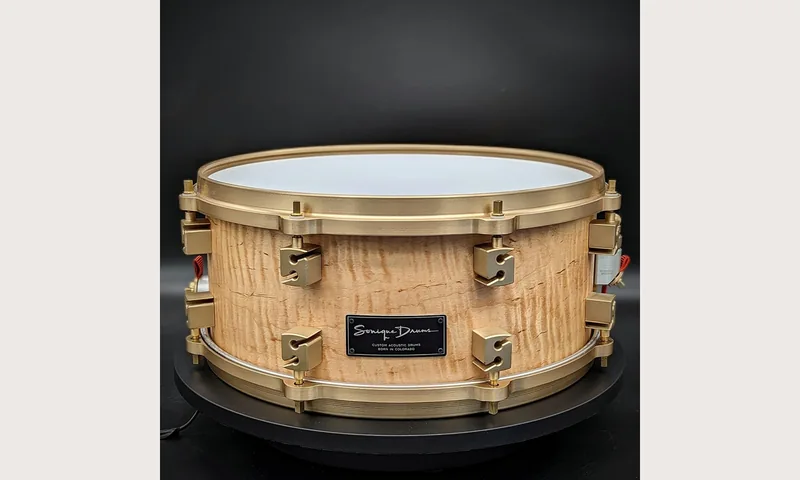
Tune a snare batter head evenly
Build a consistent snare batter tuning before adding wires, damping or extra tension.
Read the guide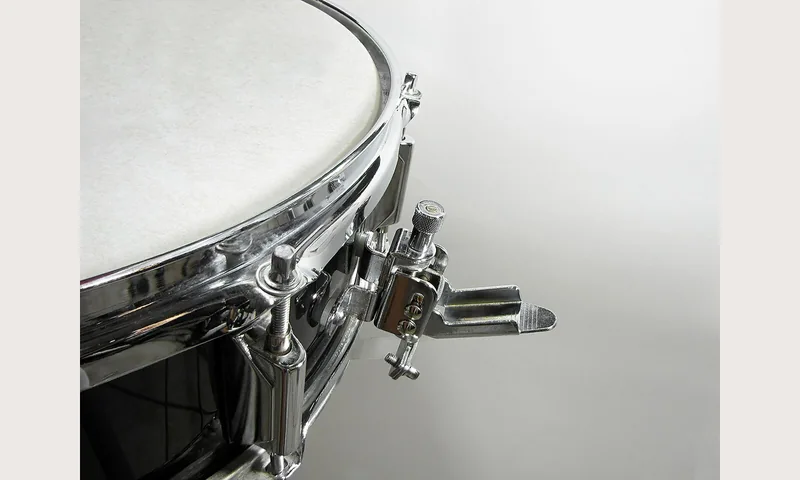
Balance snare wire tension for quiet and loud notes
Find the wire setting that responds to light strokes without shortening the drum excessively.
Read the guide