Transport an electronic drum kit safely
Document connections and protect sockets, mesh and moving parts.
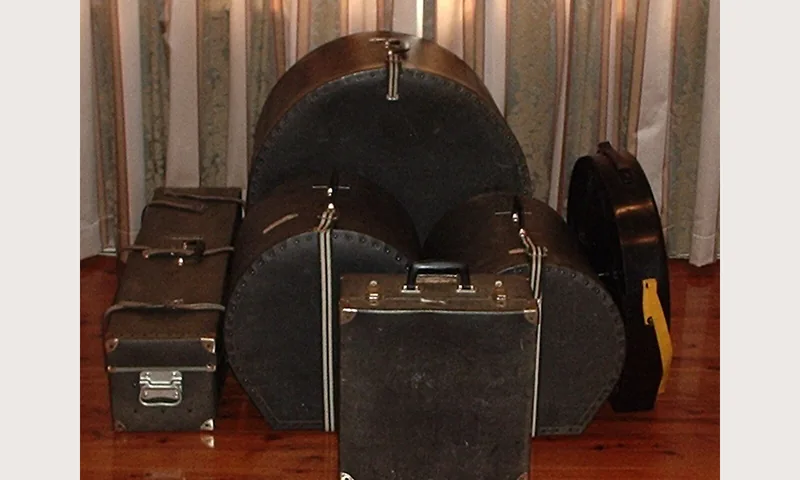
The short answer
Fast teardown is useful only if the kit works at the next session. A repeatable packing order prevents cable strain and missing hardware.
What to do
- Photograph the assembled kit and label both ends of detachable cables. Save module settings using its documented backup method.
- Power down, disconnect by the plug body and pack pads with surfaces protected. Keep loose metal hardware away from mesh heads.
- At the destination, assemble mechanically before connecting power. Check each pad and pedal at low monitoring volume.
Document before dismantling
Photograph the assembled kit and label both ends of removable cables with their function. Save module settings using the supported backup method if available. Make a parts checklist covering power supply, clamps, pedal hardware and headphones. Keep small fasteners in labelled bags rather than leaving them loose in a case, where they can scratch pads or disappear during setup.
Protect controls and connectors
Power down and unplug before packing. Remove plugs by their bodies, allow gentle cable coils and keep pressure off module knobs and protruding sockets. Separate hard metal stands from mesh heads, cymbal sensors and displays with suitable padding. Do not assume a soft gig bag prevents crushing when other equipment is stacked on top. Follow case and equipment weight limits when lifting or loading.
Rebuild before the performance starts
Allow enough time to check clamps and inspect cables after unloading. Use the original power supply and verify its local mains rating when travelling. Reconnect from your labels, then test every zone and hi-hat articulation at low level. A shifted pad position or pinched cable can look like a module fault. Keep the packing checklist for the return trip so accessories are not left behind.
Check the result
Run a short pad-by-pad test and confirm the intended kit and trigger preset before starting a rehearsal.
Know the limits
Do not lift a rack by attached cymbals or leave heavy parts resting on connectors. Temperature and moisture changes may require acclimatisation under the manufacturer's guidance.
Further reading
Sources for the connections and technical principles discussed above. The diagnostic sequences are our editorial explanation. Consult the manual for your exact model before changing hardware or settings.
- Roland TD-27 reference manual: connections, settings and care
- Roland: troubleshooting double triggering
These are general educational guides, not hands-on product reviews. How we prepare our content. Cover photo source & license.
Keep working on your setup
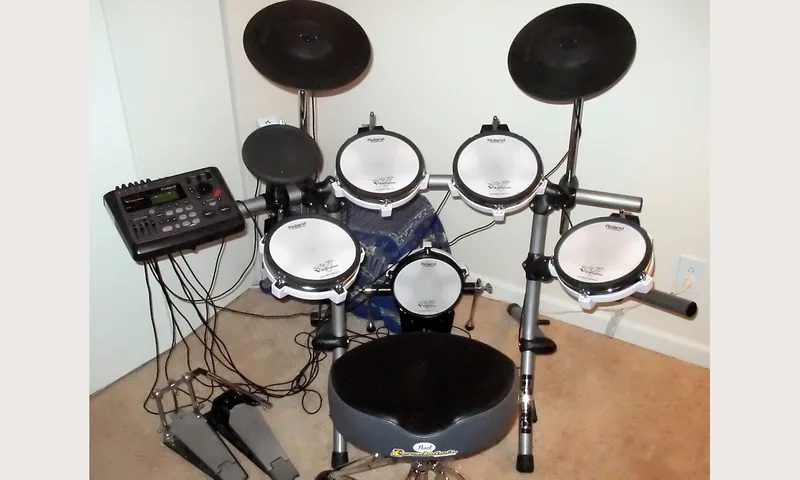
Set an electronic hi-hat pedal correctly
Calibrate the mechanism before adjusting the sound.
Read the guide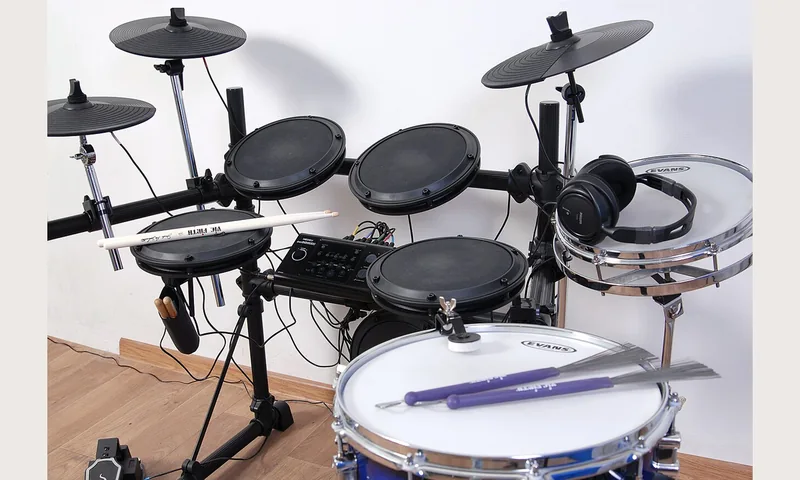
Fix double triggering on electronic drums
Isolate the pad, mounting and trigger settings before raising thresholds.
Read the guide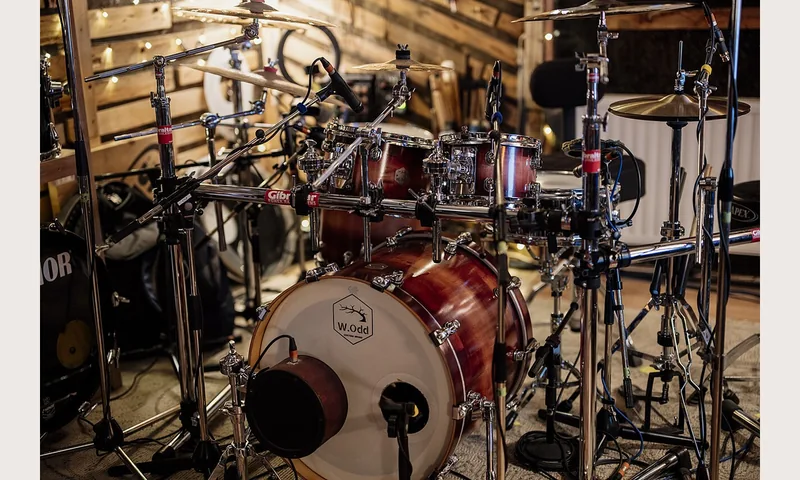
Build a drum practice recording setup
Capture the groove and the click in a way you can review.
Read the guide