Test a suspect drum pad cable before replacing the pad
Use a controlled cable swap to locate intermittent trigger faults.
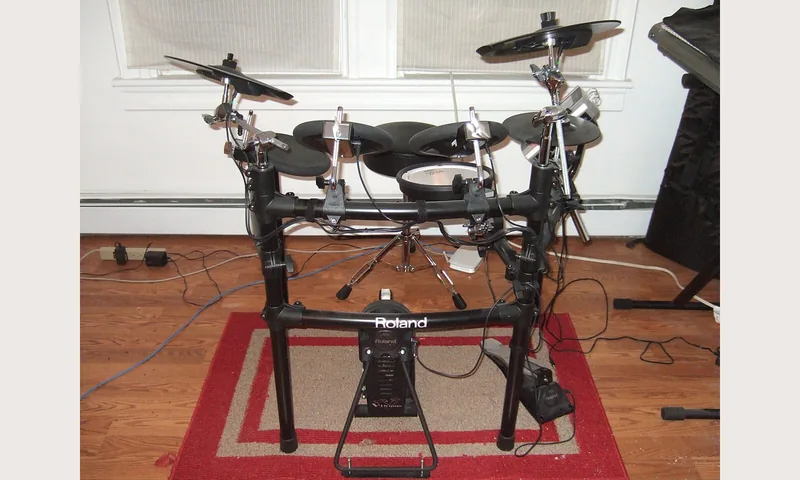
The short answer
An intermittent hit may originate in the pad, cable or module input. Swapping everything at once hides the evidence. Work through one known-good compatible cable and input while retaining the same trigger configuration wherever possible.
What to do
- Turn down monitoring and switch equipment off before reconnecting. Inspect both plugs for bending, debris and incomplete insertion.
- Use a known-good cable of the type required by the pad. Reconnect the suspect pad to its original input and test ordinary strokes.
- If the fault remains, compare a compatible known-good pad on that input. Record whether the fault follows the original pad, cable or input.
Keep the comparison compatible
A dual-zone pad may require a stereo TRS cable; a mono lead can remove a zone without either device being broken. Proprietary cable looms are not interchangeable with arbitrary jack leads. Photograph the original connections before moving them, and return trigger settings after the test.
Check the result
The result should isolate one component consistently across repeated gentle hits. A fault that changes randomly needs connector or hardware inspection, not a speculative purchase.
Know the limits
Do not force connectors, probe a powered socket or use an incompatible digital pad port. A damaged fixed loom may require manufacturer service.
Further reading
Sources for the connections and technical principles discussed above. The diagnostic sequences are our editorial explanation. Consult the manual for your exact model before changing hardware or settings.
- Roland TD-27 reference manual: connections, settings and care
- Roland: troubleshooting double triggering
These are general educational guides, not hands-on product reviews. How we prepare our content. Cover photo source & license.
Keep working on your setup
Set a drum trigger threshold without losing ghost notes
Separate quiet intentional hits from unwanted trigger noise.
Read the guideKeep fast drum rolls when adjusting retrigger cancellation
Distinguish sensor after-vibration from deliberate repeated hits.
Read the guide
Check whether an electronic kit supports brush sweeps
Find the difference between brush impact sounds and continuous sweep sensing.
Read the guide