Move a single paradiddle around the drum kit
Turn the sticking RLRR LRLL into a musical idea while keeping the underlying notes intact.

The short answer
A single paradiddle is RLRR LRLL, with the first four-note group mirrored in the second. Learn its spacing on one surface before moving it. Orchestration changes tone and travel distance; it should not change where the notes land in the bar.
What to do
- Play RLRR LRLL on the snare as even sixteenth notes. Speak the sticking slowly before adding a click. Keep the repeated-hand notes clear.
- Accent only the first stroke of each four-note group. Use lower, quieter strokes for the other notes and retain even spacing.
- Move the accented R to a tom and the accented L to another reachable surface. Leave all unaccented notes on the snare. Keep the pattern short enough to watch the return motion.
- Insert one bar of this pattern after three bars of a simple groove. Record the next downbeat to check that the fill arrives on time.
Establish the count before the route
At sixteenth-note speed, the eight strokes occupy two quarter-note beats. Count 1 e and a 2 e and a while playing one complete cycle. Repeat it across the bar instead of treating each cycle as a separate event. This makes it easier to place a two-beat fill at the end of a measure without accidentally adding another group.
Make the accent a planned destination
A clear accent can come from a higher preparation while the surrounding strokes remain low. Place the tom so the movement is comfortable and does not pull your body away from the snare. At first move only one accent per cycle. Once that route is reliable, move the second. Moving every stroke immediately makes it harder to identify the cause of a timing error.
Compare musical choices
Try the same sticking with all notes even, then with the first note of each group accented. Next keep those accents but change only the destination surface. These are three separate musical decisions: sticking, dynamics and orchestration. A short recording lets you hear which choice serves the groove. Keep the version that supports the phrase, even if the more elaborate route looks impressive.
Check the result
The pattern should retain eight even notes per cycle, audible repeated-hand strokes and a clean return to the next groove downbeat. The two tom accents should not rush simply because they are louder.
Know the limits
The R and L labels describe sticking, not a required dominant hand. Reverse the lead if useful. Avoid long reaches that disturb balance; a two-surface version is enough for the first musical application.
Further reading
Sources for the connections and technical principles discussed above. The diagnostic sequences are our editorial explanation. Consult the manual for your exact model before changing hardware or settings.
These are general educational guides, not hands-on product reviews. How we prepare our content. Cover photo source & license.
Keep working on your setup
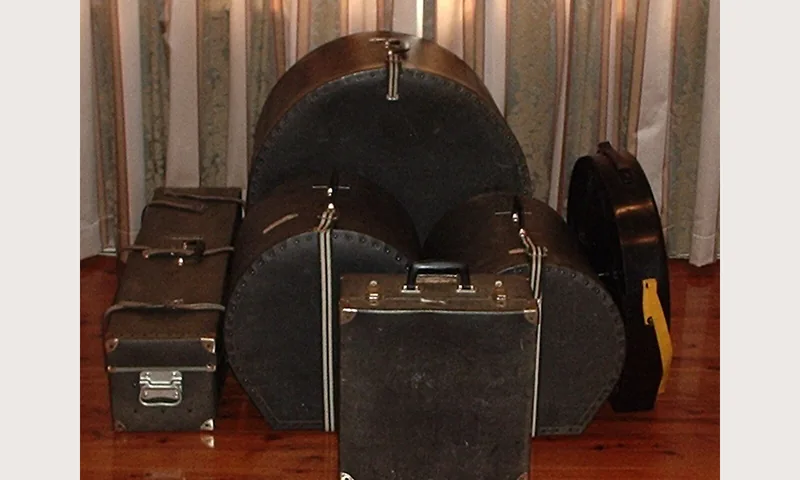
Transport an electronic drum kit safely
Document connections and protect sockets, mesh and moving parts.
Read the guide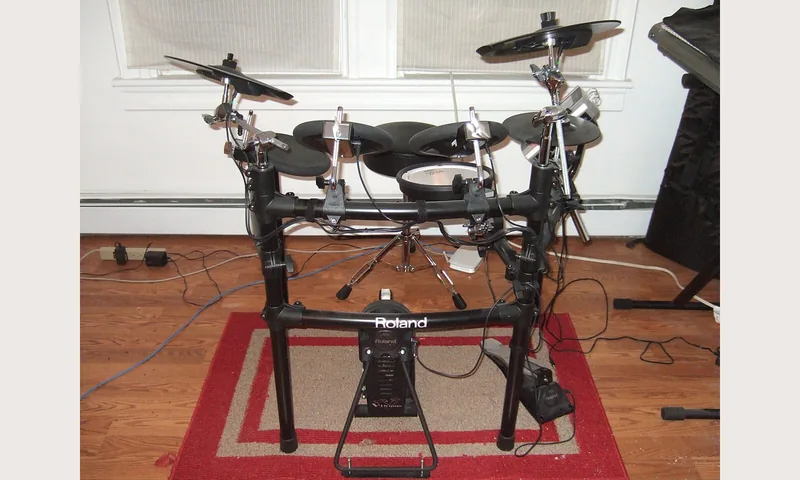
Map electronic drum MIDI notes to a software kit
Make every pad trigger the intended instrument before you start recording.
Read the guide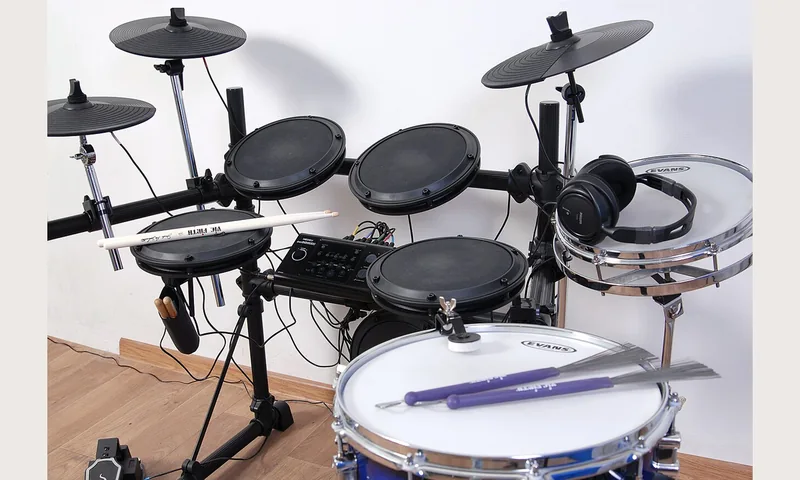
Prevent doubled drum sounds when using a virtual kit
Trace the duplicate signal instead of changing timing settings at random.
Read the guide