Inspect a used cymbal for cracks and hole wear
Use light, careful handling and a short playing test to inspect a second-hand cymbal.
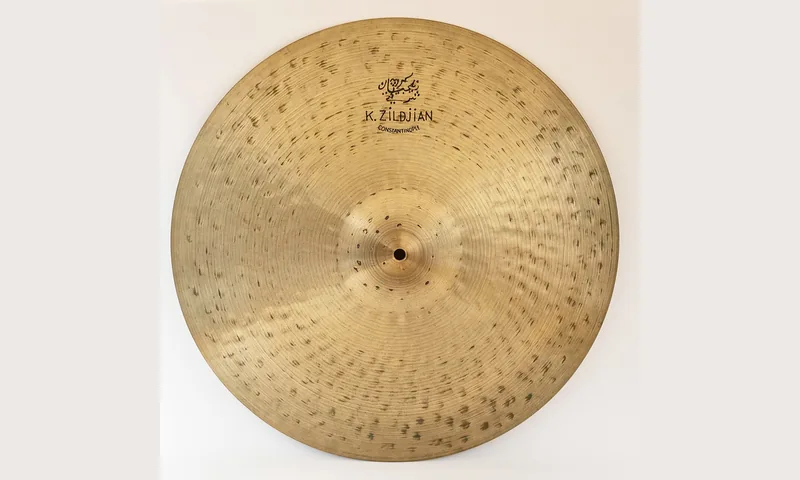
The short answer
Inspect a used cymbal before relying on how it sounds in a demonstration. Check the edge, both surfaces and mounting hole in good light, then play gently on a properly protected stand. An uncertain line or repair should be treated as a reason for further assessment.
What to do
- Ask the seller about model, history and any repairs, then inspect both surfaces under angled light.
- Look along the edge for small cracks, chips or uneven sections without dragging fingers over a potentially sharp area.
- Inspect the centre hole for elongation, cracks or wear caused by metal contact.
- Place the cymbal on a stand with an intact sleeve and felts. Play gentle strokes in several normal areas and listen for an unusual rattle.
- Photograph concerns and confirm replacement value or repair advice before committing to the purchase.
Use angled light
A fine crack can be easier to see when the light crosses the surface rather than shining straight down. Rotate the cymbal slowly and inspect both faces. Hammer marks and lathe grooves are normal features, but a line crossing them deserves closer attention. If the seller cannot provide time or light for a reasonable inspection, include that uncertainty in your decision.
Treat repairs as part of its history
A cut-out section, drilled hole or reshaped edge changes what you are buying. Ask who carried out the work and why, without assuming that every repair is either worthless or permanent. Judge the current sound and condition, and seek specialist advice if the purchase depends on a claim that the repair has stopped all future damage.
Compare the complete offer
Include shipping protection, return terms and any missing case in your own comparison. A used cymbal with undocumented damage should not be evaluated as if it were an undamaged example. Record the seller's description and your inspection notes. The purpose is a clear decision based on condition, not predicting a precise remaining lifespan.
Check the result
You should understand the visible condition, mounting-hole wear and any disclosed repair. A clean sound alone does not prove that the cymbal has no crack.
Know the limits
Do not flex the cymbal aggressively, file its edge or drill a suspected crack during inspection. A short visual check cannot guarantee the future life of a used instrument.
Further reading
Sources for the connections and technical principles discussed above. The diagnostic sequences are our editorial explanation. Consult the manual for your exact model before changing hardware or settings.
These are general educational guides, not hands-on product reviews. How we prepare our content. Cover photo source & license.
Keep working on your setup
Inspect a used acoustic drum shell before buying
Use a calm visual and playing inspection to distinguish cosmetic wear from expensive structural trouble.
Read the guide
Inspect drumsticks for wear before they damage heads
Use a quick visual and tactile check to retire sticks that no longer strike cleanly.
Read the guide
Protect cymbal holes with sleeves and suitable felts
Inspect the small contact parts that separate a cymbal from its stand hardware.
Read the guide