Tune a floor tom low without a papery flap
Find a clear lower voice without leaving the batter too slack to respond consistently.
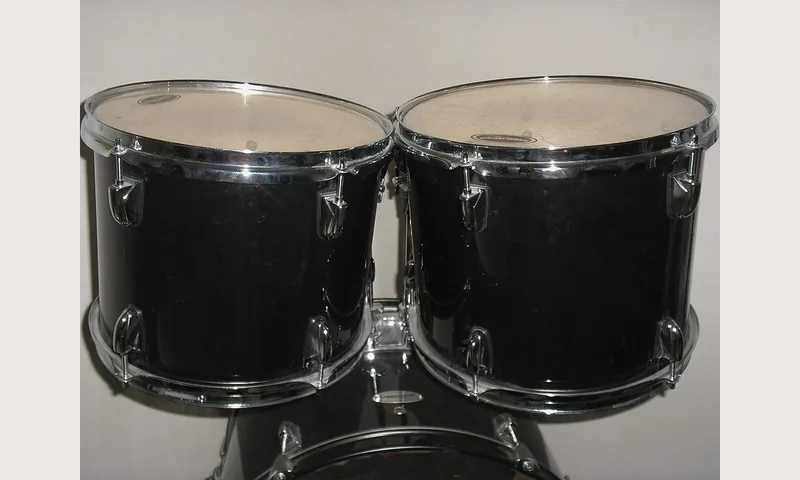
The short answer
A low floor tom needs a defined note as well as depth. Tune both heads evenly and lower the overall range gradually. Stop when the drum loses reliable response, then work back toward a clear sound instead of using more damping to conceal a slack head.
What to do
- Remove temporary damping and check the heads, rods and hoop for obvious problems.
- Even the batter near-lug notes in a moderate range. Check the resonant head separately.
- Lower the batter in small equal steps, playing soft and ordinary strokes after each circuit.
- Adjust the resonant head modestly to explore the decay while keeping its tension even.
- Choose the lowest range that remains clear in the actual fill, then add minimal damping only if the tail needs control.
Listen beyond the first impact
A low thump can sound satisfying while the rest of the note collapses. Leave silence after each test stroke and listen to the full decay. Then play repeated notes at the tempo you need. A slightly higher setting that stays clear can contribute more useful low-end movement than the lowest setting that produces one dramatic hit.
Keep the bottom head involved
A floor tom is not only its batter head. The resonant head affects the overall response and can expose a poor relationship even when the top appears even. Compare small changes on that side while keeping the batter fixed. Do not assume tightening or loosening it always produces the same result on every drum.
Check on its legs
A floor tom supported differently during tuning may respond differently when assembled. Return it to its normal legs and surface for the final test. Check that it is not touching another stand and that all feet are present. Mechanical contact or a loose fitting can imitate a tonal problem and send you into unnecessary retuning.
Check the result
The drum should produce a definite low note at more than one dynamic, with no persistent papery flap and no single area that feels or sounds unusually loose.
Know the limits
Shell size and head construction limit the useful range. Forcing a small drum extremely low may sacrifice response without creating the depth of a larger instrument.
Further reading
Sources for the connections and technical principles discussed above. The diagnostic sequences are our editorial explanation. Consult the manual for your exact model before changing hardware or settings.
These are general educational guides, not hands-on product reviews. How we prepare our content. Cover photo source & license.
Keep working on your setup
Find the source of a floor tom rattle
Isolate a mechanical rattle on a floor tom without mistaking normal drum overtones for loose hardware.
Read the guide
Replace a tom batter head without losing your starting sound
Keep a useful tuning reference while replacing a worn tom head and checking the parts underneath.
Read the guide
Recover a rack tom that loses sustain on its mount
Compare the drum on and off its support before changing heads to cure a choked rack tom.
Read the guide