41 practical guides
Practice & creative spaces
Plan sessions and make a useful music corner in an ordinary home.
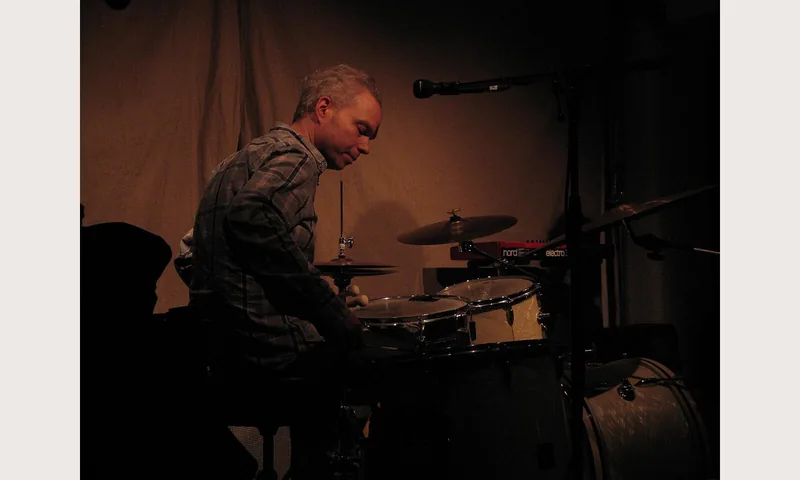
Practise a fill that lands on the next downbeat
Make the return to the groove the main target of a fill exercise.
Read the guide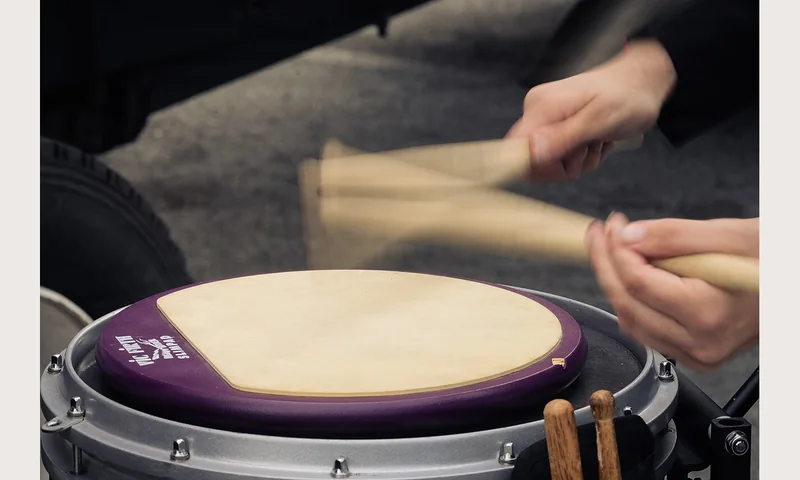
Learn a difficult bar from its final beat backwards
Build a phrase by joining small segments to a reliable ending.
Read the guide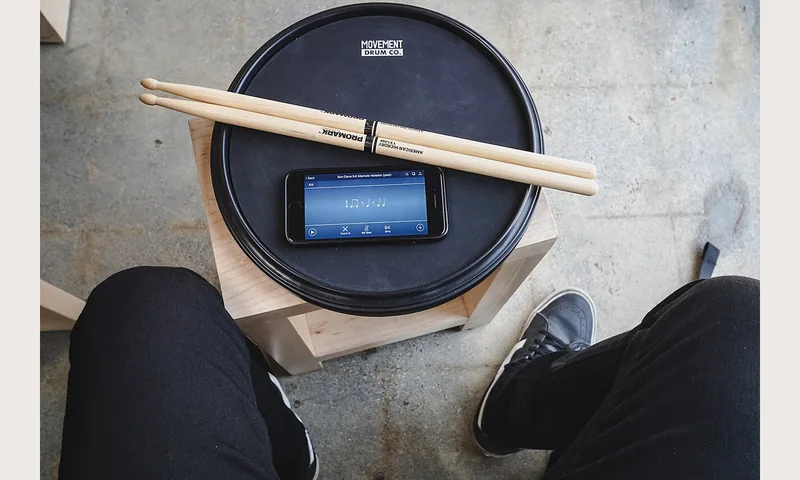
Check whether a practice tempo is genuinely stable
Choose tempo from repeatable control instead of a single successful take.
Read the guideKeep a practice log that changes the next session
Record the smallest useful observation after playing.
Read the guide
Practise a song entrance after a long rest
Rehearse counting and cue recognition while you are not playing.
Read the guideHear the difference between a pickup and beat one
Place a short phrase correctly before adding speed.
Read the guide
Move an accent without making every note louder
Keep the unaccented notes controlled while changing emphasis.
Read the guide
Practise a groove at a quieter dynamic
Keep balance and timing when reducing overall playing volume.
Read the guide
Keep time while changing the cymbal pattern
Separate a steady backbeat from the moving timekeeping part.
Read the guideCompare your groove with a reference without copying its volume
Use a reference recording to check placement and balance.
Read the guideReturn to a song after losing your place
Rehearse a calm recovery point instead of restarting every time.
Read the guideEnd a practice session with a useful repeat test
Check what you can recall after a short break.
Read the guideMake single strokes sound even at a useful tempo
Use alternating strokes to hear differences in timing, height and tone before raising the tempo.
Read the guideBuild double strokes without hiding the second note
Compare both notes of each double and develop a roll that stays clear at more than one speed.
Read the guide
Keep a flam compact without turning it into a unison
Learn the sound of two close strokes with a clear leading grace note and a stronger primary note.
Read the guide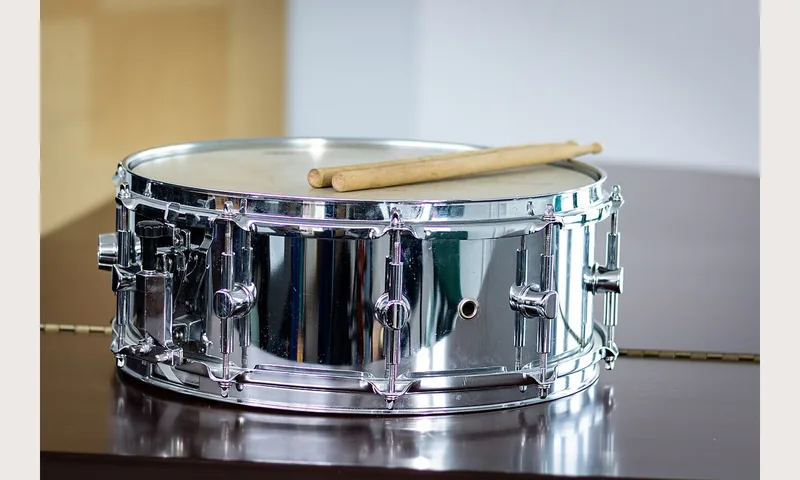
Control accents while the quiet notes stay quiet
Practise dynamic contrast without letting the accent drag neighbouring notes out of time.
Read the guideFit a five-stroke roll into a short fill
Give a short roll a definite ending so it can fit into a measured drum phrase.
Read the guideKeep a drag ornament separate from the main beat
Place two soft grace notes before a primary stroke without shifting the primary note late.
Read the guideAlternate the leading hand through eighth-note triplets
Keep a continuous triplet stream even as the hand on each beat changes.
Read the guideSwitch between straight eighths and a shuffle deliberately
Change the subdivision feel while maintaining one clear beat and a predictable bar length.
Read the guide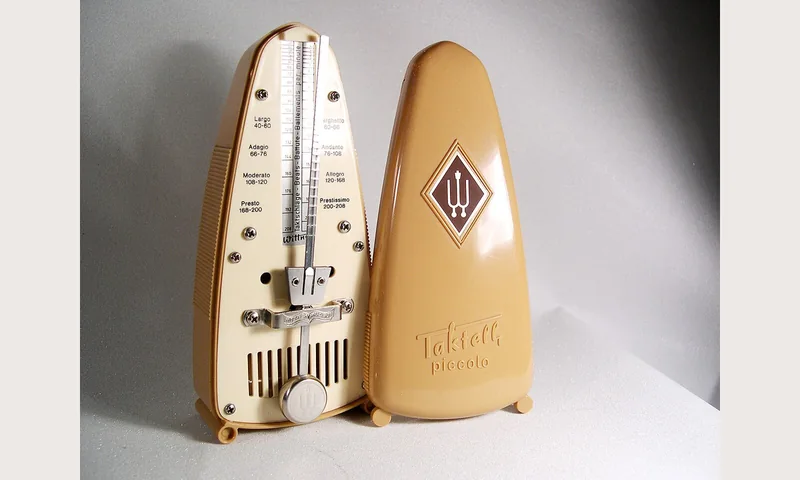
Enter a half-time feel without changing the tempo
Space the backbeat more widely while preserving the original quarter-note pulse and bar count.
Read the guide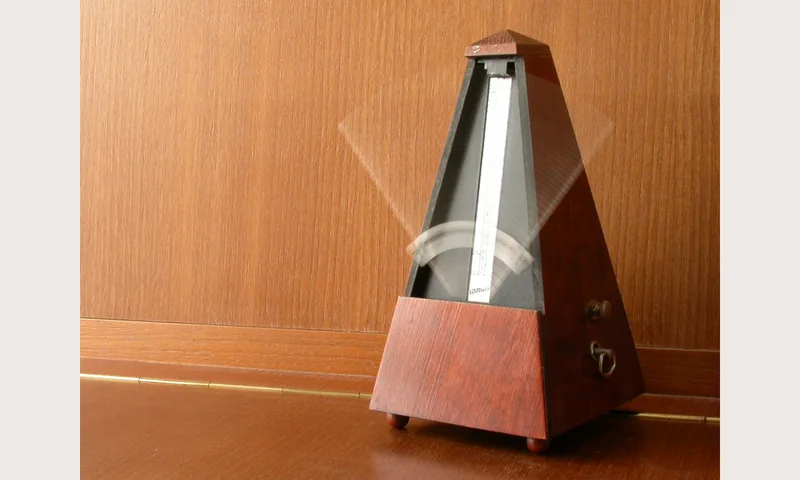
Move a backbeat to an offbeat and keep the bar clear
Explore a displaced snare accent while maintaining a reliable reference groove and phrase length.
Read the guideUse quarter-note clicks to check a sixteenth-note groove
Build a clear four-part subdivision between metronome clicks without relying on a click for every note.
Read the guidePractise a groove with the click on beats two and four
Hear a slower metronome setting as the backbeat while preserving the full four-beat bar.
Read the guideKeep time through a silent metronome bar
Use a short gap in the reference to hear whether your pulse changes when the click disappears.
Read the guideKeep a simple foot ostinato beneath changing hand rhythms
Build coordination by holding one foot pattern steady while the hands make one measured change.
Read the guideGive a count-in that establishes tempo and entrance
Prepare the first played note with a clear spoken or stick count that matches the piece.
Read the guideUse a gradual warm-up that prepares the actual part
Move from comfortable basic strokes toward the coordination and dynamics needed in the music.
Read the guideBuild a practice session around one problem
Define a result you can hear.
Read the guideUse slow practice without losing the groove
Keep the relationships between notes intact.
Read the guidePractise subdivisions with a metronome
Hear the spaces between clicks.
Read the guideFind where you rush in a song
Locate the trigger rather than blaming your timing globally.
Read the guideLearn a song by mapping its sections
Build a map before memorising every detail.
Read the guide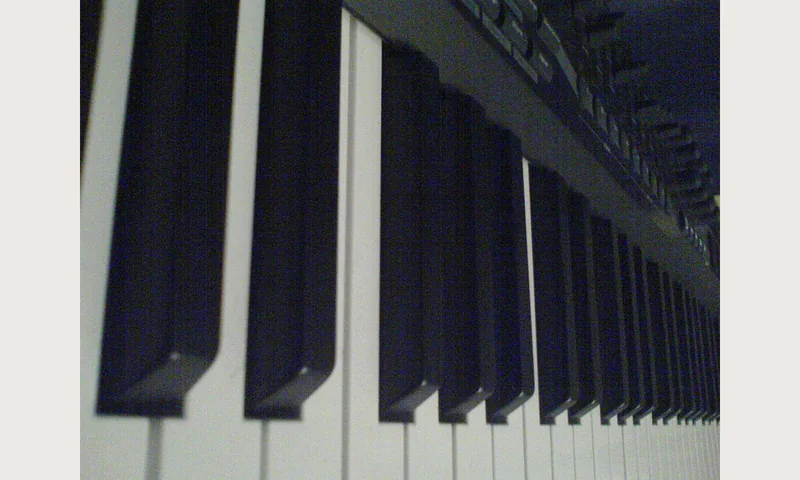
Start an ear-training routine with short phrases
Connect listening, singing and playing.
Read the guideCompare two practice recordings fairly
Keep the conditions consistent.
Read the guide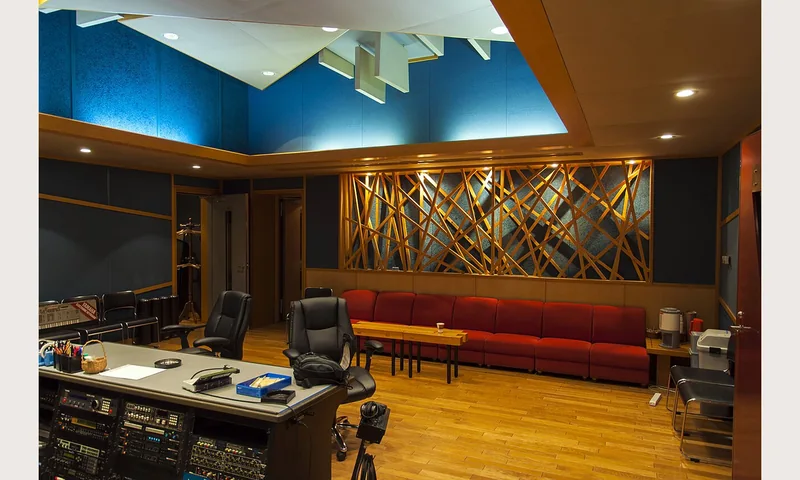
Distinguish acoustic treatment from soundproofing
Decide whether the problem is inside or outside the room.
Read the guideArrange a quiet practice corner
Reduce setup friction and avoid transmitting unnecessary vibration.
Read the guide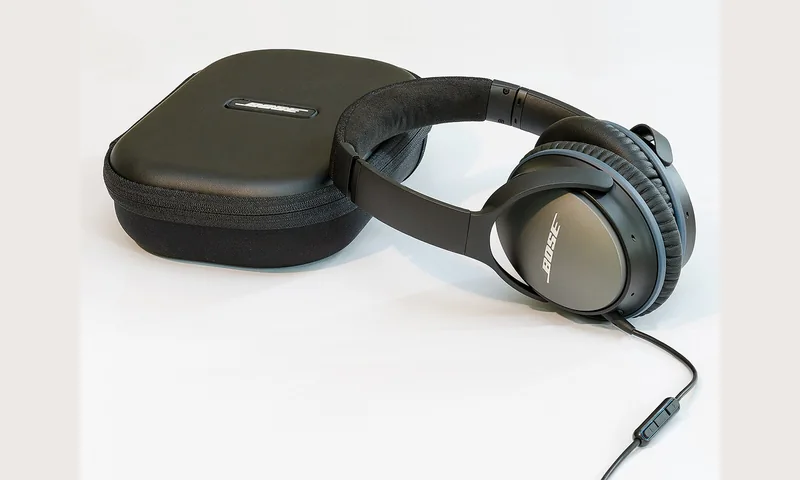
Manage listening levels during long sessions
Make quiet monitoring the default.
Read the guide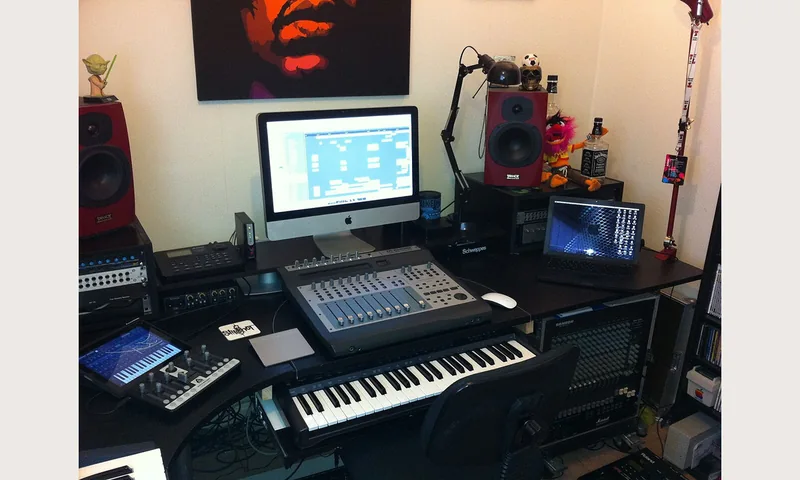
Arrange your desk for comfortable music work
Bring the controls to you.
Read the guide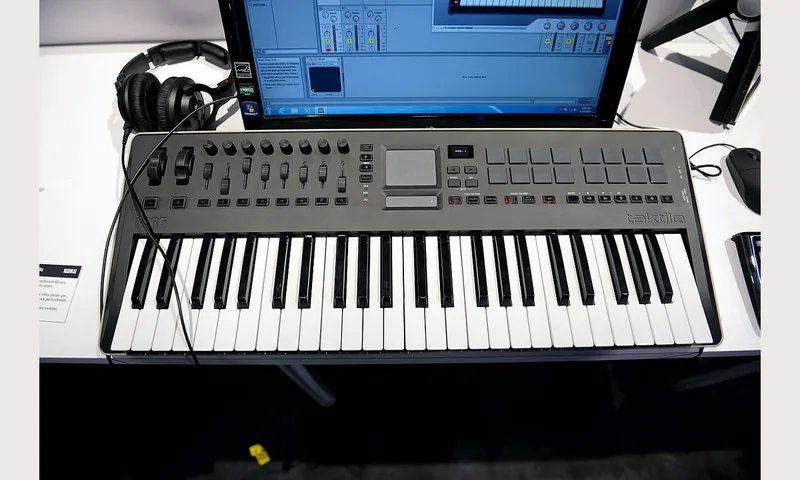
Finish a short musical idea
Limit the project until it has an ending.
Read the guide
Choose the next equipment upgrade by its bottleneck
Buy for a demonstrated limitation.
Read the guide