Start an ear-training routine with short phrases
Connect listening, singing and playing.
The short answer
A small phrase gives you enough musical context to recognise relationships. Repeating a long recording without checking each attempt can reinforce guesses.
What to do
- Choose a short, clearly audible phrase. Sing or hum it before touching the instrument.
- Find the starting pitch, then work through the remaining notes in small groups. Check rhythm separately if pitch and timing compete for attention.
- Record your version and alternate it with the source at a similar level. Correct one difference at a time.
Use a phrase you can remember
Begin with a few notes in a comfortable range and listen several times before reaching for an instrument. Sing or hum the contour, even if your voice is not polished. Identify the starting pitch or tonal centre when possible. A shorter phrase lets you compare a specific prediction with the sound instead of relying on a vague memory of a long melody.
Check one relationship at a time
Find the first note, then compare the direction and size of the next movement. Play your proposed version and return to the reference. Treat an incorrect guess as information about what to listen for next. Avoid making a visual keyboard or answer display available before you have made a genuine listening attempt.
Repeat in a musical setting
After identifying the phrase, sing and play it within its harmony or rhythm where possible. Try a similar short phrase in another key to separate the relationship from a memorised finger pattern. Keep a brief record of recurring confusions. Short regular sessions with clear feedback are more manageable than a long test that leaves you unsure which answer was wrong.
Check the result
Return later and reproduce the phrase without the recording. Transfer it to a different starting note if your instrument allows.
Know the limits
Absolute-pitch identification is not required. Use comfortable vocal ranges and avoid straining to imitate an unsuitable register.
Further reading
Sources for the connections and technical principles discussed above. The diagnostic sequences are our editorial explanation. Consult the manual for your exact model before changing hardware or settings.
These are general educational guides, not hands-on product reviews. How we prepare our content. Cover photo source & license.
Keep working on your setup
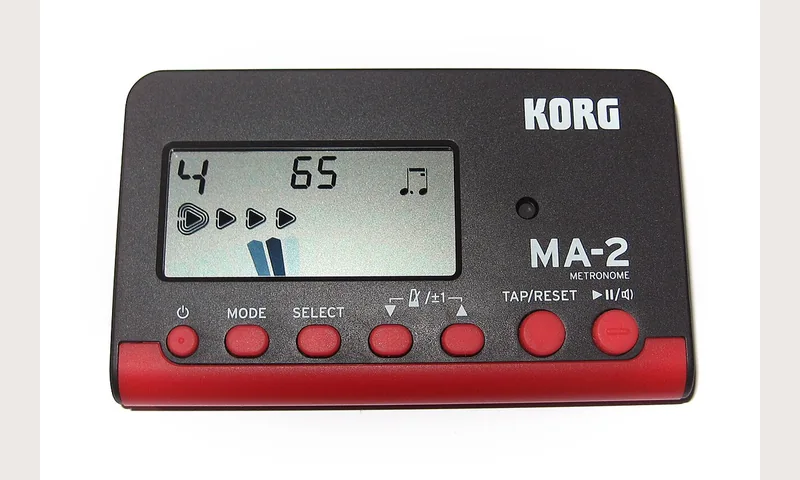
Practise subdivisions with a metronome
Hear the spaces between clicks.
Read the guide
Finish a short musical idea
Limit the project until it has an ending.
Read the guide
Build a practice session around one problem
Define a result you can hear.
Read the guide