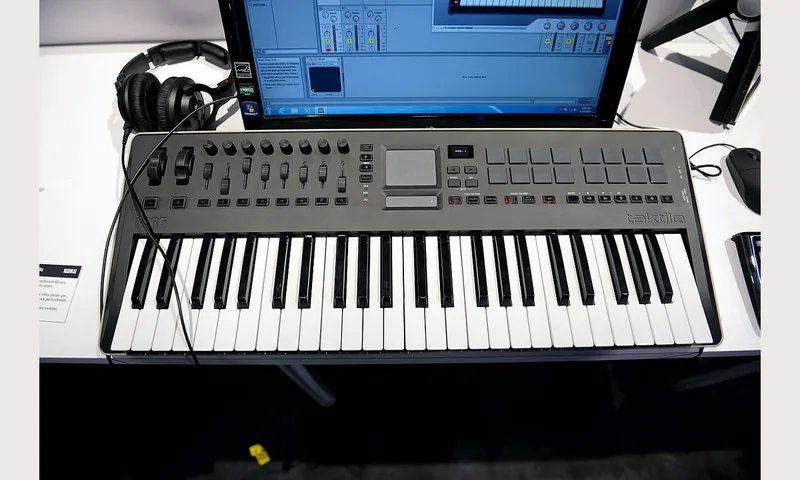
The short answer
A finished sketch is easier to evaluate than an expanding collection of loops. Decide what the idea needs to communicate before adding more tracks.
What to do
- Choose one main motif and a small set of sounds. Make a beginning, a contrasting section and an ending with the material already available.
- Listen from start to finish without editing. Write down the two changes that most improve clarity or momentum.
- Make those changes, export a dated version and stop the session. Keep optional experiments in a separate copy.
Define a small finished result
Choose a scope you can complete: a short drum loop, an eight-bar arrangement or a brief melody with a clear beginning and ending. Decide what files will count as finished, such as a stereo reference and the saved project. A boundary reduces the temptation to add new sections every time a sound or plugin suggests another direction.
Separate writing from polishing
Make the musical decisions first, then reserve a later pass for basic balance and obvious technical faults. Use familiar tools where possible and mark optional improvements instead of interrupting the draft to solve all of them. If one sound causes endless searching, keep a serviceable choice and continue. The point is to complete a coherent idea that you can evaluate as a whole.
Export and listen away from the session
Render the intended range, play the file from its start to finish and check for missing notes, clipped endings or silence. Save the project with its required media and give the output a clear version name. Write the next improvement separately. A finished small piece provides more useful feedback than an ever-changing session that has never been heard outside the editor.
Check the result
Play the export away from the project window. Check whether the structure is understandable without watching the timeline.
Know the limits
Finishing a sketch does not require release-ready mastering. Clear file names and backups matter more than repeatedly polishing one sound.
Further reading
Sources for the connections and technical principles discussed above. The diagnostic sequences are our editorial explanation. Consult the manual for your exact model before changing hardware or settings.
These are general educational guides, not hands-on product reviews. How we prepare our content. Cover photo source & license.
Keep working on your setup
Organise a recording session before tracking
Name and route the tracks while there is time to check them.
Read the guide
Start an ear-training routine with short phrases
Connect listening, singing and playing.
Read the guide
Build a practice session around one problem
Define a result you can hear.
Read the guide