Keep a drag ornament separate from the main beat
Place two soft grace notes before a primary stroke without shifting the primary note late.
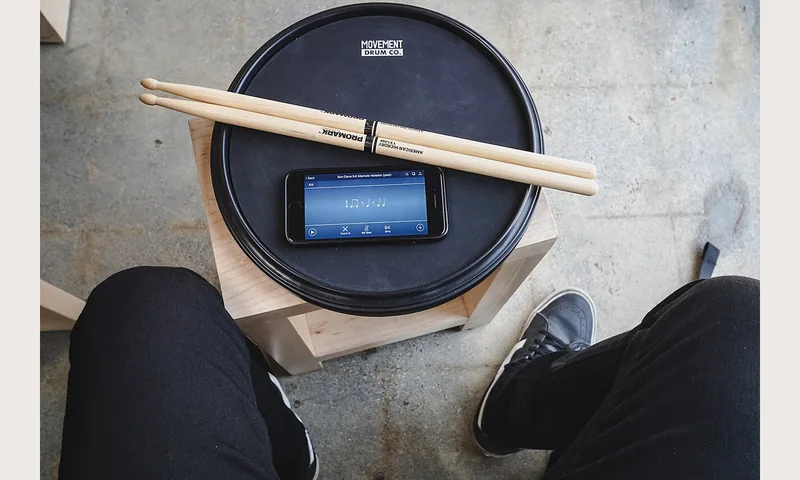
The short answer
A drag adds a two-note lead-in before a primary stroke. Its musical role is an ornament, so first establish where the primary note belongs. Learn the quiet pair separately, then fit it before the beat without turning it into a loud three-note triplet by accident.
What to do
- Play a plain primary stroke on every second click. Say its beat number aloud and leave the remaining space empty.
- Practise a soft double with the opposite hand, followed by the primary stroke. Pause between attempts and make all contacts deliberate.
- Add the drag before selected primary strokes while retaining the same click alignment. Alternate four plain notes and four ornamented notes.
- Reverse the hands and record the comparison. Put the ornament in one short snare phrase only after both versions are understandable.
Keep the primary stroke as the anchor
Listen to the loudest note against the click. If adding the grace notes makes that note late, give the lead-in more preparation rather than moving the musical beat. Practise saying the count while playing only the primary stroke, then add the ornament without changing the spoken count. This separates an uncertain rhythm from a difficulty with the hand sequence.
Shape two softer contacts
The grace notes should be lower in level than the primary stroke. At a slow learning speed, they can be quite clearly separated. As the ornament becomes compact, keep their order and avoid turning them into one accidental bounce. A practice pad helps reveal contacts, while the snare shows how they blend acoustically. Listen on both before judging the finished effect.
Choose a phrase that leaves space
Use a drag before a single snare accent at the end of a sparse fill. Do not initially add it before every backbeat in a busy groove. Leave enough space to hear its contribution. Compare a recording of the plain phrase with the ornamented phrase at similar playback volume, and keep the ornament only when its placement and dynamic shape improve the musical idea. Try the main note alone for two bars, then add the ornament for two bars. Keep the click running through the change. If the primary note shifts when the drag appears, remove the ornament again and work on its preparation without changing the established target.
Check the result
The primary stroke should occupy the same beat in plain and ornamented versions. The soft lead-in should contain two controlled contacts and remain softer on either hand.
Know the limits
Ornament spacing changes with style and tempo. This exercise develops control rather than one universal drag width. Electronic trigger processing may not represent very close, quiet contacts faithfully.
Further reading
Sources for the connections and technical principles discussed above. The diagnostic sequences are our editorial explanation. Consult the manual for your exact model before changing hardware or settings.
These are general educational guides, not hands-on product reviews. How we prepare our content. Cover photo source & license.
Keep working on your setup
Keep a flam compact without turning it into a unison
Learn the sound of two close strokes with a clear leading grace note and a stronger primary note.
Read the guide
Move a backbeat to an offbeat and keep the bar clear
Explore a displaced snare accent while maintaining a reliable reference groove and phrase length.
Read the guideKeep time through a silent metronome bar
Use a short gap in the reference to hear whether your pulse changes when the click disappears.
Read the guide