Choose the next equipment upgrade by its bottleneck
Buy for a demonstrated limitation.
The short answer
An upgrade is easier to justify when you can describe what the current setup prevents you from doing. A new specification is not automatically a useful improvement.
What to do
- List the last three sessions that failed or became frustrating. Identify the repeated cause, such as missing inputs or unreliable monitoring.
- Test free changes first: placement, routing, maintenance and a simpler workflow. Borrow or audition a candidate where practical.
- Compare total cost, compatibility and the improvement to that exact task. Include necessary cables, stands and adapters.
Describe the limitation in a task
Write down what you cannot currently do reliably: hear dialogue, record enough inputs, play without distracting delay or practise without disturbing someone. Gather a short recording, connection diagram or repeatable test that demonstrates it. Avoid starting with a product category, because the limitation may come from placement, settings or workflow rather than the age of the equipment.
Test the inexpensive explanation
Check compatibility, cable condition, software configuration and physical arrangement before comparing purchases. Borrow or trial a relevant device where practical. Keep the comparison at similar levels and use the same task. An upgrade should remove the demonstrated constraint; extra specifications that do not affect that task are not evidence of a better result for your setup.
Budget for the complete change
Include required adapters, mounting, software, power and the time needed to learn the new equipment. Check return terms and manufacturer compatibility information before committing. Decide in advance how you will confirm success after installation. If the result cannot be distinguished in the task that motivated the purchase, revisit the diagnosis instead of assuming another more expensive device must be the answer.
Check the result
Repeat the problematic task with the candidate equipment. Keep the purchase tied to an observable benefit.
Know the limits
Do not use unrelated benchmark numbers as a substitute for your workflow. Check current specifications and return conditions before buying.
Further reading
Sources for the connections and technical principles discussed above. The diagnostic sequences are our editorial explanation. Consult the manual for your exact model before changing hardware or settings.
These are general educational guides, not hands-on product reviews. How we prepare our content. Cover photo source & license.
Keep working on your setup
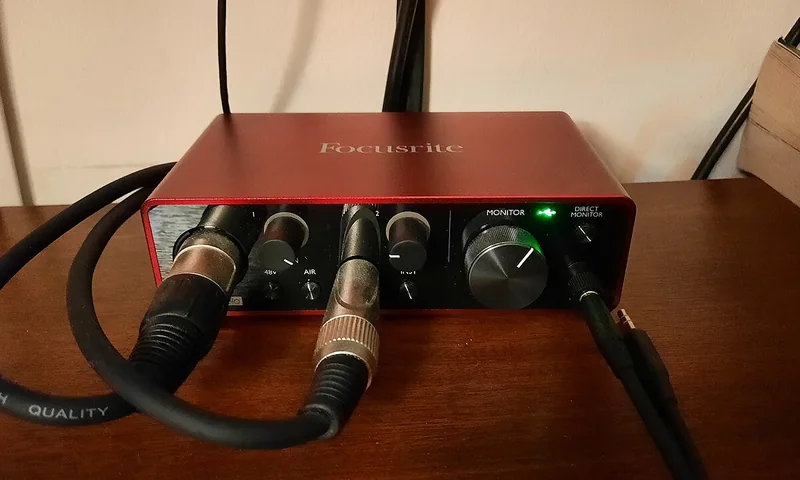
Choose an audio interface by inputs
Count simultaneous sources before comparing specifications.
Read the guide
Find a stable audio buffer size
Balance monitoring responsiveness against processing headroom.
Read the guide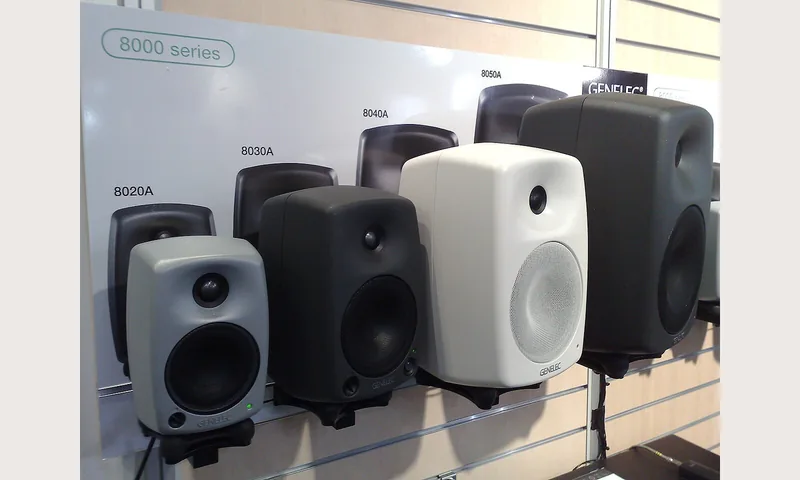
Position desktop speakers for a clearer centre image
Start with symmetry and ear-level orientation.
Read the guide