Give a count-in that establishes tempo and entrance
Prepare the first played note with a clear spoken or stick count that matches the piece.
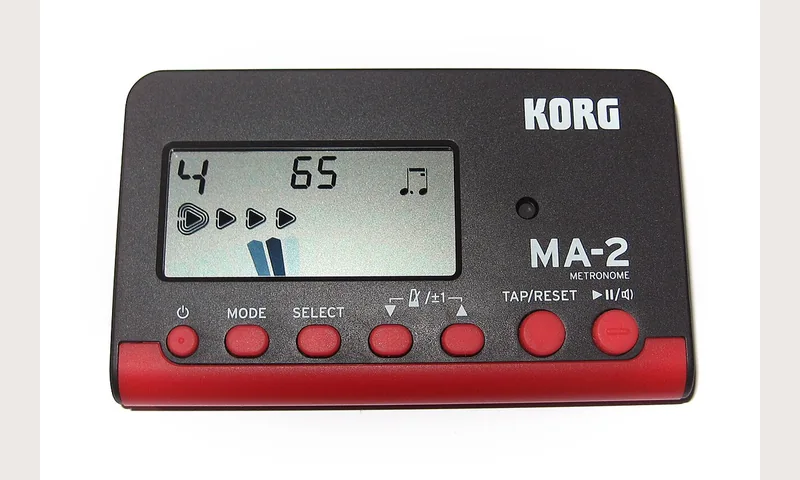
The short answer
A count-in gives players a shared tempo, meter and entrance point. Choose a simple count that reflects the music, leave enough lead for everyone to prepare, and keep its spacing steady through the first played bar. Practise the count-in as part of the performance rather than as an unrelated announcement.
What to do
- For a four-beat groove, set a comfortable tempo and speak one full bar of 1 2 3 4 before playing.
- Record the spoken count and first two bars. Compare the count spacing with the first hi-hat notes.
- Try two bars of count-in when preparation needs more time. Keep the second bar at the same tempo as the first.
- Practise an entrance that starts after beat one by counting the entire opening space. State the entrance position before the take.
State what the count means
The same spoken numbers can be misunderstood when a song has a pickup, a slow feel or a compound meter. Agree which beats are being counted and where the first played event belongs. For an offbeat entrance, say that position explicitly before starting. A clear shared convention is more useful than an elaborate stick-click pattern whose meaning only the drummer knows.
Keep preparation from changing the pulse
Players sometimes give a comfortable count and accelerate while moving into the groove. Record enough audio to hear the transition, including a quiet first bar if appropriate. Count while your hands and feet prepare their starting positions. If the motion interrupts the spoken spacing, simplify the setup or begin already ready to play rather than treating preparation as extra uncounted time.
Choose an audible but suitable cue
A spoken count, stick click or agreed gesture can work in different settings. Check that the other players can actually perceive the cue, especially through headphones or on a loud stage. Avoid assuming a visual movement provides the same detail as a rhythmic count. In recording, retain the count for alignment or remove it later according to the session plan without altering the musical entrance. Test the cue with a silent opening beat as well as an immediate entrance. Keep counting internally through the empty position and play the first written note exactly where it belongs. This reveals whether the count-in establishes the entire bar or only a reflex to begin on one.
Check the result
The first played bar should continue the tempo established by the count, and every player should be able to identify the intended entrance point. Repeated starts should produce the same phrase length.
Know the limits
An ensemble may use a conductor, prerecorded cue or another musician as the leader. Follow that arrangement and agree on changes before the take; a drummer need not count every performance.
Further reading
Sources for the connections and technical principles discussed above. The diagnostic sequences are our editorial explanation. Consult the manual for your exact model before changing hardware or settings.
- Yamaha: How to Get the Most Out of Your E-Drum Metronome
- Yamaha: Practice Exercises for the Beginning Drummer
These are general educational guides, not hands-on product reviews. How we prepare our content. Cover photo source & license.
Keep working on your setup
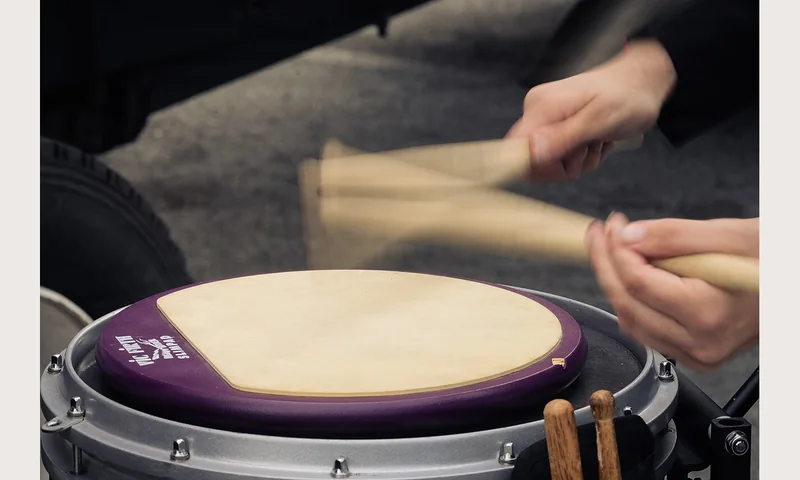
Make single strokes sound even at a useful tempo
Use alternating strokes to hear differences in timing, height and tone before raising the tempo.
Read the guide
Enter a half-time feel without changing the tempo
Space the backbeat more widely while preserving the original quarter-note pulse and bar count.
Read the guide
Count a seven-eight groove as a fixed grouping
Use a small grouping pattern to keep seven eighth-note positions repeatable and audible.
Read the guide