Use a gradual warm-up that prepares the actual part
Move from comfortable basic strokes toward the coordination and dynamics needed in the music.
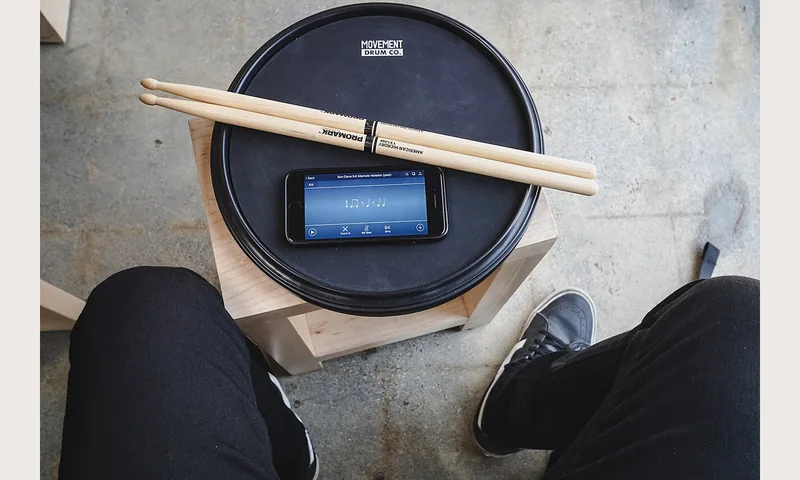
The short answer
A practical warm-up starts below the difficulty of the piece and moves toward its actual demands. Use easy motions, a clear pulse and short blocks that reveal how you are playing today. The goal is readiness for the part, so choose relevant patterns and avoid turning preparation into a maximum-speed test.
What to do
- Begin with quiet alternating strokes at a comfortable tempo. Check posture, breathing and the ease of the stick return.
- Add simple accents or doubles at the same tempo, keeping the quiet notes controlled and the count steady.
- Play a reduced version of the piece: fewer bass-drum notes, plain backbeats and an easy cymbal part.
- Restore the difficult transition or fill at a manageable speed, then try a short section at the intended tempo only if control remains comfortable.
Choose material from the session
If the music needs a soft cross-stick groove, include that contact and dynamic level. If it needs tom movement, add a small reachable route. A long unrelated speed exercise may leave the actual coordination untested. Keep the sequence short enough that you can judge its effect. The warm-up should help identify a useful starting point for the session, not consume attention through an arbitrary checklist.
Increase one demand at a time
Raise the tempo, dynamic range or coordination difficulty separately. This makes it easier to notice what changes the quality of the movement. If a difficult fill falls apart, return to its simple rhythm before adding all the surfaces. Short pauses between blocks let you reassess rather than repeat the same strained attempt. Today is a new observation; yesterday's fastest successful tempo does not require matching immediately.
Finish by checking the first musical entrance
Play the count-in and opening phrase at the intended sound level. Notice whether the first stroke, pedal note or cymbal reach is ready without an extra adjustment. Record a brief take if timing feels unclear. Use the result to choose the first practice task: a specific transition, a balance issue or a simpler starting tempo. Readiness is measured against the music you are about to play. Keep one short reference passage from the upcoming music and play it near the beginning and end of the sequence. Compare ease, timing and balance at the same tempo. Use the comparison to refine tomorrow's preparation instead of adding more exercises automatically.
Check the result
You should be able to begin the selected part with a stable pulse, intended dynamics and comfortable movement. If the sequence makes those qualities worse, shorten it and reassess the demands.
Know the limits
No warm-up guarantees prevention of injury, and discomfort is not a required stage of progress. Stop when playing causes pain and seek appropriate qualified guidance if symptoms persist.
Further reading
Sources for the connections and technical principles discussed above. The diagnostic sequences are our editorial explanation. Consult the manual for your exact model before changing hardware or settings.
These are general educational guides, not hands-on product reviews. How we prepare our content. Cover photo source & license.
Keep working on your setup
Use slow practice without losing the groove
Keep the relationships between notes intact.
Read the guide
Use quarter-note clicks to check a sixteenth-note groove
Build a clear four-part subdivision between metronome clicks without relying on a click for every note.
Read the guide
Set up a shared listening desk
Plan controls and cable reach around both users.
Read the guide