Practise a groove at a quieter dynamic
Keep balance and timing when reducing overall playing volume.
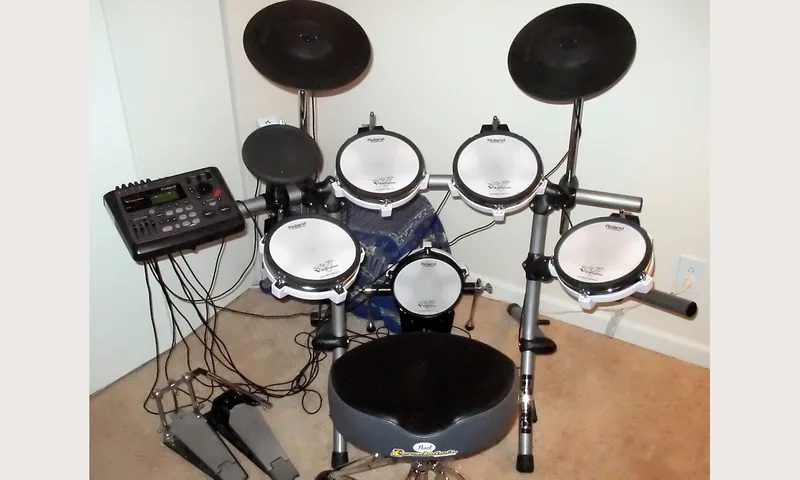
The short answer
Quieter playing is a separate control task. Reduce the whole groove while preserving the relationship between its parts, then listen for any note that disappears or becomes late.
What to do
- Choose a familiar simple groove
- Record a normal comfortable version from a fixed microphone position
- Play a quieter version at the same tempo
- Compare timing and the balance between kick, snare and timekeeping surface
Change the musical level first
A smaller room or different sticks can change the result, but first learn what you can control with the existing setup. If a quiet kick or backbeat becomes unreliable, isolate that motion briefly and return to the whole groove. Avoid compensating with a louder cymbal.
Check the result
The quieter take should remain recognisable and steady, with intentional rather than accidental missing notes.
Know the limits
Quiet practice still creates sound and vibration. It does not replace hearing protection or solve sound transmission to neighbours.
Further reading
Sources for the connections and technical principles discussed above. The diagnostic sequences are our editorial explanation. Consult the manual for your exact model before changing hardware or settings.
These are general educational guides, not hands-on product reviews. How we prepare our content. Cover photo source & license.
Keep working on your setup
Practise a fill that lands on the next downbeat
Make the return to the groove the main target of a fill exercise.
Read the guide
Learn a difficult bar from its final beat backwards
Build a phrase by joining small segments to a reliable ending.
Read the guide
Check whether a practice tempo is genuinely stable
Choose tempo from repeatable control instead of a single successful take.
Read the guide