Distinguish acoustic treatment from soundproofing
Decide whether the problem is inside or outside the room.
The short answer
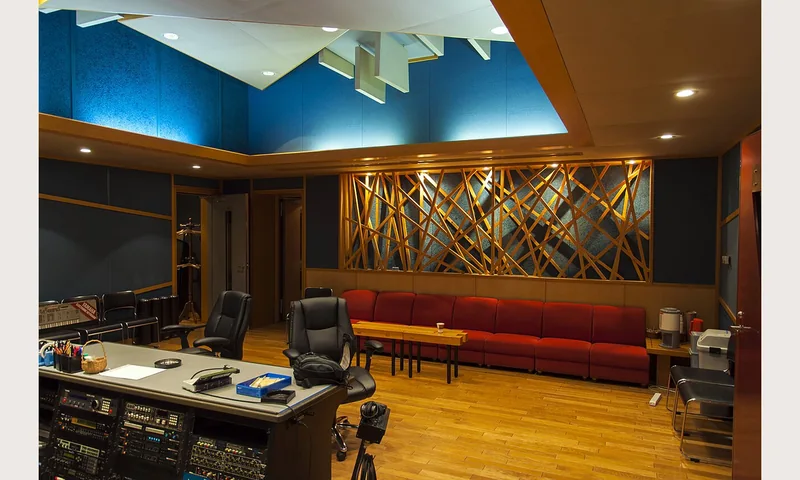
Treatment changes reflections within a room. Isolation reduces sound travelling through its boundaries. Thin decorative foam is not a general solution for neighbours hearing drums.
What to do
- Identify who hears the unwanted sound and where. Note whether it travels through the air, floor or building structure.
- For excessive internal reflections, test speaker and microphone placement and suitable absorptive materials safely.
- For transmission to neighbours, start with quieter sources and scheduling. Seek competent building advice before structural isolation work.
Name the problem in the correct room
If recordings sound echoey inside your room, the task may involve controlling reflections. If neighbours hear your practice, the task involves sound transmission. Both problems can exist together, but the solutions are not interchangeable. Listen in the affected space and note whether the disturbance is speech, impacts or low bass before buying any material.
Understand what thin materials can do
Absorptive treatment can reduce some reflected sound and improve microphone or listening conditions when placed appropriately. Thin foam and curtains do not turn an ordinary wall into a sound-isolating barrier, especially at low frequencies. For recording, moving the source or microphone may help immediately. For neighbours, reducing level or using a quieter practice method may be more effective.
Treat building work as a separate project
Substantial isolation can involve mass, airtightness, decoupling and flanking paths through the structure. Ventilation, fire safety and landlord permission also matter. Obtain a competent assessment before major alterations and avoid unsupported guarantees based on one product label. Test any modest intervention from the receiving room, because a drier sound inside does not prove less transmission outside.
Check the result
Compare the same source from the same listening positions before and after a change. Check the neighbouring space rather than only your chair.
Know the limits
Do not block ventilation, exits or fire equipment. Structural changes and electrical work can require permissions and professional design.
Further reading
Sources for the connections and technical principles discussed above. The diagnostic sequences are our editorial explanation. Consult the manual for your exact model before changing hardware or settings.
These are general educational guides, not hands-on product reviews. How we prepare our content. Cover photo source & license.
Keep working on your setup
Reduce bass disturbance in a shared home
Lower low-frequency energy and change listening habits before buying foam.
Read the guide
Arrange a quiet practice corner
Reduce setup friction and avoid transmitting unnecessary vibration.
Read the guide
Record vocals in an untreated room
Reduce the unwanted room contribution at capture.
Read the guide