Arrange a quiet practice corner
Reduce setup friction and avoid transmitting unnecessary vibration.
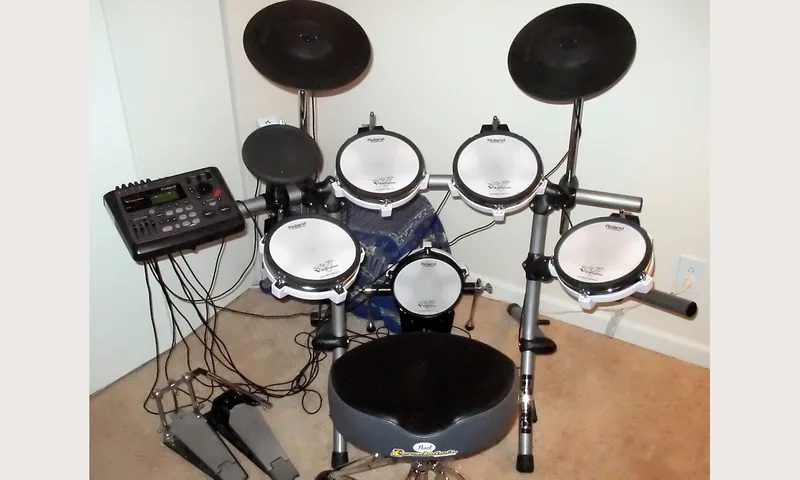
The short answer
A useful corner has the instrument ready, stable and easy to put away. Quiet practice also depends on what reaches the floor and nearby rooms.
What to do
- Choose a location away from shared walls where practical. Leave a clear walking route and safe access to power.
- Use the instrument's supported quiet options, such as headphones or a suitable practice surface. Check mechanical pedal and stand noise separately.
- Keep cables tidy and store the essentials within reach. Agree on a workable practice time with other occupants.
Choose the quieter method first
Decide which part of the skill needs full instrument volume and which can use a pad, mute, unplugged practice or headphones. Check that the substitute still supports the technique you intend to learn. Agree on suitable times with the people sharing the space. Reducing the source usually gives more predictable results than trying to hide it under more background sound.
Check contact with the building
Pedals, stands and furniture can pass impacts into the floor even when the instrument sound is quiet. Keep equipment stable and test a suitable isolation arrangement without creating a trip or balance risk. Ask someone in the affected room to compare the result. Headphones reduce airborne playback, but they do not remove physical stick or pedal noise.
Keep the corner easy to use
Place the music, timer and recording device within reach and leave walking routes clear. Manage cables and keep the seat or playing posture adjustable. A setup that takes a long time to assemble discourages short focused sessions. Revisit the arrangement if it creates discomfort or disturbing noise; a quiet corner is successful when both practice and shared-home use remain workable.
Check the result
Listen from the adjacent room during a realistic session, with another person playing if possible.
Know the limits
A mat may reduce some contact noise but cannot guarantee structural isolation. Headphones do not eliminate the impact noise of electronic drums.
Further reading
Sources for the connections and technical principles discussed above. The diagnostic sequences are our editorial explanation. Consult the manual for your exact model before changing hardware or settings.
These are general educational guides, not hands-on product reviews. How we prepare our content. Cover photo source & license.
Keep working on your setup
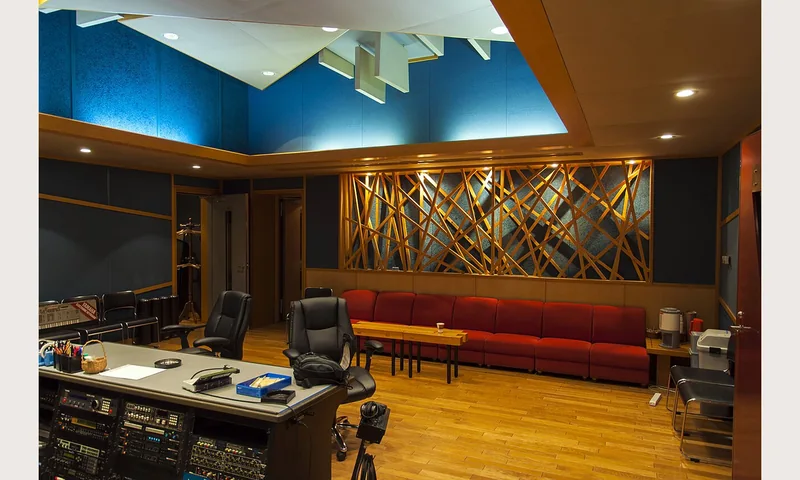
Distinguish acoustic treatment from soundproofing
Decide whether the problem is inside or outside the room.
Read the guide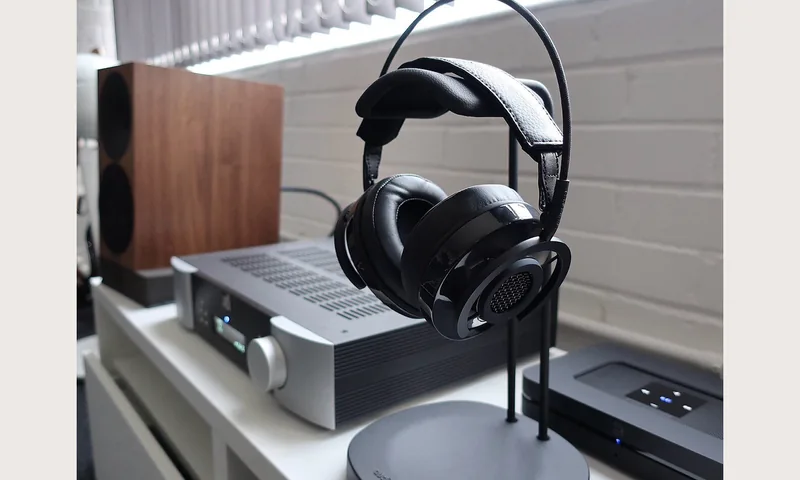
Choose headphones for electronic drums
Start with wired monitoring, comfortable fit and the module's output.
Read the guide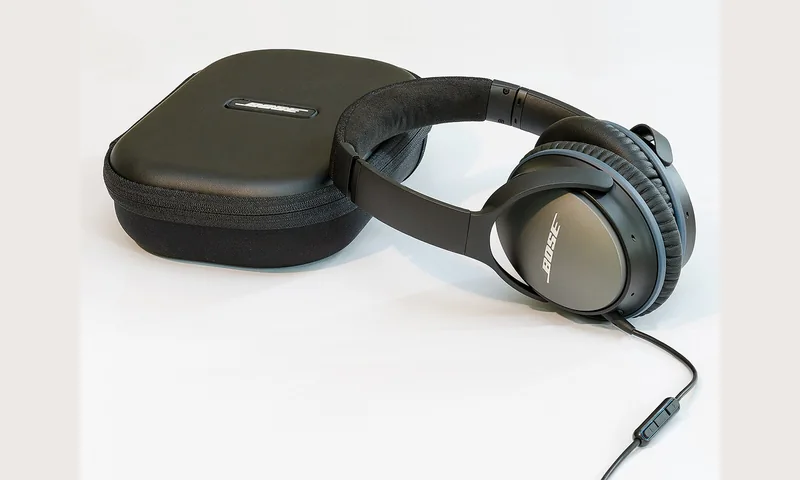
Manage listening levels during long sessions
Make quiet monitoring the default.
Read the guide