Learn a song by mapping its sections
Build a map before memorising every detail.
The short answer
Knowing the order of sections reduces the memory load when learning a new song. Use the recording's actual structure rather than assuming a standard verse-and-chorus pattern.
What to do
- Listen once without playing and mark changes in texture, melody or harmony. Give each repeated section a short label.
- Count the bars in each section and note pickups, stops and shortened phrases.
- Practise the joins between sections, then play through with the map visible. Reduce the notes when necessary to preserve the form.
Make a compact listening map
Listen through and label the sections in terms that help you: introduction, verse, chorus, bridge or a simple letter system. Note bar counts, repeats and unusual endings. Keep the map readable enough to follow while playing. A transcription can be more detailed, but the first map only needs to explain the song journey and the points where you may get lost.
Mark transitions as well as sections
Write a cue for the fill, lyric, harmony change or pickup that announces each entrance. Practise the end of one section together with the start of the next. Starting every rehearsal at the beginning can leave later transitions underprepared. Check the exact recording version because live performances, radio edits and album versions may have different structures.
Use the map and gradually look away
Play through with the map, then test short stretches from memory. If you lose your place, identify the missing cue rather than adding unnecessary detail everywhere. Record a full run to check that repeated sections have the correct length. Keep the final map with the song title, version and tempo reference for the next rehearsal.
Check the result
Start playback at an unfamiliar point and identify where you are. Try recalling the next section before it arrives.
Know the limits
Different live and studio versions may use different forms. Keep the map tied to the version you will perform.
Further reading
Sources for the connections and technical principles discussed above. The diagnostic sequences are our editorial explanation. Consult the manual for your exact model before changing hardware or settings.
These are general educational guides, not hands-on product reviews. How we prepare our content. Cover photo source & license.
Keep working on your setup
Build a practice session around one problem
Define a result you can hear.
Read the guide
Use slow practice without losing the groove
Keep the relationships between notes intact.
Read the guide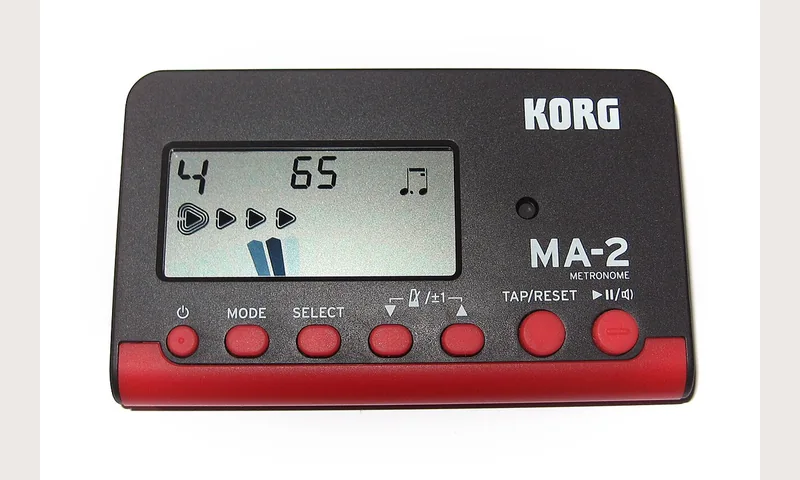
Practise subdivisions with a metronome
Hear the spaces between clicks.
Read the guide