Control accents while the quiet notes stay quiet
Practise dynamic contrast without letting the accent drag neighbouring notes out of time.
The short answer
An accent is a relative increase within a phrase. Establish an easy quiet level first, then add one clearly stronger note while the remaining strokes stay controlled. The useful result is contrast at the intended timing, not simply a louder exercise overall.
What to do
- Play a bar of alternating eighth notes quietly. Choose a tempo at which each hand can prepare its next stroke without a rushed lift.
- Accent the first of every four notes while keeping the other three at the original level. Count all the notes rather than only the accents.
- Move the accent to the second, third and fourth position in successive bars. Notice the hand that must prepare it and the quiet stroke immediately afterwards.
- Record the four-bar sequence. Compare the level of the quiet notes before and after each accent and repeat only the weakest transition.
Separate preparation and recovery
The accent needs room for a stronger stroke, but the following tap should not inherit the same height. Practise an accent followed by one quiet note and a rest. Watch whether the stick remains high after the accent. A controlled return makes the tap easier to place. Keep the movement comfortable; the exercise is an observation of dynamic control, not a contest to strike from the greatest height.
Listen for the hidden timing problem
A louder note can seem more prominent even when its timing is slightly wrong. Record the phrase and focus on the distance from the note before the accent to the accent, then from the accent to the next tap. Both gaps should preserve the subdivision. If the accent consistently arrives early, lower the tempo and prepare it sooner rather than rushing the final movement.
Carry the contrast into a groove
Put quiet strokes on the snare between two firm backbeats, or use a simple hi-hat line with selected accents. Keep the number and placement of notes unchanged from the pad exercise. Listen to the balance of the entire kit: a quiet snare note may be covered by a loud hi-hat even when the hand motion is correct. Reduce the competing sound before making every ghost note louder.
Check the result
Each accent position should be identifiable while all other notes remain near the starting quiet level. The phrase should keep its pulse when the accent moves to an offbeat position.
Know the limits
Accents need not be maximum-volume hits, and quiet notes need not be barely audible. Use a comfortable dynamic range appropriate to the instrument and room. Stop if repeated preparation causes discomfort.
Further reading
Sources for the connections and technical principles discussed above. The diagnostic sequences are our editorial explanation. Consult the manual for your exact model before changing hardware or settings.
These are general educational guides, not hands-on product reviews. How we prepare our content. Cover photo source & license.
Keep working on your setup
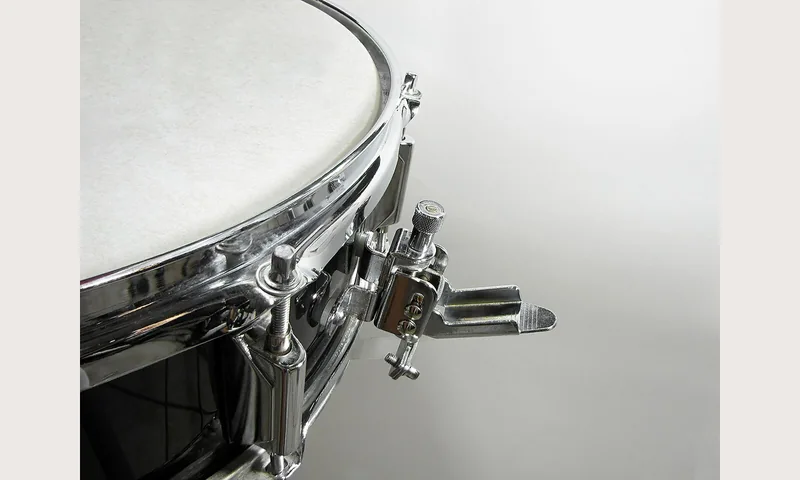
Balance snare wire tension for quiet and loud notes
Find the wire setting that responds to light strokes without shortening the drum excessively.
Read the guide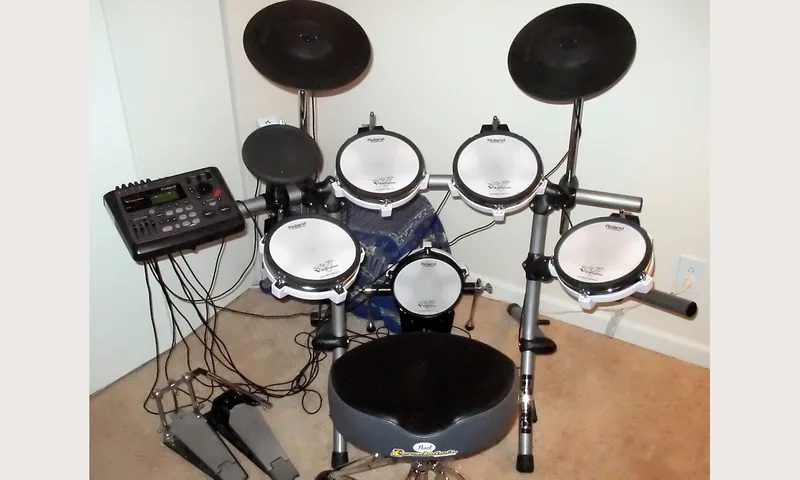
Arrange a quiet practice corner
Reduce setup friction and avoid transmitting unnecessary vibration.
Read the guide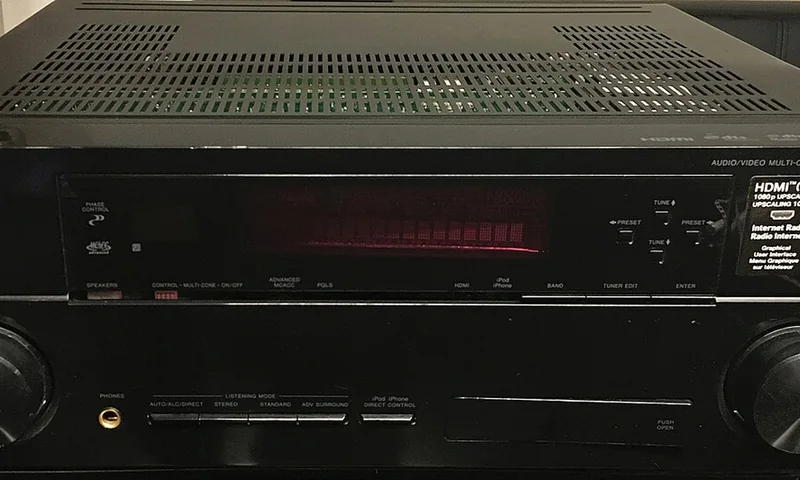
Fix dialogue that is too quiet at night
Check the channel setup and dynamic-range options before boosting everything.
Read the guide