27 practical guides
DJ & live sound
Prepare music, connect equipment and troubleshoot a small performance.
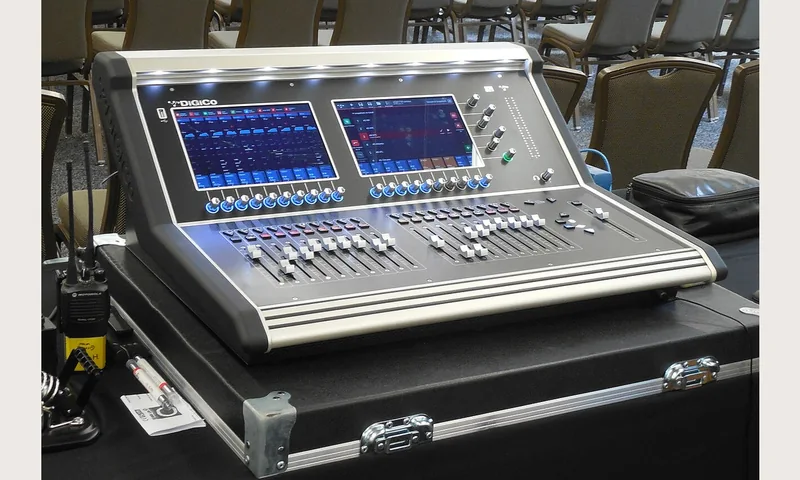
Mark mixer channels so a substitute engineer can follow them
Create a useful input list before soundcheck.
Read the guide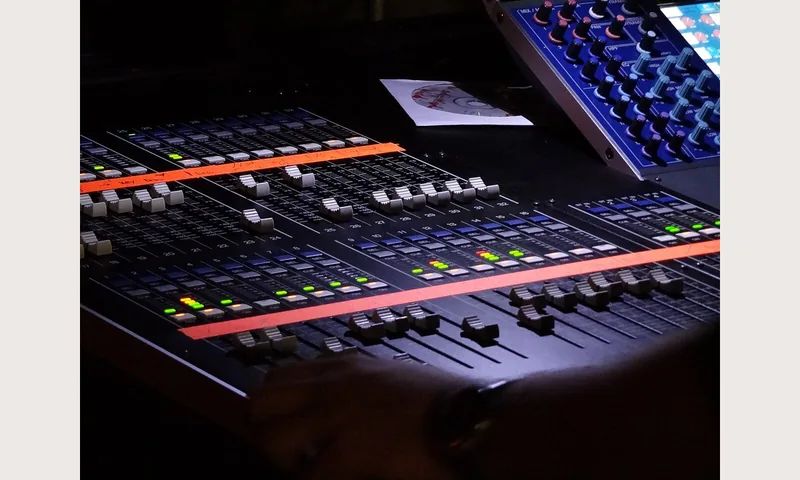
Check a mixer mute group before opening the PA
Confirm which channels a mute group affects.
Read the guide
Check an auxiliary send that feeds no monitor sound
Trace a silent stage-monitor send from input to loudspeaker.
Read the guide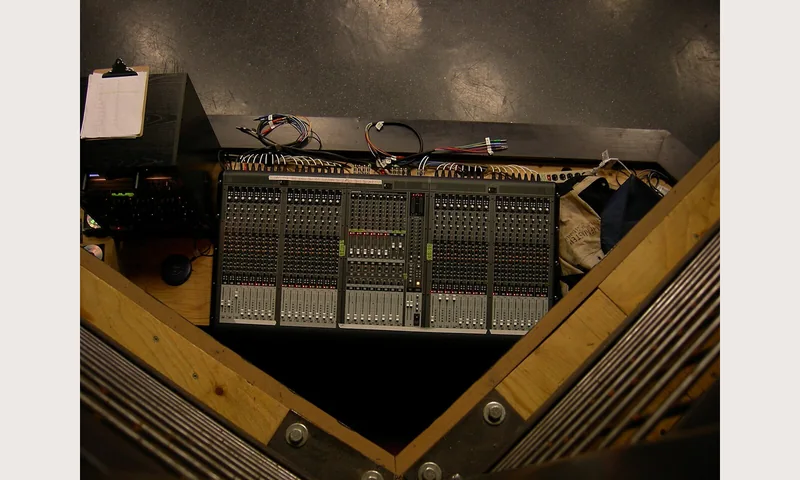
Prevent a playback laptop alert from reaching the PA
Prepare an event computer for deliberate playback.
Read the guide
Trim a loud DJ track without changing the room level
Use channel gain to match tracks before moving the master.
Read the guide
Test DJ hot cues on the exported USB drive
Verify cue data on the device that will be used at the event.
Read the guideKeep a DJ export compatible with the venue player
Resolve player compatibility before preparing the full music drive.
Read the guideCheck a microphone cable with a known working channel
Isolate a suspected cable without disturbing the whole stage patch.
Read the guideMake a changeover patch sheet for a small event
Reduce confusion when two acts share a mixer.
Read the guide
Check a stereo DI connection before sending playback to a mixer
Keep left and right playback signals separate and correctly labelled.
Read the guide
Test a recorded live-mixer feed for missing sources
Confirm what the recording bus actually contains.
Read the guideSet a spoken announcement channel apart from music playback
Keep speech intelligible during a small event announcement.
Read the guideSend a click to the drummer without sending it to the audience
Use an independent output route and verify it from the audience mix before the show.
Read the guide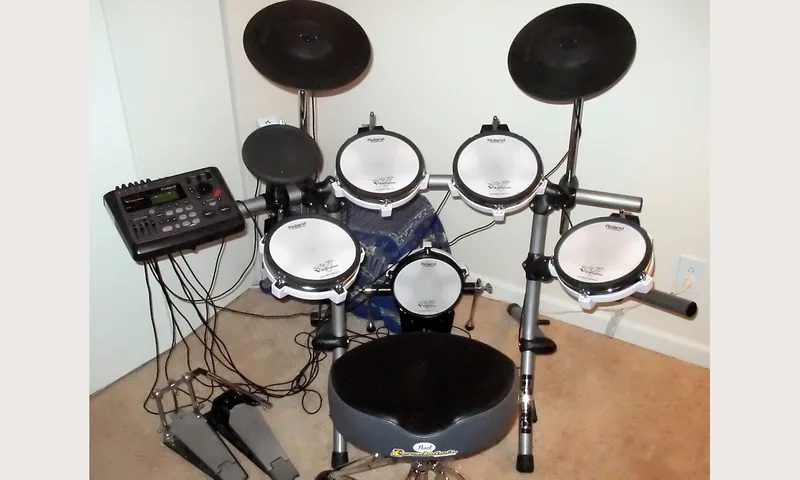
Prepare electronic drum outputs for a live engineer
Arrive with a clear output plan, stable kit balance and documented connections.
Read the guideRun a line check before a soundcheck
Confirm every source before balancing the band.
Read the guideConnect a DJ controller to powered speakers
Match output type, input sensitivity and cable length.
Read the guideSet mixer input gain without clipping
Establish headroom before moving channel faders.
Read the guideFind the cause of microphone feedback
Reduce the loop before boosting anything.
Read the guideSet up headphone cueing for a DJ mix
Separate the next track from the audience feed.
Read the guide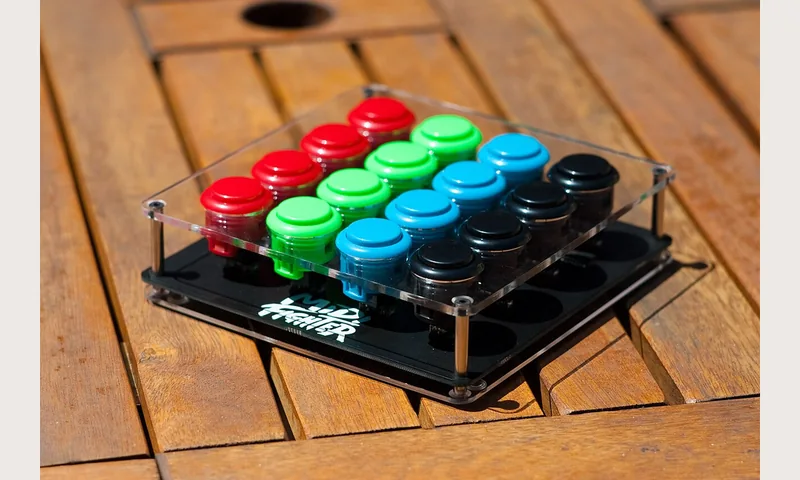
Organise a DJ library for a short set
Prepare usable choices rather than one rigid playlist.
Read the guide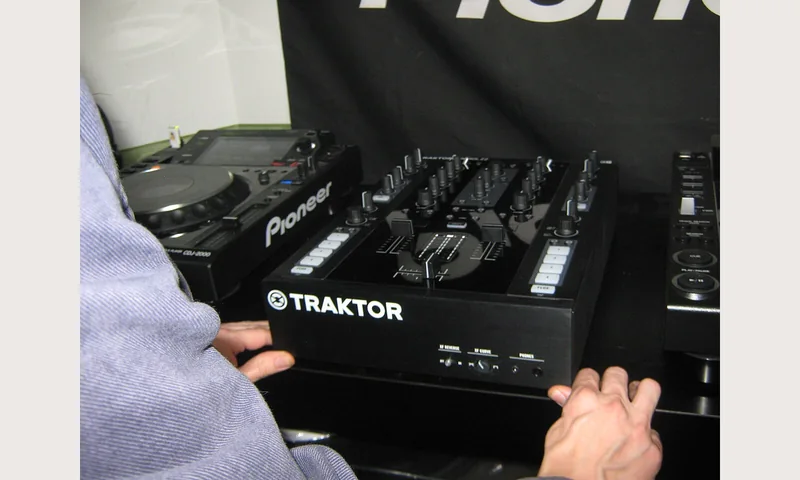
Correct a drifting DJ beatgrid
Check the downbeat before adjusting the tempo.
Read the guidePrepare a USB drive for a DJ player
Compatibility matters more than copying files quickly.
Read the guide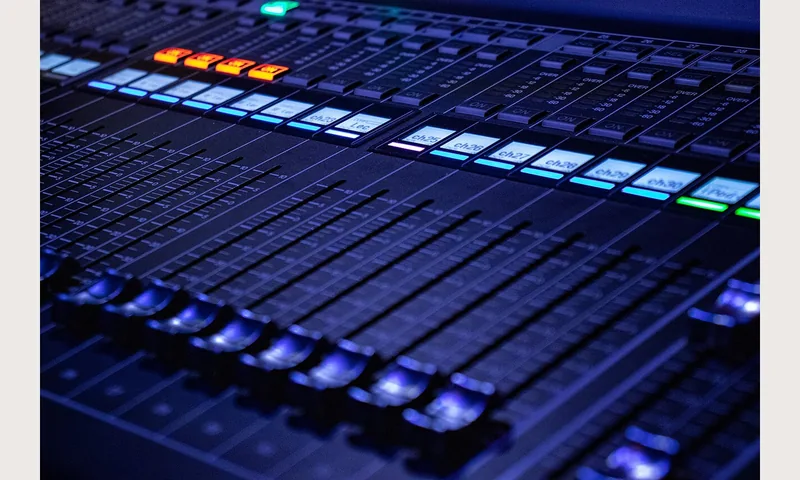
Check a stereo mix for mono playback
Listen for cancellation before the event.
Read the guidePlan backup playback for a small event
Make recovery possible without your main computer.
Read the guide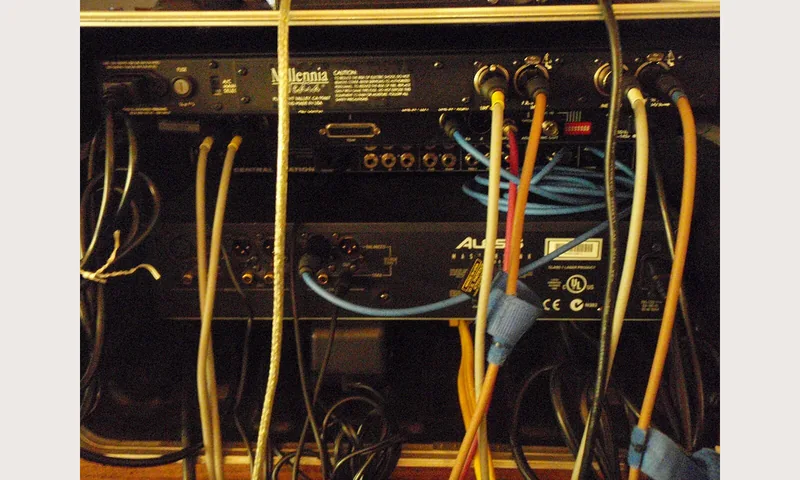
Route stage cables without creating trip hazards
Keep paths visible and connections unstressed.
Read the guide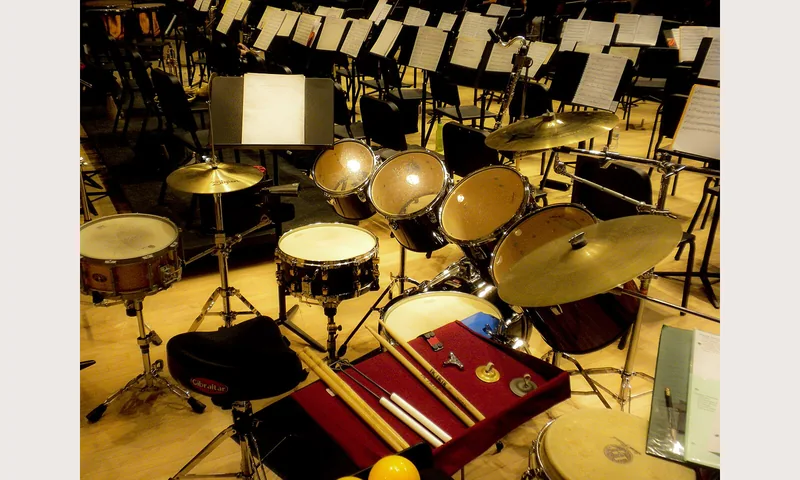
Position speakers for a small-room performance
Aim at listeners while limiting microphone spill.
Read the guideRecord a stereo feed from a live mixer
Confirm exactly what the record output contains.
Read the guide