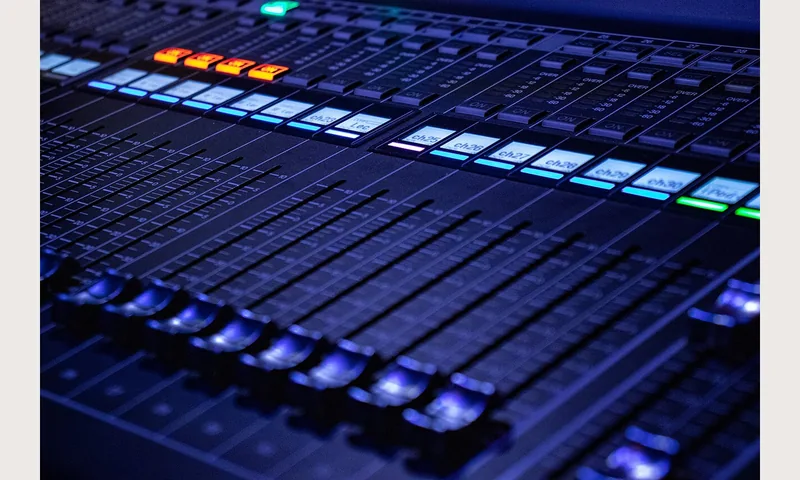
The short answer
A stereo effect can sound wide in headphones but lose important material when channels are combined. Check mono in software before changing the venue's wiring.
What to do
- Route a representative section through a documented mono monitoring control. Match playback loudness for comparison.
- Listen to vocals, bass and prominent instruments. Bypass widening effects one at a time if something disappears.
- Check that essential information remains intelligible in either side alone as well as in the combined signal.
Sum using a supported monitor path
Use the mixer, interface or software mono control to combine left and right for listening. Do not tie two active outputs together with an improvised cable. Keep level changes under control because summing can affect loudness. Compare the same short passage in stereo and mono, concentrating on vocals, bass and other elements that must remain intelligible.
Listen for changes in balance
Some loss of width is expected; disappearing parts or a hollow tonal change deserve investigation. Mute stereo wideners and parallel effects one at a time. Check multi-microphone polarity and timing relationships if applicable. A correlation meter can provide a clue, but it does not replace listening to whether the musical priorities survive.
Check the actual delivery route
A single speaker receiving only the left channel is not the same as a proper mono sum. Confirm whether the venue sums channels, uses a mono feed or simply connects one side. Prepare a documented mono output when needed. Restore the stereo monitoring state after testing and recheck that no diagnostic switch has accidentally changed the recording or live mix.
Check the result
Return to stereo and confirm that the fix has not damaged the intended balance. Save a clearly labelled event version if needed.
Know the limits
Never combine two output sockets with an ordinary Y cable unless the equipment explicitly supports that wiring. Use a mixer or appropriate summing device.
Further reading
Sources for the connections and technical principles discussed above. The diagnostic sequences are our editorial explanation. Consult the manual for your exact model before changing hardware or settings.
These are general educational guides, not hands-on product reviews. How we prepare our content. Cover photo source & license.
Keep working on your setup
Run a line check before a soundcheck
Confirm every source before balancing the band.
Read the guide
Plan backup playback for a small event
Make recovery possible without your main computer.
Read the guide
Record a stereo feed from a live mixer
Confirm exactly what the record output contains.
Read the guide