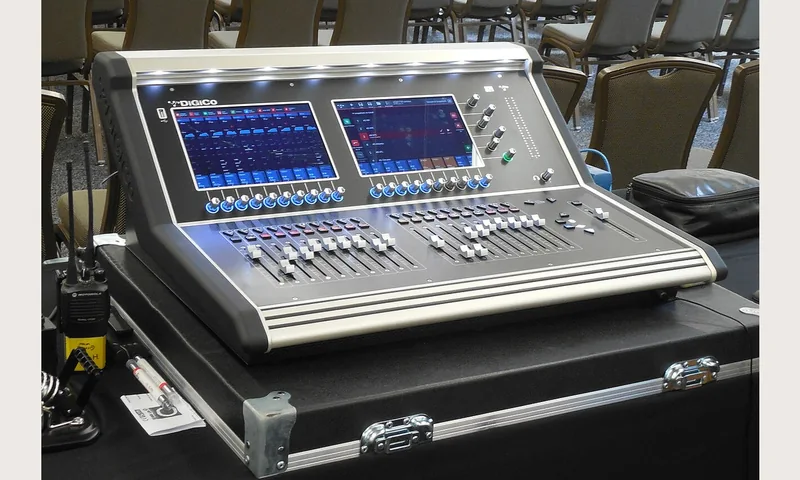
The short answer
A line check proves that the intended input reaches the intended mixer channel. Keep the PA low and test sources one at a time so that an accidental patch does not become a loud surprise.
What to do
- Label both ends of each lead with its source and channel. Mute unused channels and start with input gains down.
- Ask for one source at a time. Check the input meter, listen through headphones where available, and identify unexpected noise.
- Once each channel is verified, bring up the main system gradually and balance the performance at realistic playing intensity.
Prepare a channel list
Write the source, input number and destination for every microphone, instrument and playback device. Label both ends of the important cables. Confirm phantom-power requirements and connection types with the equipment instructions before enabling power. A short written list makes a missing channel easy to trace and gives everyone the same names when communicating during setup.
Check one source at a time
Start with outputs low and test each input using a realistic signal. Confirm the meter and listen through the appropriate monitoring path. Check that the signal reaches its intended main, monitor and recording destinations without appearing where it should not. A meter alone does not prove the audience hears the correct channel or that the patch is free of noise.
Then build the performance balance
After every line works, ask performers to play representative material at performance level. Adjust gain and balance while preserving headroom. Mark any changes to the patch and recheck critical microphones before doors open. A line check confirms connections; the soundcheck establishes how those working sources combine in the room. Keep the two tasks distinct so faults do not get hidden by mixing.
Check the result
Write down any swapped cable or failed input. Repeat the affected channel after the repair and keep the final patch list by the mixer.
Know the limits
A line check does not establish audience coverage or feedback margin. Those belong to the soundcheck that follows.
Further reading
Sources for the connections and technical principles discussed above. The diagnostic sequences are our editorial explanation. Consult the manual for your exact model before changing hardware or settings.
These are general educational guides, not hands-on product reviews. How we prepare our content. Cover photo source & license.
Keep working on your setup
Connect a DJ controller to powered speakers
Match output type, input sensitivity and cable length.
Read the guide
Check a stereo mix for mono playback
Listen for cancellation before the event.
Read the guide
Set mixer input gain without clipping
Establish headroom before moving channel faders.
Read the guide