Route stage cables without creating trip hazards
Keep paths visible and connections unstressed.
The short answer
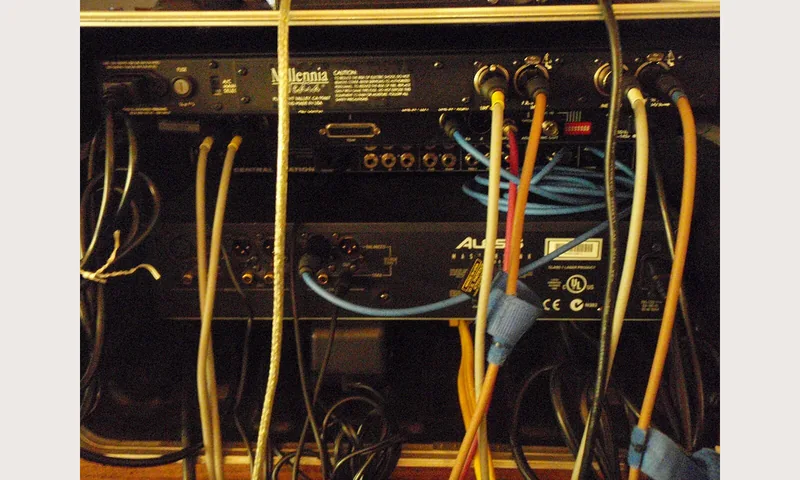
Cable planning starts with where people walk. A neat-looking bundle is not safe if it crosses an exit or pulls on a connector.
What to do
- Place equipment so leads can follow the stage edge where practical. Keep exits and access routes clear.
- Use suitable cable covers where people must cross. Secure runs with venue-approved methods and leave strain relief at connectors.
- Check stands, plugs and loops after performers take their positions. Keep drinks away from electrical equipment.
Plan traffic before laying cables
Identify performer entrances, audience routes, equipment access and emergency exits with the venue team. Route cables around those paths where possible. Keep connectors and power distribution away from spills and physical damage. Venue rules and qualified electrical supervision take priority over a convenient audio route, especially where the installation involves public access or temporary mains power.
Use suitable protection at crossings
Where a crossing is unavoidable, use a cable cover appropriate to the traffic and venue. Tape alone may not protect a cable from wheels or repeated foot traffic. Secure signal leads without crushing them and avoid loops that catch feet. Leave controlled slack at equipment so a small movement does not pull a stand or connector over.
Inspect after the stage is complete
Walk the normal routes with the performers and venue contact. Check chair positions, pedalboards and microphone-stand movement, not just the empty floor. Make sure labels remain readable and emergency access stays clear. Reinspect after equipment changes and remove damaged cables from use. Do not treat this audio setup checklist as a substitute for the venue safety assessment.
Check the result
Walk the route under show lighting and inspect it again after setup changes. Remove damaged leads from use.
Know the limits
Do not improvise mains repairs, overload outlets or defeat protective earth connections. Follow venue rules and use qualified electrical help when needed.
Further reading
Sources for the connections and technical principles discussed above. The diagnostic sequences are our editorial explanation. Consult the manual for your exact model before changing hardware or settings.
These are general educational guides, not hands-on product reviews. How we prepare our content. Cover photo source & license.
Keep working on your setup
Run a line check before a soundcheck
Confirm every source before balancing the band.
Read the guide
Position speakers for a small-room performance
Aim at listeners while limiting microphone spill.
Read the guide
Plan backup playback for a small event
Make recovery possible without your main computer.
Read the guide