Mark mixer channels so a substitute engineer can follow them
Create a useful input list before soundcheck.
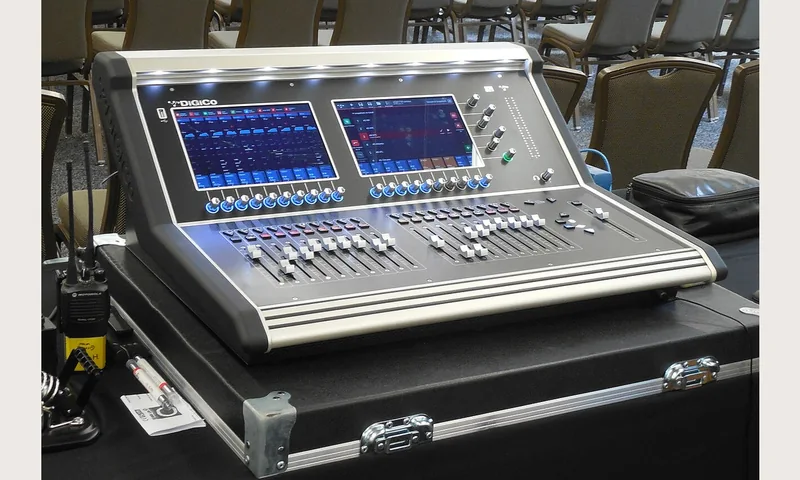
The short answer
A channel label should describe the source and match the patch list. Write clear names before performers arrive, then verify each label against the actual cable and microphone during the line check.
What to do
- List each source with its stage position and connector
- Assign mixer channels in a consistent order
- Label accessible cable ends and mixer strips without covering controls or vents
- Ask for one source at a time and correct the list immediately
Make the spare visible
Include unused spare inputs and any playback channel in the list. A substitute engineer needs to know where the signal enters and what feeds the monitors, not just the band's preferred nickname. Keep a dated paper copy or an offline file near the mixer.
Check the result
Another person should be able to identify every active input without asking which microphone you mean.
Know the limits
Labels do not replace checking electrical compatibility or phantom-power requirements. Do not attach tape to a hot, fragile or moving surface.
Further reading
Sources for the connections and technical principles discussed above. The diagnostic sequences are our editorial explanation. Consult the manual for your exact model before changing hardware or settings.
These are general educational guides, not hands-on product reviews. How we prepare our content. Cover photo source & license.
Keep working on your setup
Check a mixer mute group before opening the PA
Confirm which channels a mute group affects.
Read the guide
Check an auxiliary send that feeds no monitor sound
Trace a silent stage-monitor send from input to loudspeaker.
Read the guide
Prevent a playback laptop alert from reaching the PA
Prepare an event computer for deliberate playback.
Read the guide